














































Bipolar disorder is a chronic mental illness characterized by extreme, unpredictable shifts in your mood, energy and behaviors. Everyone who has bipolar disorder experiences mania--episodes of irregularly irritable or elevated moods that last more than one week. You may or may not experience depression. In addition to treatment, which typically involves medications and psychotherapy, a healthy diet may help manage physical and emotional aspects of the disease.
Function
A bipolar disorder-friendly diet promotes your overall health by providing sufficient amounts of calories and nutrients, emphasizing foods and eating behaviors that promote emotional wellness and limiting those that may exacerbate your symptoms. Since many medications used to treat bipolar disorder lead to weight gain, author of "Bipolar Disorder: Insights for Recovery" Jane Mountain recommends a dietary lifestyle that promotes healthy weight management.
Helpful Foods
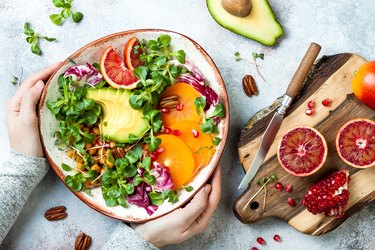
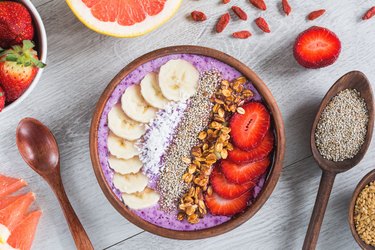
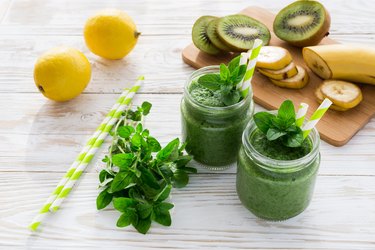
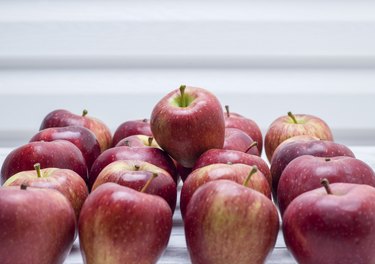
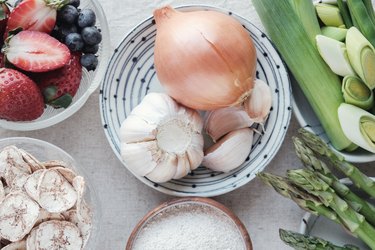
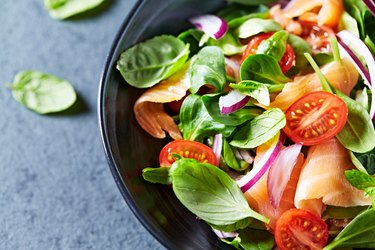
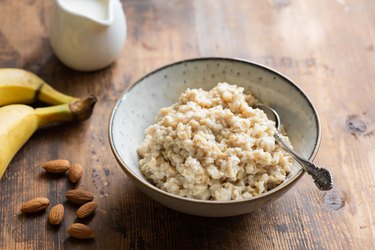
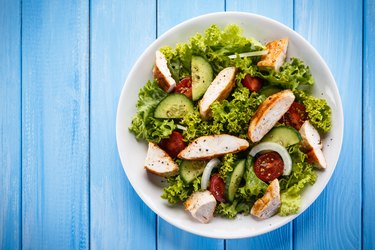
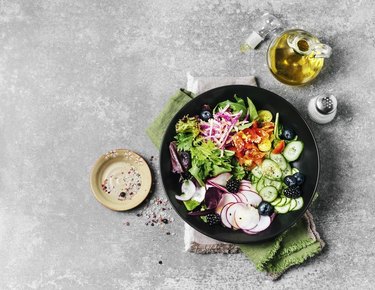
Your diet should include healthy choices from all essential food groups, including fruits and vegetables, whole grains, lean protein sources and healthy fats. Though additional research is needed omega-3 fatty acids, prevalent in fatty fish, such as salmon, tuna, halibut, flounder and sardines, may improve brain function and lead to fewer mood swings and relapses associated with bipolar disorder, according to the University of Maryland Medical Center. Additional healthy fat sources include nuts, seeds, olive oil, canola oil and avocados can be beneficial. Complex carbohydrates, such as whole grains and starchy vegetables, provide rich amounts of nutrients and fiber. As low-glycemic foods, meaning they have a mild impact on your blood sugar levels, complex carbohydrates may improve your moods, energy levels and appetite control. Fruits and vegetables are prime sources of antioxidants, which help your body defend itself from infections and diseases, which may exacerbate bipolar disorder symptoms.
Foods to Avoid
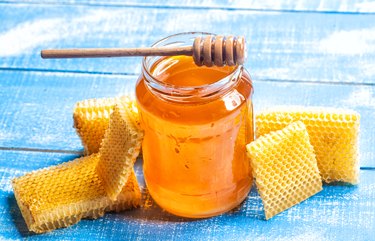
While most any food can fit within a diet for bipolar disorder in appropriate amounts, particular foods may increase your risk for physical and emotional complications. Food allergies and intolerance may contribute to your symptoms. If you suspect a particular food or ingredient, such as dairy products or wheat, pose problems, seek proper testing from your doctor or dietitian. Foods high in added sugars, such as corn syrup, cane sugar, honey, rice syrup or dextrose, and refined flour products may disrupt your blood sugar levels and moods. Limiting foods high in saturated fat, such as red meat, processed meats, high-fat cheeses and fried foods, can help keep your blood pressure and cholesterol levels in check and reduce your risk for excessive weight gain. Limit or avoid alcohol and caffeine, which may cause or worsen mood and sleep difficulties.
Eating Habits
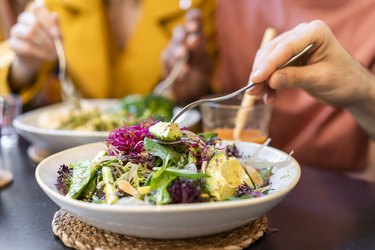
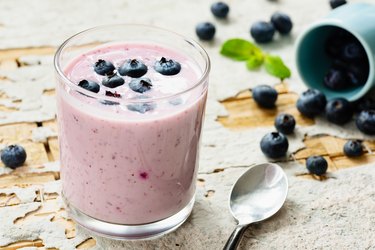
In addition to making healthy food choices, the way you eat can also influence your symptoms. Aim for balanced meals, containing complex carbohydrates and lean protein, at regular time intervals throughout each day for improved emotional stability. If a lengthy break falls between your meals, consume a similarly balanced snack. Your diet should also provide energy to fuel regular physical activity, which can further benefit your weight, cardiovascular health and emotional well-being. Maintain proper fluid intake, in the form of water, low-fat milk, fresh fruit, broth-based soups and herbal tea, to prevent dehydration--a risk-factor for depression.
References
- American Psychological Association: Bipolar Disorder
- "Bipolar Disorder: Insights for Recovery"; Jane Mountain; 2003
- University of Maryland Medical Center: Omega-3 Fatty Acids


Member Comments