




















































Cancer patients are at risk for developing several nutritional deficiencies due to the disease itself, or side effects associated with cancer treatment. A high-protein diet may be recommended for patients to support nutrition, promote a health weight and prevent muscle-wasting. Your calorie and protein requirements will vary based on various factors such as activity level and weight; therefore, it is recommended you consult a registered dietitian for your specific nutritional requirements.
Meats and Fish
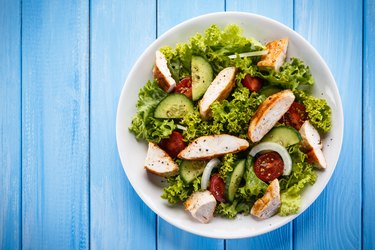
Meat provides one of the highest sources of protein found in food. Some examples of high-protein meat include beef, chicken, turkey and lamb. Seafood and fatty fish such as shrimp, tuna, salmon and cod also provide sources of protein. Make sure all meat and fish products are thoroughly cooked and do not consume them raw. Raw foods are not recommended for individuals who are immune-suppressed. Meat and fish can be enjoyed as a main course in any dish or diced then added to various sauces, soups and casseroles to increase protein content.
Eggs and Dairy Products
Dairy products are another versatile high-protein food that cancer patients can enjoy daily. Dairy products include milk, cheese, cottage cheese, cream cheese and yogurt. One ounce of cheese provides 7 g of protein, and can be consumed as a snack or added to sandwiches or soups. You can also add powdered milk, which provides 3 g of protein per tablespoon, to various desserts and beverages to increase protein. Eggs and egg whites are also great sources of protein; however, do not consume raw eggs.
Legumes and Nuts
Legumes, nuts and seeds provide a good vegetarian source of protein. Legumes include various dried beans and peas. Some high-protein nuts include walnuts, almonds, cashews and pistachios. Peanut butter is a high-protein food that can be added to almost any dish such as toast, crackers and fruit. One tablespoon of peanut butter provides 4 g of protein. In addition to protein, beans, nuts and seeds also provide dietary fiber, vitamins and minerals.
Nutrition Supplements
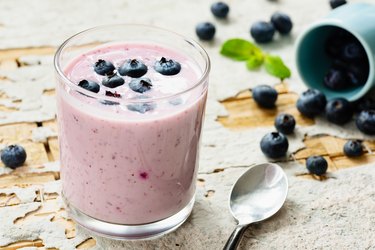
Dietary supplements should not take the place of proper nutrition and should only be used under the supervision of your health care provider. Your doctor may recommended several commercially available high-protein supplements. These supplements may come in liquid or powder form and should be enjoyed in between meals as a high-protein snack. You can also make your own high-protein shake by blending several food items such as powdered milk, creams, fruit and peanut butter.


Member Comments