






Bloating can cause your stomach to become swollen, giving you the appearance of belly fat that isn't really there. It can be difficult to determine if an increase in your stomach size is caused by fat or bloating. If you have other symptoms of bloating, such as gas, upset stomach or a change in bowel habits, you may be able to reduce the swelling with a few lifestyle changes.
Appearance
If your belly looks tight and swollen, you may be suffering from bloating and not an increase in belly fat. Bloating can cause the size of your stomach to change throughout the day, whereas fat comes on slowly. If your stomach appears full and tight all day, and not just after meals, you are probably experiencing bloating.
Causes
Bloating that causes your stomach to look fat could be caused by a variety of factors. Gastrointestinal disorders such as irritable bowel syndrome often lead to stomach bloating by disrupting the digestive process and increasing the amount of gas in your stomach and intestines. Taking in extra air by chewing gum can also lead to bloating. Consuming large meals, especially meals full of fatty foods, can result in bloating. Bloating can also be a sign of a food sensitivity, such as lactose or gluten intolerance.
Treatments
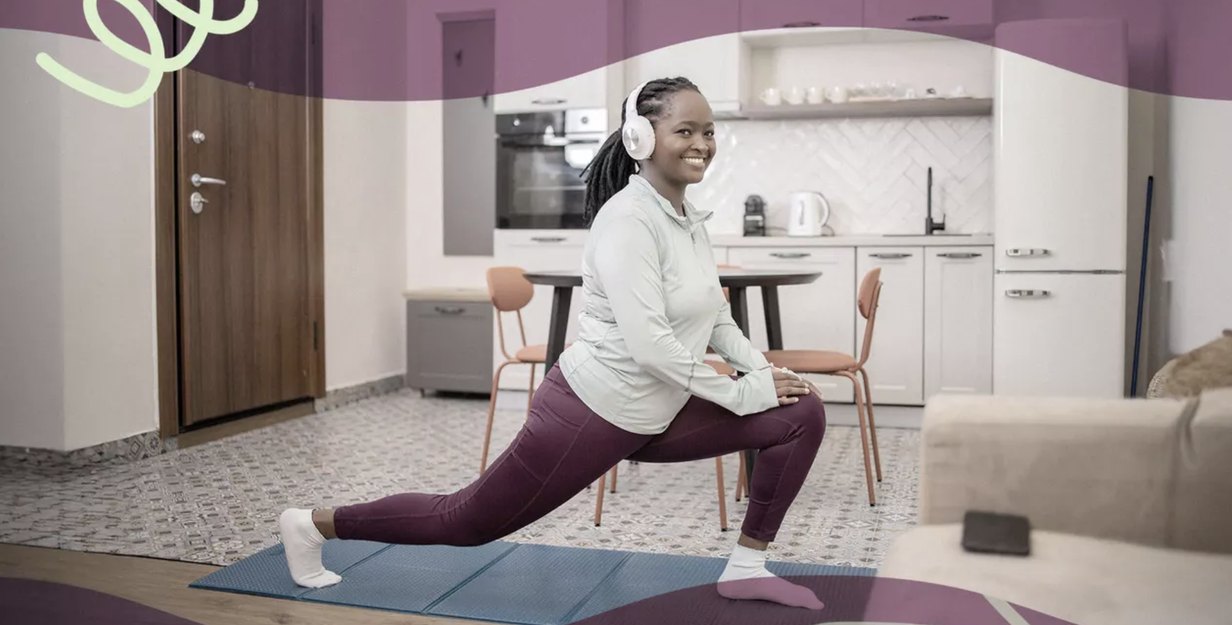
If you have IBS or Chron's disease, your doctor may be able to help you control your bloating with prescription medications or lifestyle changes. Stress can also trigger gas and bloating. Taking a yoga class or practicing meditation may help you combat stress-induced stomach bloating. For quick relief, try drinking a cup of hot fennel tea when you are experiencing stomach bloating, suggests "Reader's Digest." Fennel tea may relax your intestinal tract and reduce gas.
Prevention
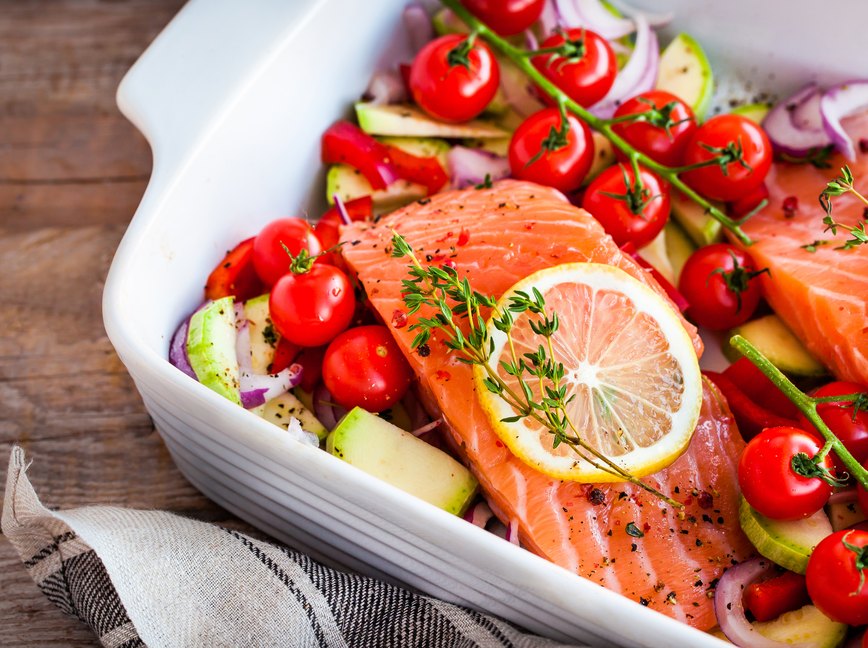
You can avoid bloating that looks like increased belly fat by making some changes to your diet. Drinking eight 8-oz. glasses of water per day can help reduce bloating, making your stomach look leaner and flatter. Cut back on salt in your diet to further reduce bloating. Avoid foods that cause intestinal gas, such as raw vegetables, especially cauliflower and brussels sprouts, cabbage, onions and peppers. Reduce your intake of carbonated beverages, alcohol and acidic drinks, such as coffee and tea, to prevent stomach irritation and bloating.


Member Comments