


































































Ovarian cancer is most common after menopause and it usually affects the surface layers of the ovary. Early symptoms may include bloating, abdominal pain, painful sex and constipation. Although the cause of ovarian cancer is unclear, it may have a genetic basis. Treatment usually involves surgical removal of the ovaries, but you may also need chemotherapy. Green tea may have anti-cancer properties and is sometimes included in cancer treatment programs. However, you should never use it in place of treatment prescribed by your doctor. Get medical advice before using it as a cancer treatment.
Properties and Administration
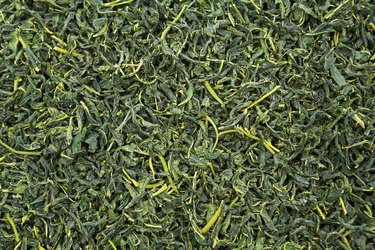
Green tea is a popular beverage made from the leaves of the Camellia sinensis plant and is also sometimes used as herbal remedy for a variety of ailments including hypertension, cardiovascular disease, obesity and cancer. Polyphenol compounds found in green tea may possess cancer fighting properties. You can take green tea as a beverage, or in capsules or tablets. The required dose may vary from person to person, so ask your doctor about the right dose for you.
Efficacy
Research carried out by M. Zhang and colleagues published in the November 2004 issue of the "International Journal of Cancer," shows that consuming green tea post-diagnosis may enhance survival from ovarian cancer. In addition, research by S.D Rao and K.Pagidas from the Alpert Medical School of Brown University, Rhode Island, shows that a green tea polyphenol, known as epigallocatechin-3-gallate, may induce ovarian cancer cell death. However, the study was carried out on human ovarian cancer cells in a test tube, not in women with the condition.
Side Effects and Contraindications
Green tea is likely safe for most people, but its caffeine content means that drinking more than 5 cups daily may cause side effects including headache, sleep problems, diarrhea, irritability, heartburn and confusion. It is not suitable for everyone; for example, you should not take green tea if you have glaucoma, diabetes or a heart condition. Green tea interacts with a host of other medicines including antibiotics, anticoagulants and lithium. It may also interact with boronic acid-based proteasome inhibitors like bortezomib, which is used to treat some cancers. Do not take green tea if you are being treated with this drug.
Other Supplements
The A.P. John Institute for Cancer Research website cites a number of other supplements that may help to support treatment of ovarian cancer, including vitamin D and selenium. Vitamin D may activate enzymes that inhibit cancer cell growth, while selenium may induce cancer cell death. Talk to your doctor before incorporating supplements into your cancer treatment program.
References
- BBC Health: Ovarian Cancer
- Memorial Sloan Kettering Cancer Center: Green Tea
- PubMed.gov: Green Tea Consumption Enhances Survival of Epithelial Ovarian Cancer
- PubMed.gov: Epigallocatechin-3-Gallate, a Natural Polyphenol, Inhibits Cell Proliferation and Induces Apoptosis in Human Ovarian Cancer Cells
- MedlinePlus: Green Tea
- A.P. John Institute for Cancer Research: Ovarian Cancer


