



























































Can Seaweed Help You Lose Weight?

Can Seaweed Help You Lose Weight?
Photo Credit seastar image by Jeroen de Haan from Fotolia.com

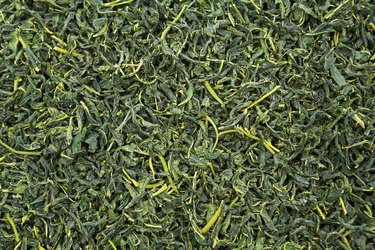
Seaweed, a food that has been a staple for centuries in the diets of many coastal cultures, provides a wealth of nutrients. In Asian countries, seaweed cultivation is a major industry. Seaweeds can be red, green or brown, with the latter two being the most commonly used for food. Many health benefits have been attributed to seaweed, including weight loss.

Wide Range of Effectiveness

An extract of seaweed, known as sodium alginate, suppresses appetite, according to a UK study published in the November 2008 "Appetite." Alginate, a polysaccharide, absorbs water to form a thick gel in the stomach. In the study, participants who consumed alginate consumed an average of 135 fewer calories per day. The calorie reduction included carbohydrates, sugar, fats and protein. Similar results were obtained for males and females, without regard for body mass index at the start of the study or time of day of alginate consumption, indicating a wide range of effectiveness of alginate for different types of people and under varying conditions.

Questionable

Alginate did not decrease appetite or calorie consumption in a U.S. study published in the August 2010 "Obesity" journal. Participants took alginate capsules 30 minutes before meals for 10 days. While alginate is thought to exert its effect, in part, by slowing the rate of food leaving the stomach, no effect on gastric emptying was observed, in the study. Additionally, digestive hormones and satiation were unaffected. The researchers concluded that alginate has questionable effectiveness for short-term weight loss.

Xanthigen

Xanthigen, a product made from brown marine algae combined with pomegranate seed oil, promotes weight loss, reduces body fat and liver fat and improves liver function in non-diabetic obese women, according to a Russian study published in the January 2010 "Diabetes, Obesity and Metabolism." In the 16-week study, in which participants consumed 600 mg Xanthigen per day, the researchers also noted significant reduction waist circumference, liver enzymes, triglycerides and C-reactive protein -- a measure of inflammation. The authors concluded that Xanthigen may be effective for the treatment of obesity.

Fucozanthin

Fucoxanthin -- a type of carotenoid compound -- was effective at reducing body fat mass in laboratory animals, according to a Korean study published in the September 2010 "Biotechnology Journal." After six weeks on a fucoxanthin-containing diet, the animals' blood levels of HDL -- the good cholesterol -- were higher and excretion of triglycerides and cholesterol were also elevated, indicating that fucoxanthin discourages absorption of fats from the diet.

References

Article reviewed by Helen Covington Last updated on: Jan 17, 2011

Must see: Photo Galleries

Member Comments