












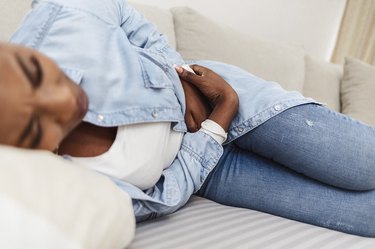




Everyone experiences anxiety from time to time, but if you have an anxiety disorder, you likely feel worried and tense most or all of the time. Although the cause of anxiety disorder is unclear, it may be caused by an imbalance in the levels of the neurotransmitters, serotonin and norepinephrine; genetic and environmental factors may also play a role. If you are suffering from anxiety, your doctor may suggest you to undergo counseling and you may be given anti-anxiety drugs to help you cope better. Kava is a an herb that is sometimes used to treat anxiety, although evidence to show it works is mixed. This herb should only be used under medical supervision as it may cause serious adverse effects.
Properties and Dosage
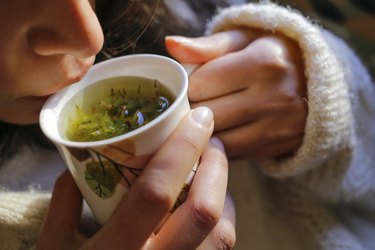
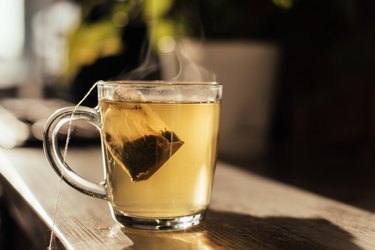
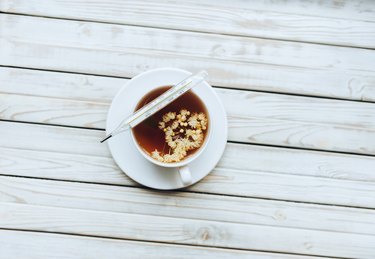
Kava, also known as Piper methysticum, is a member of the pepper family and is sometimes used as an alternative therapy for anxiety, stress, and insomnia. It contains compounds known as kavalactones, which may promote relaxation. Kava can be taken as tea or in capsules or tablets. The appropriate dose of kava may depend on your age and overall health. The University of Maryland Medical Center suggests taking 100mg to 200mg of kava two to four times daily for a few days only, but this is only a guideline. Ask your doctor what is right for you.
Efficacy
Clinical trial data to support the use of kava as an anti-anxiety treatment is mixed. An analysis of clinical trial data by M.H. Pittler and E. Ernst published in the 2003 "Cochrane Database of Systematic Reviews" notes that compared with placebo, kava extract is an effective symptomatic treatment option for anxiety. In contrast, the results of an internet-based randomized, placebo-controlled trial of kava by B.P. Jacobs et al., published in the July 2005 issue of "Medicine" show that kava is no more effective than placebo in relieving anxiety.
Side Effects and Contraindications
Kava may be unsafe. Even short-term use of low doses may cause serious side effects including liver damage. Avoid this herb if you are pregnant or breastfeeding, if you have liver disease or if you suffering from depression. It may interact with a number of other drugs including CNS depressants and medications modified by the liver. Do not take this herb except under medical supervision.
Other Herbal Options
Other herbs may help alleviate anxiety including valerian and passionflower. Although evidence to show valerian can relieve anxiety is mixed, passionflower may be as effective as the anti-anxiety drugs known as benzodiazepines, but more research is needed to confirm this. Get advice from your doctor whether these herbs are suitable for you and how much you need to take.


