






































A colon cleanse is a procedure that is said to eliminate toxins from the gastrointestinal tract. Proponents of the process offer up a variety of benefits afforded by introducing baking soda, herbs and other solutions into your intestines, from enhancing the immune system, easing constipation, promoting healthy bacteria and boosting energy. Baking soda is a type of salt than neutralizes and breaks down proteins. It is perfectly safe for certain first-aid purposes and as an antacid.
About Colon Cleanses
The primary purpose for a colon cleanse is to prepare for a medical procedure. Your doctor may recommend colonic irrigation prior to a colonoscopy. What your doctor shouldn't promote, according to Mayo Clinic gastroenterologist Dr. Michael Picco, is using a colon-cleansing product to detoxify your gastrointestinal tract. The notion that we need to eliminate toxins from our body is not a scientifically supported theory. In fact, our kidneys, liver and colon are designed to remove waste and bacteria quite well.
Baking Soda
Baking soda, which is sodium bicarbonate, has a variety of useful first aid and medical purposes. It can absorb and neutralize acids in the stomach and relieve intermittent and occasional heartburn and indigestion. Baking soda is also an effective odor reducer because of its ability to balance acids.
The Link Between Colon Cleanse and Baking Soda
The idea that baking soda could be an effective way to cleanse the colon stems from its ability to absorb odors, ease intestinal discomfort and possibly inhibit the progression of kidney disease. A 2009 study published in the "Journal of the American Society of Nephrology," analyzed 134 patients with advanced chronic kidney disease. One group was prescribed sodium bicarbonate along with routine care. The health of the patients, compared to those who did not take baking soda, declined more than 65 percent slower, which is similar to the normal rate of kidney decline in an aging population. The patients were also less likely to need dialysis for end-stage renal disease.
Alternatives
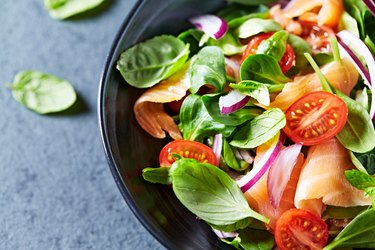
There are better ways to ease constipation and eliminate waste from your intestines than to insert a baking soda into your rectum. Dietary fiber is the indigestible portion of food. Soluble fiber absorbs liquids and helps ease bowel movements by softening the stool. Insoluble fiber adds bulk to your stools and helps it pass more quickly through your gut. Foods that are high in fiber include pears, broccoli, lentils, whole-wheat bread, nuts and seeds. Exercise can also help ease constipation by accelerating the speed of your breathing, increasing your heart rate, and jump-starting your other bodily systems. Exercise also strengthens the walls of the colon and increases blood flow to the gastrointestinal tract, resulting in stronger bowel contractions and more digestive enzymes.
Warnings
Interactions with baking soda can occur if you're taking anti-anxiety benzodiazepines like Valium or Xanax; aspirin, medications prescribed for treating diabetes, and the antibiotic tetracycline. Jackson Siegelbaum Gastroenterology in Pennsylvania suggests avoiding sodium bicarbonate if you have high blood pressure, heart disease, or edema -- a condition that causes fluids to accumulate in the body's tissues or cells. Colon cleanses also increase your risk of dehydration by raising your electrolyte levels. Before using a colon-cleansing product, even if it does contain a seemingly safe ingredient like baking soda, get clearance from your doctor ahead of time. He will review your medical history and be sure that the cleanse will not negatively interact with any medications you're on. Drink a lot of water during the cleanse to prevent dehydration.


Member Comments