












































Tumeric & Curcumin for Arthritis

Tumeric & Curcumin for Arthritis
Photo Credit Turmeric in White Bowl: 3 image by Leena Damle from Fotolia.com

For centuries, herbalists have used turmeric, and its active ingredient, curcumin, to treat different maladies, including arthritis. There are two types of arthritis; osteoarthritis and rheumatoid arthritis. Most people will have osteoarthritis by age 70. Rheumatoid arthritis, however, occurs in only a segment of the population. though researchers are still in the early stages of studying turmeric and curcumin's medicinal abilities, research appears promising. Always consult your doctor before using turmeric medicinally.

Turmeric

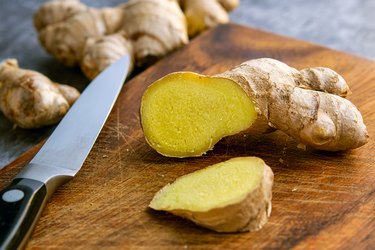
Turmeric is a perennial and a relative of ginger. It is most commonly known as the ingredient that gives Indian curries their strong bitter flavor and yellow color. They grow most often in the tropical climates of China, Asia and India. Curcumin, turmeric's active ingredient is a strong antioxidant, which helps neutralize hazardous free radicals before they can damage or destroy cells and interfere with cellular DNA.

Osteoarthritis

Symptoms of osteoarthritis often first occur around age 55. Osteoarthritis occurs due to normal wear and tear on joints, which causes pain and stiffness in them. You may also notice crackling when you move your joints. In addition, a rubbing or grating feeling may occur. People with osteoarthritis tend to feel the stiffness most in the mornings and notice improvement once they have been up and moving for approximately 30 minutes. There is no cure for osteoarthritis, but acetaminophen and nonsteroidal anti-inflammatories often help ease pain and swelling. Your physician may also recommend corticosteroid injections in the joints to reduce swelling and relieve pain.

Rheumatoid Arthritis

Unlike osteoarthritis, rheumatoid arthritis is a result of an immune disorder that causes the body to attack its own tissues. Rheumatoid arthritis most often occurs between the ages of 40 and 60 and is two to three times more likely to occur in women than in men. Symptoms of rheumatoid arthritis include joint pain and swelling, joints that are tender when touched, hands that are red and puffy, fever, weight loss, morning stiffness that lasts for hours, fatigue, and firm bumps under the skin of the arms known as rheumatoid nodules. Rheumatoid arthritis is often hard to diagnose early because symptoms mimic many other ailments. Physicians often look for an elevated erythrocyte sedimentation rate, or ESR, in blood tests as well as rheumatoid factor and anti-cyclic citrullinated peptide, or anti-CCP in laboratory blood tests. Treatments commonly include immunosuppressants, steroids, nonsteroidal anti-inflammatories, and specialized medications for rheumatoid arthritis. In some cases, patients may need surgical interventions.

The Science

The University of Maryland Medical Center explains that turmeric can reduce inflammation, which in turn can help relieve the symptoms of osteoarthritis. A study of people using a combination of herbs in combination with turmeric, boswellia, zinc and winter cherry to treat osteoarthritis pain and disability showed significant reduction in symptoms. However, because it was a combination study, it was difficult to tell which herb or plant provided the relief. Curcumin, the active ingredient in turmeric, has shown promise for relieving some of the symptoms associated with rheumatoid arthritis.

References

Article reviewed by Molly Solanki Last updated on: Feb 4, 2011

Must see: Photo Galleries

Member Comments