




Is Yoga Safe in Early Pregnancy?

Is Yoga Safe in Early Pregnancy?
Photo Credit Jupiterimages/Photos.com/Getty Images

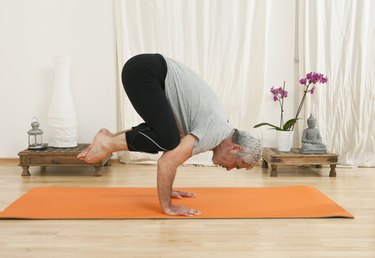
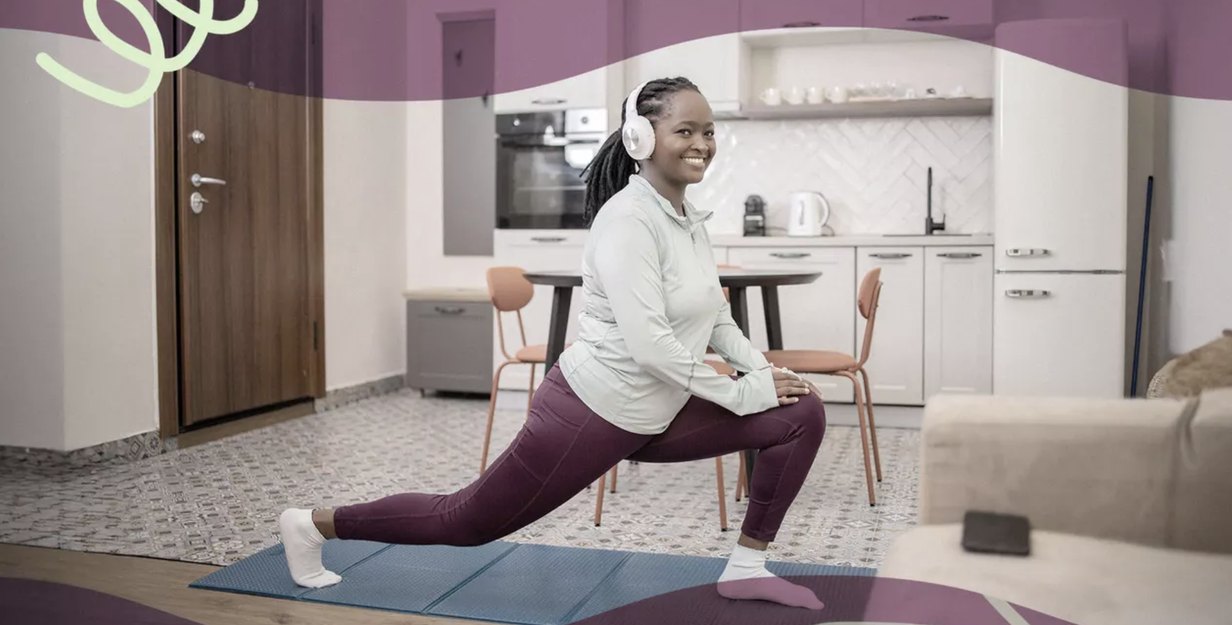
Most obstetricians, midwives and fitness professionals regard yoga as an ideal prenatal exercise. During pregnancy, yoga can help you maintain or increase muscular strength, endurance and flexibility. Its deep-breathing techniques promote better circulation and reduced stress, and certain poses alleviate lower back pain. Whether you’ve been practicing yoga for years or plan to start in your first trimester, taking a few precautions will keep the workout safe for you and your baby. Consult your health care provider prior to continuing or starting any prenatal exercise.

First Trimester

While there might not be many outward signs that you’re pregnant in your first trimester, your body is undergoing a number of changes that require you to take precautions during exercise. A substantial increase in the production of the hormone relaxin loosens your muscles and connective tissues in preparation for childbirth.
Consequently, it’s easier to overextend yourself in any type of flexibility training, which could lead to injury. In addition, your blood pressure is lower due to increased blood volume, and you may feel fatigued or nauseous sometimes or most of the time. Prenatal or hatha yoga, both of which are gentle forms of yoga training, are ideal during pregnancy because they’re more restorative.

Beneficial Poses

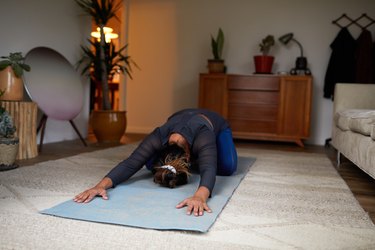
Cat-cow pose, which alternately stretches your lower back and gently strengthens your abdominal muscles, is a beneficial pose in every trimester. Child’s pose is another way to stretch your lower back as well as your mid-back, shoulders, glutes and quadriceps.
As your belly starts to grow in the second trimester, you can modify Child's pose by widening your knees and supporting your upper body with a balance ball. Revolved Head-of-the-Knee pose and Marichi's pose help improve posture while alleviating lower back aches, while poses such as Wide-angle Seated Forward Bend and Bound Angle pose are helpful hip-openers.

Contraindications

While you can lie on your back in the first trimester, you should avoid it from the second trimester on, because it restricts blood flow to the uterus. You may choose to avoid the position in early pregnancy as well, opting instead to lie on your side with a rolled blanket between your knees for supine relaxation poses. Avoid Boat pose, which can be overly strenuous for your abdominal region.
Also steer clear of poses that require you to twist from your abdomen rather than from your chest, because they put pressure on your abdominal cavity and your uterus. Examples include Revolved Triangle pose and Revolved Side Angle pose. Don’t practice inverted poses in any trimester, because they direct blood flow away from your uterus.

Precautions

Avoid Bikram, or hot room, yoga because it poses too great a risk of increasing your core temperature to dangerous levels for your fetus. Also steer clear of the more vigorous ashtanga or vinyasa flow classes, unless you’re already an advanced practitioner of either. If you have the opportunity to attend group prenatal yoga classes, you’ll experience a workout that’s designed specifically for you from the first trimester through postpartum recovery. Otherwise, try a hatha class, or talk to your instructor to find out if she can give you modifications when necessary.

References

Article reviewed by Lauren Fritsky Last updated on: Apr 29, 2012

Must see: Photo Galleries