


























Can You Have Too Much Hibiscus Tea?

Can You Have Too Much Hibiscus Tea?
Photo Credit Jupiterimages/Comstock/Getty Images

The hibiscus herb, or Hibiscus sabdariffa, though native to Central and West Africa, grows in many tropical and subtropical parts of the world. Among its purported health benefits, hibiscus tea may help prevent heart disease. No official maximum safe dosages of this herbal tea exist. However, based on scientific observations, moderate amounts of hibiscus tea and its compounds are considered generally safe and nontoxic. Consult your doctor before drinking hibiscus tea.

Hibiscus Tea

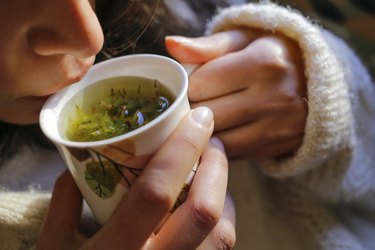
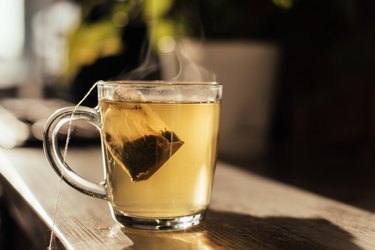
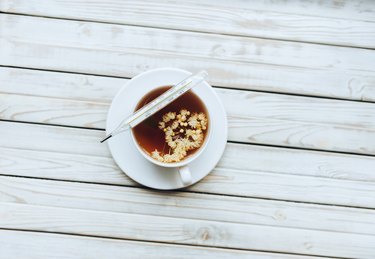
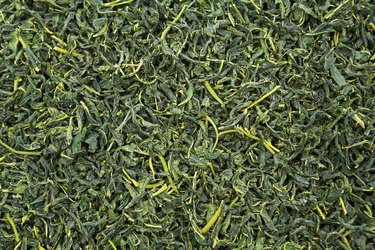
The hibiscus plant's prized red or pink flowers grow on plants that can be 5-feet-tall. They are used to make jams, jellies, sauces and teas. For years, hibiscus has been used in folk medicine to treat ailments including constipation, nerve disorders and cancer. Hibiscus tea contains natural plant substances called polyphenols, including anthocyanins -- natural antioxidants that may help neutralize disease-causing free radicals in the body and inhibit inflammation. In addition, a cup of this tea provides vitamin C and other healthy components. Common names for this tea include red sorrel and roselle tea. Hibiscus tea can be served warm or cold and can be consumed alone or mixed with other herbs, such as in the popular brand-name blend Red Zinger.

Evidence

An article published in the May 2005 edition of the journal "Phytotherapy Research" on the properties of hibiscus reports that hibiscus and its compounds are low in toxicity and may potentially be used for therapeutic purposes. Hibiscus extracts demonstrated strong antioxidant properties and -- among other benefits -- reduced pain, cholesterol and fever in animal subjects. In addition, a February 2009 article published in "Internal Medicine News" cites an observation of the effects of hibiscus tea on 65 mildly hypertensive or prehypertensive adults. Participants drank three 8 oz cups of hibiscus tea daily for six weeks. Researchers determined hibiscus tea lowered systolic blood pressure as well as one antihypertensive drug -- without side effects. However, more scientific evidence is needed to conclusively prove the effectiveness of hibiscus and its extracts for the treatment of any condition or disease.

Safety

While generally considered safe, hibiscus tea and other herbal products may pose some health risks. For instance, pregnant women should not drink hibiscus tea due to its stimulating effects on the uterus, according to the website Baby Center. In addition, one observational report suggests that prolonged, excessive doses of hibiscus plant extracts may harm the testes of rats, which may indicate potential adverse fertility effects in men. Though no official safe dosage exists, the University of Maryland Medical Center recommends drinking 1 cup daily of 2 tbsp. of dried hibiscus in 1 cup of water, based on an observational study. Although believed safe, drink hibiscus tea under the advice of your doctor.

Side Effects

Hibiscus tea may produce undesirable side effects in some people. For instance, those allergic to hibiscus or other plants in the Malvaceae family may experience skin rashes or hives. The blood pressure-altering effects of hibiscus tea may adversely affect patients with low blood pressure or on low blood pressure medication. Also, hibiscus tea may have estrogenic actions and those on hormone replacement therapy or taking birth control pills should be cautious. In addition, hibiscus tea may interfere with anti-inflammatory drugs such as acetaminophen. The Wellness website recommends a two hour waiting period between your intake of hibiscus tea and anti-inflammatory agents. Drink hibiscus tea only after consulting your doctor.

References

Article reviewed by GlennK Last updated on: Mar 28, 2011

Must see: Photo Galleries

Member Comments