





































MRSA is a bacterial infection that is caused by Staphylococcus aureus, an antibiotic-resistant strain of staphylococcus. MRSA affects the skin primarily. It is often referred to as a flesh-eating bacterium and can be life-threatening if left untreated. Certain herbal remedies may be used to slow down the spread of MRSA, speeding the individual's recover. However, herbs can cause side effects, so it is important to consult a health practitioner familiar with both herbal treatments and caring for MRSA patients. Do not self-treat MRSA with herbal medicine.
Description
MRSA causes cellulitis, an infection of the skin that may destroy both skin and underlying muscles and tendons. It spreads rapidly throughout the bloodstream and resists treatment by most common antibiotics. MRSA can appear first in a boil or break in the skin that becomes red and painful to touch. There may be red lines extending away from the main portion of the infection, indicating the beginning of blood poisoning, which requires immediate medical attention. MRSA can affect any organ of the body. Two types of MRSA are most common: one is mostly prevalent in hospital settings, and the other is common in community settings. If you suspect you have MRSA, see your health practitioner immediately.
Pau D'Arco Tea
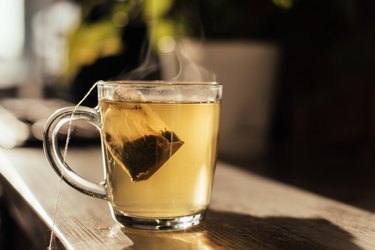
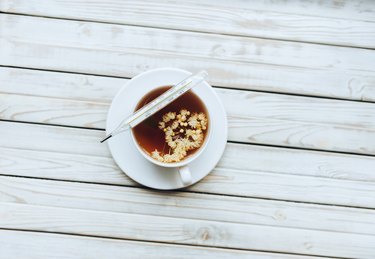
Pau d'arco is an herb native to South America reputed to enhance the immune system. Pau d'arco contains the active ingredient lapachol, which may be helpful in relieving symptoms from a variety of infections and other immune system problems. Anecdotal evidence indicates pau d'arco has antimicrobial, antiviral and antifungal properties, which may eradicate various diseases, including MRSA, according to the University of Colorado at Denver. It is best taken as tea or a decoction by boiling 1 tsp. of the dried herb in a cup of water for five minutes. Lower the heat and simmer for another 15 minutes. Strain and allow the tea to cool. Drink a cup of pau d'arco tea five to eight times daily, depending on what your practitioner suggests. Avoid this tea if you are nursing or pregnant. It may thin the blood, so consult your health practitioner first before using if you take blood thinners.
Hochu-ekki-to
Hochu-ekki-to is an herbal mixture from Japan used to treat MRSA, according to MedlinePlus. The mixture contains several herbs, particularly ginseng, which is a well-known immune system stimulant. MedlinePlus notes that after a using hochu-ekki-to for a 10-week period, patients suffering from MRSA in the urinary tract showed a marked reduction of symptoms. More research is necessary to substantiate these claims. Hochu-ekki-to may produce side effects. Consult a doctor of Asian medicine for guidelines pertaining to dosing. Do not self-treat with this herbal tonic.
Echinacea
Echinacea has been used for centuries as an immune system enhancer and for fighting infections of all kinds, according to the University of Maryland Medical Center. It was traditionally used for the treatment of wounds, open sores, blood poisoning, diphtheria and other bacterial-related diseases, such as syphilitic lesions, adds UMMC. Today, echinacea is primarily used for the treatment of colds and flu; however, anecdotal evidence from years of effective herbal treatment indicates it has various healing properties that may make it effective for the treatment of MRSA.
Echinacea is commonly used as a standardized extract and is also available as an ointment for topical skin problems such as boils and sores caused by MRSA. Early treatment is necessary to stop MRSA from spreading. You should not self-treat if you think you have MRSA. Echinacea is ordinarily considered safe, but it may produce allergic skin symptoms in the form of a rash. If symptoms develop, stop using it. Do not use echinacea if you take immunosuppressive drugs. Contact your health practitioner for dosing guidelines.
References
- University of Maryland Medical Center: MRSA Treatment
- University of Maryland Medical Center: Echinacea
- University of Maryland Medical Center: Cellulitis
- "Phytomedicine"; Bactericidal and Anti-Inflammatory Properties of a Standardized Echinacea Extract (Echinaforce): Dual Actions Against Respiratory Bacteria; S.M. Sharma; July 2010
- Paudarco.org: Pau d'Arco Benefits
- MedlinePlus: Ginseng


