























The Coloring in Food and Hyperactivity

The Coloring in Food and Hyperactivity
Photo Credit three chocolate frosted cupcakes on a blue plate with "happy bir image by David Smith from Fotolia.com

People with attention deficit hyperactivity disorder (ADHD) are often imaginative, sensitive, passionate people. If your symptoms are severe and left untreated, however, hyperactivity, impulsivity and/or an inability to focus may interfere with your work, school and home life. ADHD is one of the most common neurobehavioral disorders among children, according to the Centers for Disease Control and Prevention. It also affects adults. In addition to behavioral changes, counseling and medications, a healthy diet may help reduce symptoms. Conversely, artificial food coloring is one culprit that may worsen hyperactivity.

Theories

One of the most popular diets geared toward managing ADHD was developed by Dr. Ben Feingold in the 1970s. It abides by the notion that artificial food preservatives, sweeteners and colorings contribute to children's ADHD symptoms. The diet also limits various fruits and vegetables initially. Since then, an increasing number of researchers have shown that food colorings and preservatives may trigger or worsen hyperactivity in some children, according to MayoClinic.com child psychiatrist, Dr. John E. Huxsahl.

Types

Artificial food additives that may contribute to hyperactive behavior include FD&C Yellow No. 6, or "sunset yellow," FD&C Yellow No. 5, or "tartrazine," D&C Yellow No. 10, or "quinoline yellow," and FD&C Red No. 40, or "allura red." The preservative sodium benzoate may also contribute. Determining which additives are problematic is difficult, according to Huxsahl, because studies have typically measured them collectively. Common sources of the colorful additives include soft drinks, artificial fruit drinks, red and yellow cake mixes, sugary breakfast cereals, store-bought barbecue sauce, popsicles, colored gelatin and commercially prepared cakes and cookies.

Evidence

Although research is ongoing and somewhat limited, a study published in "Psychiatric News" in Nov. 2007 showed a positive link between food coloring and increased hyperactivity. Researchers at the University of Southampton in England tested common food coloring agents in two groups of children. One group consisted of 153 3-year-old children. The other consisted of 144 8- and 9-year-olds. For six weeks, the children consumed fruit juice either containing or not containing additives. Those children who consumed the artificially colored beverages consistently demonstrated more hyperactive behavior than the children who drank the placebo beverage, which had little impact.

Suggestions

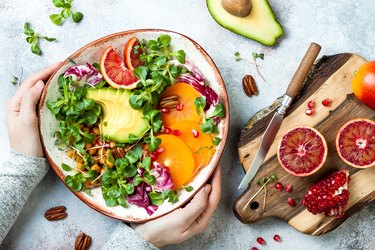
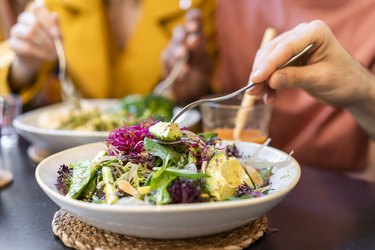
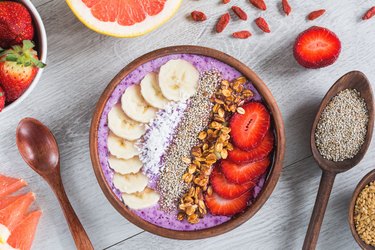
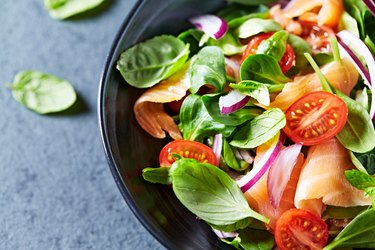
If you or your child is prone to hyperactive behavior, cutting back on artificially colored food may prove useful. Replace prepared cakes and cookies with homemade, naturally flavored baked goods or more nutritious fare. Huxsahl recommends a diet limited in highly processed and sugary foods and rich in whole grains, fruits, vegetables and omega-3 fatty acids, which play an important role in brain function. Valuable sources of omega-3s include ground flaxseed, walnuts, canola oil and fatty fish, such as salmon, mackerel, herring, trout, sardines, flounder and halibut. Discuss major dietary changes and food elimination with your doctor, because a highly restrictive diet can also pose harm.

References

Article reviewed by Brigitte Espinet Last updated on: Apr 3, 2011

Must see: Photo Galleries