
















































Which Herbs & Spices Are the Most Helpful to Our Immune System?

Which Herbs & Spices Are the Most Helpful to Our Immune System?
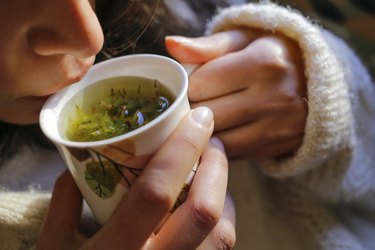
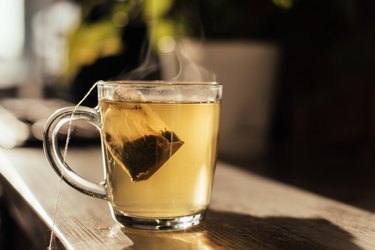
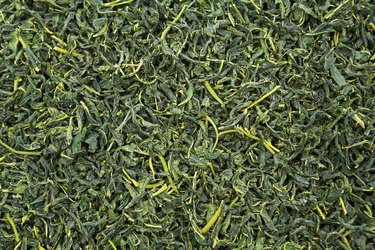
Photo Credit Green tea image by huaxiadragon from Fotolia.com

The immune system is a complex arrangement of cells, organs and tissues that defend the body from pathogens. A healthy immune system, which includes the spleen, the thymus and white blood cells, is the body's first barrier against disease. Tonic herbs and spices can be taken daily and are an effective way to rejuvenate the body's defenses. Included in this category are green tea, astragalus and licorice root. Talk with your doctor before taking any herb.

Adaptogenic Herbs

Adaptogens are bioactive constituents found in plants that help to balance and normalize the body. Astragalus, shatavari, licorice, reishi and Asian ginseng are included in this classification. Adaptogens have the ability to produce specialized cells that support the immune system, such as B cells and helper T cells, according to the book, "Adaptogens: Herbs for Strength, Stamina and Stress Relief." Consuming adaptogenic herbs naturally stimulates and strengthens the body's ability to resist pathogens and to recover from chronic stress. Ask your doctor what herbs would be appropriate for you.

Traditional Chinese Herbal Tonics

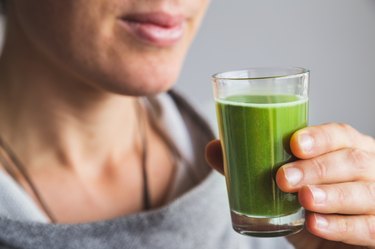
Astragalus root, schisandra and dan shen are three of the leading tonic herbs in Traditional Chinese Medicine. Chinese practitioners recommend astragalus for increased vitality, protection against viruses and improved lung function, note the authors of "Winston and Kuhn's Herbal Therapy and Supplements: A Scientific and Traditional Approach." Schisandra is another restorative adaptogen that is often prescribed for fatigue, depression and stress. Dan shen root is renowned for its antioxidant and anti-inflammatory properties. Another excellent and gentle tonic is green tea, which contains potent antioxidants. Use herbs under the supervision of a qualified health care professional.

Ayurvedic Herbs for Immunity

Ayurveda is the medical system of ancient India, which is still widely practiced in southeast Asia and around the world. Ashwagandha, amalaki, shatavari and turmeric root are frequently recommended by Ayurvedic practitioners to invigorate and restore the immune system. Turmeric root, a popular spice in Asian cooking, has anti-inflammatory, antifungal and antioxidant qualities. David Frawley, author of "Ayurvedic Health: A Comprehensive Guide," suggests making a tonic by cooking powdered ashwagandha or shatavari in raw milk and adding a small amount of clarified butter or raw sugar. Consult a doctor before adding herbs to your regimen.

Risks and Considerations

While tonic herbs are generally safe, you should speak with your doctor before adding them to your diet. Large doses of turmeric, for example, can cause uterine bleeding and miscarriage. Licorice root is contraindicated if you have high blood pressure or are pregnant, and schisandra may cause a skin rash and upset stomach. If you have diabetes, check with your doctor before taking ginseng and astragalus, advises the book, "Complete Guide to Safe Herbs."

References

  • "Adaptogens: Herbs for Strength, Stamina and Stress Relief"; David Winston, et al.; 2007
  • "Ayurvedic Healing: A Comprehensive Guide"; David Frawley; 2000
  • Complete Guide to Safe Herbs"; Chris D. Meletis, N.D.; 2002
  • "Winston and Kuhn's Herbal Therapy and Supplements: A Scientific and Traditional Approach"; Merrily A. Kuhn, et al.; 2007
  • University of Maryland Medical Center: Turmeric

Article reviewed by GlennK Last updated on: Apr 29, 2011

Must see: Photo Galleries