






As toddlers leave infancy and their growth rate slows, their nutritional needs change significantly. Add to that the increasing reliance on solid foods for calories and nutrients and parents can sometimes be confused about exactly what, and precisely how much, a growing toddler should be eating. If you have some specific concern about your child's growth and eating patterns, talk to her pediatrician for recommendations about how to improve her diet.
Food Amounts
Toddlers need about 1,000 to 1,400 calories each day, but this number depends greatly on the exact age, height, weight and activity level of your little one. Some toddlers seem to subsist on little more than air, especially picky eaters who turn up their noses to most offerings. In general, if a toddler continues to grow in height and weight at a rate appropriate to his age and continues to meet his developmental milestones, he is probably getting enough calories throughout the day. Aim to offer a 2-year-old about 3 oz. of whole grains, 1 cup of vegetables, 1 cup of fruit, 2 cups of milk and 2 oz. of meat every day.
Nutrients
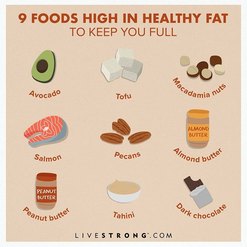
Certain nutrients are of particular concern during toddlerhood. Many toddlers do not get adequate calcium, which is found primarily in dairy products. Calcium-fortified juices, tofu, cereals and some green vegetables can also provide calcium. Toddlers need about 7 oz. of iron a day to prevent anemia. Meat, tofu, fish and enriched grains all provide iron. Too much milk, over about 16 to 24 oz. a day, can inhibit iron absorption, while foods with vitamin C enhance iron absorption. Toddlers under two still need a lot of fat, so provide full fat dairy products up until this age.
Breastfeeding Toddlers
Some mothers continue to breastfeed well into the toddler years, so their babies might not need to meet all of their nutritional needs through solid foods. Breastmilk is high in fat, protein and calcium, so a toddler who still nurses at least three to four times a day doesn't need to drink cow's milk for these nutrients. Some babies continue using breast milk as their primary source of calories and nutrients until 18 months of age or longer. Offering a variety of healthy foods in addition to breast milk can help ensure that your child continues to get enough of the nutrients she needs during the transition to solids.
Supplementation
Most toddlers do not need vitamin and mineral supplementation because they can easily obtain the nutrients they need through food. Some kids, however, are picky eaters or are not offered appropriate food choices throughout the day. If this is the case, a child-appropriate multivitamin might be necessary. Your doctor should recommend the type of supplementation your child needs. Do not give a toddler adult multivitamins, since these can be too high in some nutrients, such as iron, and could cause an overdose.