

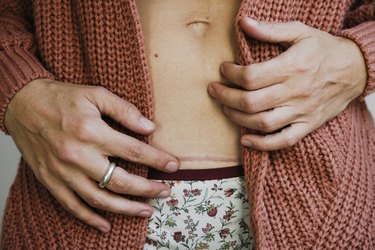

While pregnancy represents its own dietary challenges and restrictions, you also must watch your diet carefully after giving birth. If you are breastfeeding, you must take in enough calories and nutrients to support your baby's growth without eating foods known to upset baby's stomach. Your postpartum diet plan also should depend upon your physician's recommendation: your physician can help determine a healthy calorie intake that can help you meet your postpartum weight-loss goals.
Time Frame
Because your body needs time and calories to recover, wait at least 6 to 8 weeks before beginning to restrict calories to help you lose weight. Starting a diet too soon after giving birth, can affect your milk supply and energy levels. If you begin to restrict calories and feel fatigued, you may need to increase your calorie intake.
Make Small Meals a Habit
New moms are often fatigued when acclimating to their child's eating and sleeping schedule. Instead of eating three large meals per day after pregnancy, spacing these out can help keep your energy levels consistent. An example of a small meal might include one-half a turkey sandwich, carrot sticks, sliced apples and a glass of low-fat milk. Even though you are eating more frequently, if you keep the meals healthy, you won't consume more calories. If you are breastfeeding, aim to take in 2,300 to 2,500 calories per day or 1,800 to 2,000 calories per day if you are not.
Foods to Eat
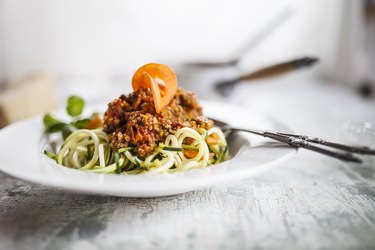
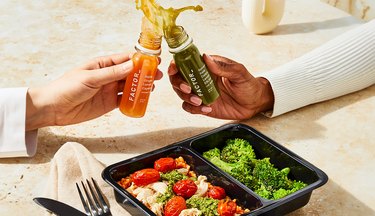
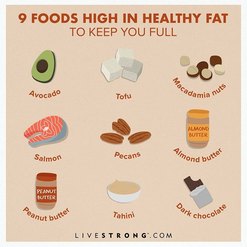
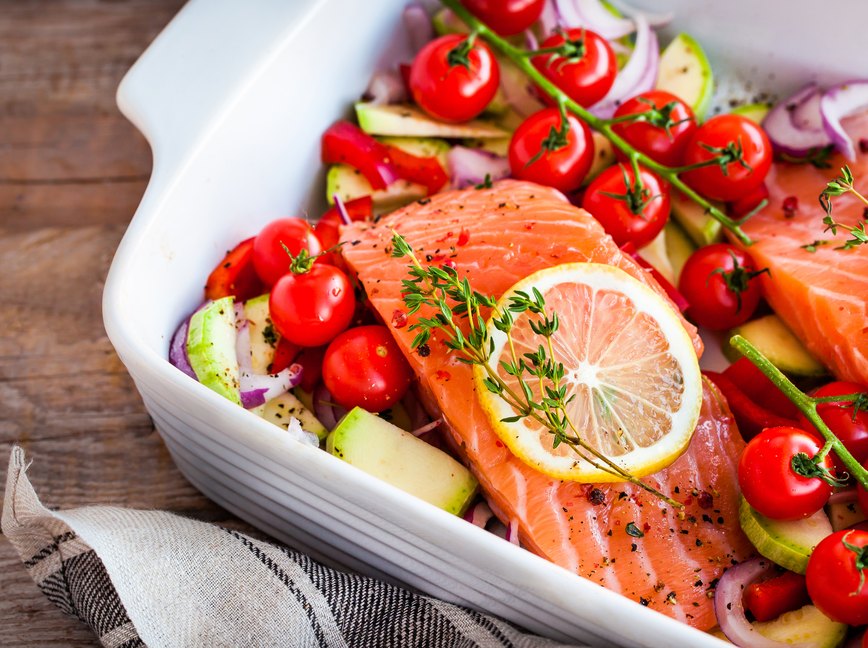
When determining your postpartum diet, make an effort to pack as many nutrients -- such as those from vegetables and fruits -- as possible. Start with healthy protein sources like salmon, nuts, seeds or skinless chicken. Pair these with fresh vegetables and fruits, which are low in calories yet have plenty of vitamins and minerals your baby needs when you are breastfeeding. Taking steps like grinding flaxseeds and adding them to yogurt or adding your favorite vegetables to soups can help. Avoid processed and/or refined foods whenever possible. Also, make eating calcium-rich foods a priority because your post-pregnancy diet should emphasize building strong bones. Examples of foods rich in calcium include dairy products like milk, yogurt, cottage cheese and cheeses made with skim milk.
Foods to Avoid
If you are breastfeeding, avoid drinking alcohol because it is secreted into your breast milk and your baby's organs are not developed enough to filter it. Also, your physician may recommend you vary your postpartum diet to see if eating certain foods -- like spicy foods, chocolate or caffeine-containing beverages -- contribute to stomach upset in your baby.


Member Comments