































































Will Lemons Cut Cholesterol?

Will Lemons Cut Cholesterol?
Photo Credit NA/Photos.com/Getty Images

Cholesterol is a fatty steroid produced by the liver and found in foods such as cheese, egg yolk, beef, chicken and shrimp. It plays an important role in the formation and maintenance of cellular membranes and in the production of bile in the gallbladder. There are two types of cholesterols -- HDL, or "good" cholesterol, and LDL, or "bad" cholesterol. Too much LDL or too little HDL may increase the risk of cardiovascular diseases. Along with diet and exercise, medications and dietary changes, lemons may help manage cholesterol levels in the blood.

About Lemon

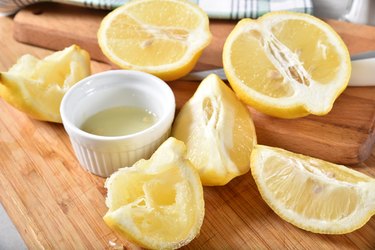
The oval, small and green to yellow fruits of the evergreen lemon, or Citrus limon, tree grow all around the year and its peel, pulp, juice and seeds are used to make a variety of products that have been used traditionally as an astringent, lotion, diuretic, gargle, antiseptic and tonic. It is also a powerful antioxidant with the ability to neutralize harmful free radicals formed as a result of various metabolic processes. The vitamin C, flavonoids and volatile oils of lemon are responsible for its biological activity. Clinical trials focusing on the dosage and most effective form of lemon are limited.

Link Between Lemon and Cholesterol

About 1 mL of lemon juice per kg of body weight per day significantly lowers the blood cholesterol levels in the laboratory animals, according to a study published in the January 2010 issue of the "Journal of Basic and Applied Sciences." The authors of the study suggest that this hypocholesterolemic effect of lemon juice is due to its antioxidant activity. Another study in the November/December 2006 issue of the "Journal of Food Science" also reveals that a flavonoid called eriocitrin found in lemon peel can lower the levels of cholesterol and other fats in the blood. The essential oils in lemon also have the ability to dissolve cholesterol and other fats in the body and promote its elimination from the body, says Alan Higley, author of the book "Reference Guide for Essential Oils."

Side Effects

Lemon and its products are generally safe to use, although they may erode the teeth enamel in some cases. Some individuals may also be allergic to lemon and may worsen acidity in some persons. Lemon may also increase the absorption of iron in the intestine.

Precautions

Always talk to a doctor before using lemon products to regulate cholesterol levels in the body. Note that most benefits of lemon have been demonstrated in laboratory animals only and not in actual clinical cases. Production of supplements is not regulated by the U.S. Food and Drug Administration, so quality and purity of these products can not be guaranteed.

References

Article reviewed by Libby Swope Wiersema Last updated on: Jun 7, 2011

Must see: Photo Galleries