






Caffeine is a drug that is found naturally in many sources, like tea leaves, coffee beans, kola nuts and cocoa, according to National Institutes of Health medical encyclopedia Medline Plus. This drug is readily available over the counter in pain medications and in foods and beverages. Most people react to caffeine by being stimulated, including increased alertness and energetic feelings. Some are susceptible to negative effects, like caffeine rebound headaches.
Definition
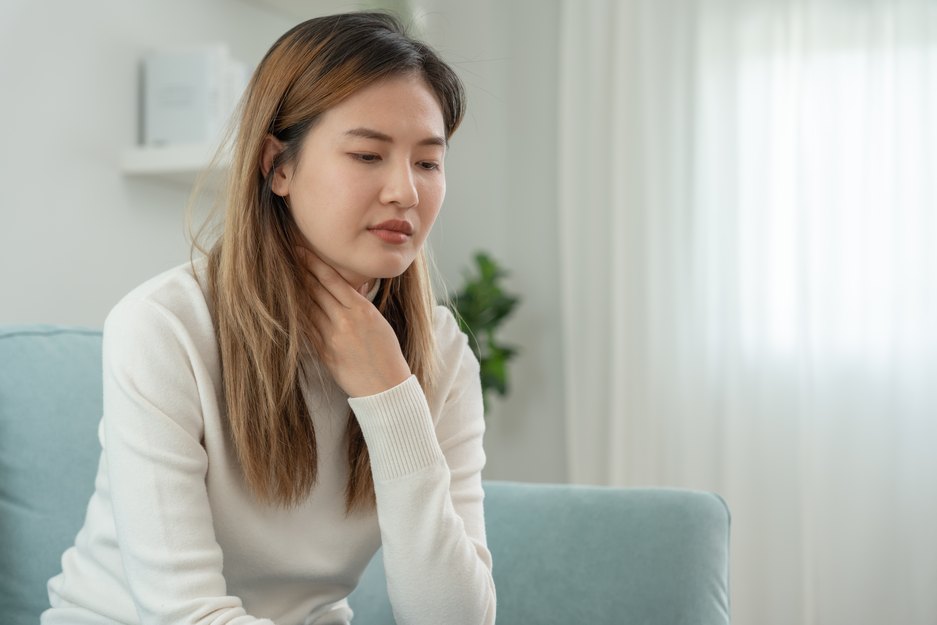
Rebound headaches are caused by the overuse of certain drugs, like pain medication, sedatives or caffeine. These headaches usually happen every day, according to the American Academy of Family Physicians, and may be accompanied by other symptoms, such as anxiety, irritability, sleep problems, depression and nausea.
Caffeine Sources
Caffeine is present in many common drinks, like colas and other sodas, energy drinks, tea and coffee, and in chocolate. Some drug manufacturers put it in painkillers, including certain headache medications. You may get enough caffeine to cause rebound headaches if you consume large amounts of caffeinated beverages, eat a lot of chocolate regularly or take excessive amounts of caffeine-enhanced medications.
Caffeine Effects
Caffeine is sometimes beneficial for headaches, helping to relieve the pain when included in medications, the American Academy of Family Physicians says. Taking such medications every day or drinking large amount of caffeinated drinks daily can make headaches worse, and your head pain increases if you stop consuming the drug. You can tell if caffeine is the culprit by avoiding anything that contains it. You have a problem if the pain increases as the caffeine leaves your system.
Amount
You must consume a large amount of caffeine regularly to trigger rebound headaches. The National Headache Foundation advises that the average person needs to take in more than 200 mg of caffeine daily for at least two weeks to cause problems, which is the equivalent of two to three cups of coffee, depending on the bean type.
Considerations
Caffeine is actually beneficial to headache sufferers when used in moderation in a proper way. Painkillers that contain caffeine are about 40 percent more effective than non-caffeine versions with the same active ingredients, according to the National Headache Foundation. Caffeinated formulations also relieve pain more quickly because the caffeine speeds up the body's absorption of the medication. You avoid caffeine rebound headaches by using the medication in moderation and avoiding other caffeine sources in your food and drink while taking the pain reliever.
Treatment
You can stop caffeine rebound headaches by tapering off your caffeine use gradually, according to the New England Center for Headache. Eventually, you can consume a small amount of caffeine occasionally without any ill effects, but your problems will return if you boost the amount and go back to daily use.


Member Comments