




































What Are the Benefits of a Juicing Cleanse?

What Are the Benefits of a Juicing Cleanse?
Photo Credit Ryan McVay/Photodisc/Getty Images

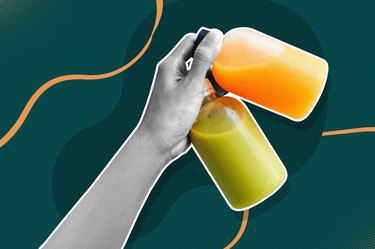
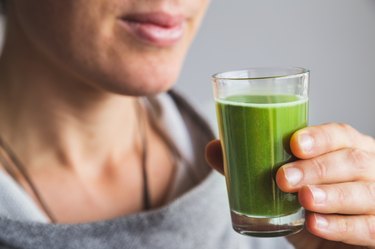
A juicing cleanse is a short-term diet that limits caloric intake to freshly pressed fruit and vegetable juices. Juice cleanse or "juice fast" advocates report many benefits, including clear skin, weight loss and reduced bloating, as well as fewer headaches. However, most of these claims are scientifically unproven. Ask your doctor before beginning any juice-only or other cleansing or detoxification diet. Such diets are never appropriate for pregnant women, children, the elderly or those with diabetes.

Nutrition

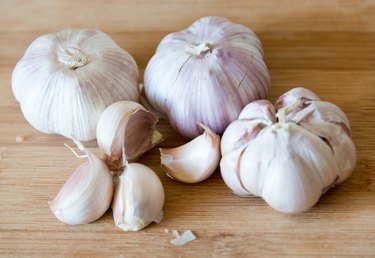
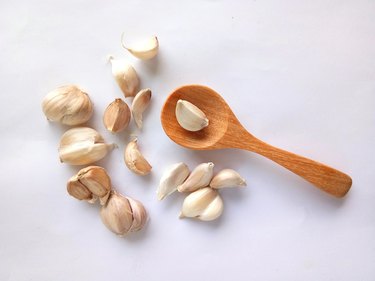
Juicing fresh fruits and vegetables is an efficient way to digest and assimilate their nutrients and phytochemicals. For example, you would need to eat five cups of chopped carrots to get most of the nutrients found in a single cup of carrot juice. The health benefits of certain vegetables, like garlic, are diminished by cooking, so juicing is a perfect way to make them palatable raw. However, the juicing process removes the fiber your body needs for proper digestion and elimination.

Breaking Unhealthy Habits

For most people, the body's detoxification systems -- the skin, blood, liver, kidneys and intestines -- do an adequate job of eliminating environmental or ingested toxins. Still, unhealthy lifestyle habits can be difficult to break. A juice fast or cleanse may help you to kick-start some life changes, like giving up, cutting back on or just taking a break from unhealthy eating habits. Some doctors, like Mark Hyman, MD, of the Institute for Functional Medicine, encourage an occasional plant-based detox diet. Maria Adams, of New York University's Langone Medical Center, cautions that while no scientific evidence exists to prove lasting benefits from any kind of cleanse, an increased focus on fruits and vegetables and calorie reduction can be a healthy change for many.

Weight Loss

Any fluids-only diet can result in rapid weight loss. This is generally due to dehydration, however, not fat loss. For most people, the weight returns right away when they resume eating solid foods. Many juice cleanses are also low in calories, which can send the body into starvation mode, slowing the metabolism so that after your cleanse you may gain weight more easily. Dehydration, electrolyte loss, nutritional deprivation and blood-sugar problems are real dangers. In order to avoid these problems, juice a wide variety of vegetables and fruits, and speak with a nutritionist or doctor for guidance before you begin.

Recipes

Even if a juice-only cleanse is not your goal, fresh juices can make a wonderful addition to any healthy diet. Although you may purchase fresh juices at many grocery stores, a home juicer will offer more varied and creative opportunities. The Stanford University Cancer Center recommends spinach-cucumber-celery juice to supply calcium, iron and potassium, or pineapple-blueberry-ginger juice for cancer-preventing antioxidants and digestive health. RawFoods-LivingFoods.com suggests juicing beets along with their tops for beta-carotene and oxalic acid. Carrot juice is an excellent base for any fruit or vegetable juice blend. Naturally sweet and delicious, it can be combined with sweet or savory ingredients, and it is packed with vitamins A, C and K, as well as calcium, magnesium and potassium.

References

Article reviewed by Eric Althoff Last updated on: Jun 14, 2011

Must see: Photo Galleries

Member Comments