



















































Cayenne & Blood Pressure

Cayenne & Blood Pressure
Photo Credit PhotoObjects.net/PhotoObjects.net/Getty Images

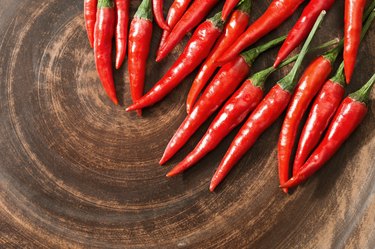
Your blood pressure measurement consists of two numbers, and it signifies how much force the blood within your arteries exerts upon your blood vessels. Having high blood pressure, or hypertension, increases the risk of developing other health disorders. Cayenne pepper, or Capsicum frutescens, C. annuum, may reduce high blood pressure in some, but clinical tests confirming its benefits are lacking as of 2011. See your doctor for regular blood pressure screening, and use cayenne only as part of a doctor-recommended treatment plan.

High Blood Pressure

Having high blood pressure puts you at an increased risk of stroke and heart disease. While the causes of high blood pressure aren't always apparent, the risk of developing the disorder increases with age, alcohol and tobacco use, a sedentary lifestyle, sodium consumption and obesity. In addition, you're more likely to have high blood pressure if you're African American or if the condition runs in your family.

Consuming Cayenne

Cayenne contains capsaicin, volatile oils, saponins and flavonoids that may be responsible for its potential benefits, according to the "PDR for Herbal Medicines." Although research is necessary to determine the exact effects of cayenne on the circulatory system, "Healthwise," a publication of New York University, suggests that the capsaicin found in the hot pepper may be beneficial in stimulating the cardiovascular system and in lowering both blood pressure and cholesterol levels, although the publications recommends against taking capsaicin if you have high blood pressure.

Preparation of the Herb

Cayenne is available as a spice at the grocery store, or in bulk powder, capsules and tablets. The "Gale Encyclopedia of Alternative Medicines" recommends preparing cayenne tea by combining 1/4 tsp. of cayenne powder in one cup of hot water. Do not drink more than one cup per day, unless directed to do so by your doctor.

Precautions

Adding cayenne pepper to your foods is generally recognized as safe, but consuming cayenne in large doses may produce undesirable side effects, including burning bowel movements, diarrhea, stomach cramping, sweating and respiratory distress. Do not give cayenne to infants or small children, and do not use the herb therapeutically if you're pregnant or breastfeeding.

High blood pressure is a serious medical condition and herbal remedies cannot take the place of professional medical advice.

References

Article reviewed by Lisa Michael Last updated on: Jul 7, 2011

Must see: Photo Galleries