






























Tomatoes & Peppers for Joint Pain

Tomatoes & Peppers for Joint Pain
Photo Credit Creatas Images/Creatas/Getty Images

Joint pain is one of the main symptoms of arthritis and can negatively impact your quality of life. If you routinely experience joint pain, consult your doctor for help identifying the cause of your problem. Because joint pain is a form of inflammation, dietary changes that can help you lower the levels of inflammation in your body could help you alleviate your symptoms. Tomatoes and peppers belong to a family of vegetables called nightshades that can promote inflammation in some people; eliminating them from your diet may be beneficial for your joint pain.

Nightshade Vegetables

All nightshades naturally produce different types of alkaloids to protect them against insects and other enemies. The regular consumption of tomatoes, peppers and other nightshades can result in a buildup of some of the different types of alkaloids they contain, contributing to the inflammation, joint pain and joint stiffness in your body. The family of nightshades vegetables and plants, also called Solanaceae, not only includes tomatoes and all types of peppers, such bell peppers, chili peppers, habanero, cayenne pepper and paprika, but also includes eggplant, potatoes and goji berries. According to a study published in 1993 in "Journal of Neurological and Orthopedic Medical Surgery," 94 percent of arthritic patients following a non-nightshade diet experienced a complete relief of their symptoms, including the alleviation of their joint pain.

Tomato

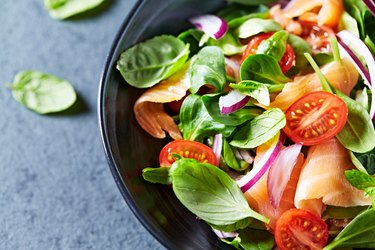
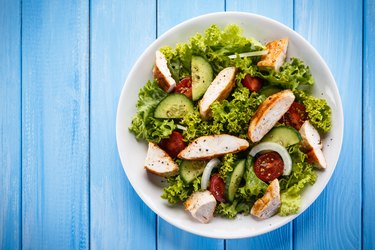
Many of your meals may contain tomatoes as part of their ingredients. Tomatoes contain the alkaloid tomatine, which can contribute to your inflammation and joint pain. Tomatoes are found in many sauces, soups and stews. If you want to eliminate tomatoes from your diet to see whether your joint pain would decrease, eliminate all fresh tomatoes, tomato sauces, tomato-based soups, tomato paste and commercially prepared foods that contain tomatoes, including pizza, pasta dishes and ketchup, as well as many Mexican and Indian dishes. Carefully read the ingredient lists or ask questions when eating out to keep all traces of tomatoes out of your diet.

Pepper

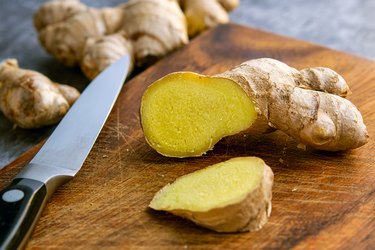
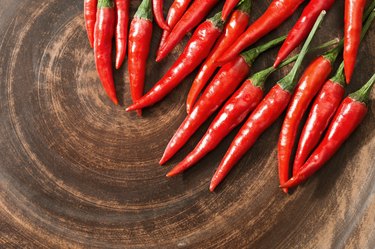
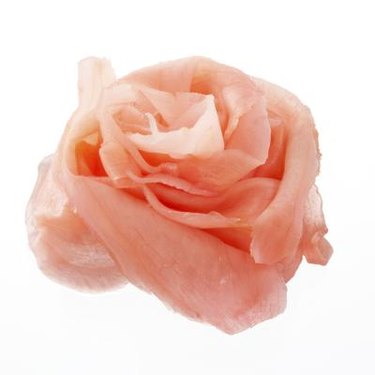
Peppers are also found in many American dishes, and the alkaloid they contain, called capsaicin, could be responsible, at least partly, for your joint pain, stiffness and inflammation. Do not use any peppers, including bell peppers, chili peppers, habanero, cayenne pepper and paprika. Paprika can be difficult to avoid because it is not always clearly listed on food labels and may be present even though only the word "spices" appears in the ingredient list. To see if peppers contribute to your joint pain, eliminate all of them for a period of time. During this time, cook most of your meals at home to make things easier and prevent contaminating your diet with any nightshades. To add flavor to your meals, you can safely use black peppercorn, wasabi, horseradish, mustard, ginger or other herbs and spices.

Nightshade Elimination Diet

Try to eliminate all nightshades completely from your diet, especially tomatoes and peppers, for a few weeks to see if your joint pain improves. During your nightshade elimination diet, keep track of your food intake and symptoms. You may also benefits from adding anti-inflammatory foods to your diet, such as omega-3 rich fish, extra virgin olive oil, avocado and other fresh fruits and vegetables, as recommended by Arthritis Today.

References

Article reviewed by CarmenN Last updated on: Jul 19, 2011

Must see: Photo Galleries