











































Bacterial vaginosis, or BV, is an uncomfortable but common condition in which the "good" bacteria in the vagina become overgrown with "bad" or unbalanced bacteria. The ancient Indian healthcare system of Ayurveda offers some alternatives to conventional medical treatment with antibiotics. See a medical doctor for an accurate diagnosis and to discuss your treatment options.
Bacterial Vaginosis
Symptoms of BV may include a strong, fishy odor, white or gray discharge, itching, burning or stinging. For these reasons, it can lead to extreme discomfort and self-consciousness. The causes of the condition are not always understood, but it can be triggered by a new sexual partner, a course of antibiotics, poor hygiene, douching or using irritating soaps or chemicals that disrupt the normal balance of bacteria. Since BV can lead to an increased risk of contracting HIV or other STDs, pelvic inflammatory disease or post-surgical infection, it is important that it be diagnosed and treated under the supervision of a medical doctor.
Ayurvedic Healing
Ayurveda is based on the principle that imbalance within and between the energies of the body, or doshas, is the source of illness. It works to restore balance and wellness with a combination of dietary and lifestyle changes and herbal treatments. The doshas -- vata, pitta and kapha -- correspond to the elements or humors: earth, air, fire, water and space. Vata is the dosha of space and air, and vata-dominant people tend to be thin, with dry skin and hair and an intellectual nature. Kapha is the dosha of earth and water. Kapha-dominated people put on weight easily, have oily skin and thick hair, and a calm, slow temperament. The pitta dosha is related to air and fire, and pitta-dominant people have a medium, muscular build, sensitive, freckled skin and fiery temperaments.
Ayurvedic Dietary and Lifestyle Recommendations for Bacterial Vaginosis
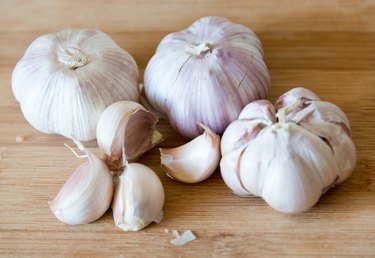
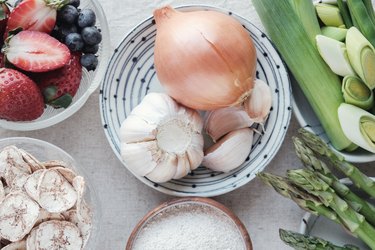
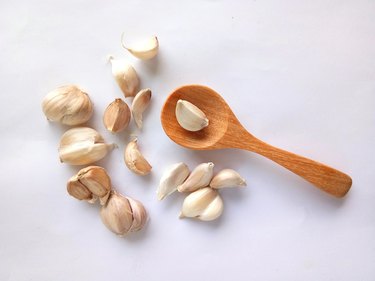
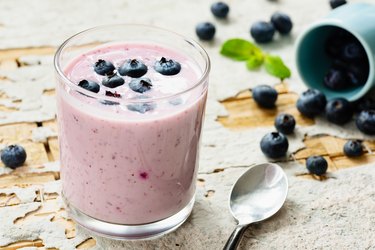
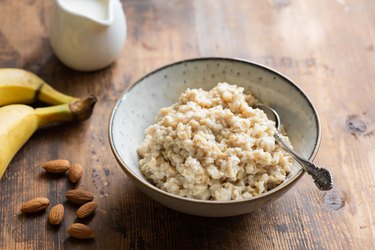
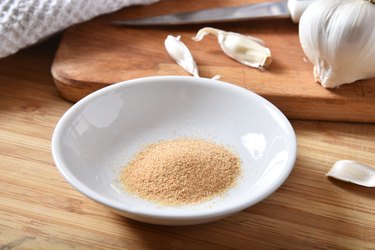
In the Ayurvedic tradition, food is used as medicine, and dietary changes are an essential part of any treatment plan. An Ayurvedic practitioner can determine the imbalance at the source of your symptoms and make specific recommendations. However, a few guidelines will apply to most people suffering from bacterial vaginitis. Eat plenty of fresh vegetables, brown rice, yogurt and flaxseed. Avoid sugars, since bacteria thrive on sugar. Garlic is a good addition for its antibacterial properties. Unsweetened, undiluted cranberry juice can help flush toxins from your system. Take plenty of vitamin C and folic acid. Keep the vaginal area clean and dry. Avoid perfumed soaps and douches. Wear cotton underwear, and no underwear at all at night.
Ayurvedic Treatments for Bacterial Vaginosis
Most Ayurvedic herbs are unfamiliar to a Western audience and should be recommended and prepared by an Ayurvedic practitioner. Ask about Bhastrika, Anulom-vilom Pranayaam and Tracheal. However, the herb blend Triphala is mild, safe and widely available at health food stores. Soak a cotton cloth in a mixture of Triphala powder and water and apply it to the affected area as a soothing cold compress, or use it as a rinse. Some probiotic supplements are especially designed to address vaginal imbalance and can be very effective against vaginosis. Try soaking in a lukewarm bath mixed with three cups of apple cider vinegar. However, these treatments should not be used in place of conventional medical care. Ask your doctor whether Ayurvedic methods might be appropriate for you.


