
























































Reiki is a healing practice created by Mikao Usui, a Japanese Buddhist teacher and healer. Reiki has no religious belief system attached to it, but it’s still considered a spiritual practice. In fact, Usui considered Reiki a way to reach spiritual enlightenment. Reiki heals through the use of a number of techniques. The best known one is the “placing of hands.” During treatment, the Reiki practitioner places his hands on different areas of the body of the recipient. This is supposed to transfer energy or qi and help heal the affliction.
Emotional Problems
A 2010 study published in the “Research in Gerontological Nursing” journal looked at the effects of Reiki in the treatment of depression, anxiety and other emotional issues. All 20 participants experienced some sort of response to treatment. Some felt more relaxed, while others experienced an improvement in mood and overall well-being.
Stress Reduction
Reiki can be used to help reduce anxiety and stress before medical procedures. A 2010 study published in the “Gastroenterology Nursing” journal looked at the effects of Reiki on 21 people undergoing their first endoscopic procedure. The 11 participants who received Reiki prior to the procedure had less anxiety, a lower heart rate and lower blood pressure. Their breathing was also slower and steadier. The 10 participants who didn’t receive a Reiki treatment experienced a higher stress response.
Pain Relief
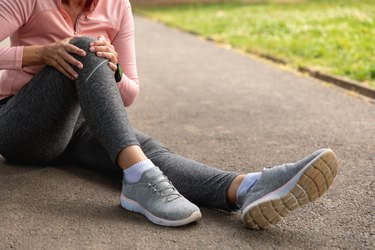
Reiki has been used for a long time to the management of pain. In a 2003 study published in the "Journal of Pain and Symptom Management," 12 cancer patients received opiates followed by rest to treat their pain. An additional 12 received the same opiates followed by a Reiki session. Patients who received Reiki experienced better pain relief and had lower blood pressure and heartbeat. They also experience an overall sense of psychological relief and relaxation.
Other Benefits
According to the “The Original Reiki Handbook of Dr. Mikao Usui,” Reiki can also help treat a number of other conditions, including digestive disorders, inflammation of the lymph nodes and inflammation of the trachea and other respiratory problems. It could also be used to treat the symptoms of contagious or infectious diseases until other forms of treatment take effect.
References
- “Research in Gerontological Nursing”; Effects of Reiki on Anxiety, Depression, Pain, and Physiological Factors in Community-Dwelling Older Adults; N.E. Richeson, et al.; July 2010
- “Gastroenterology Nursing”; Endoscopic Procedure with a Modified Reiki Intervention: a Pilot Study; R.S. Hulse; January-February 2010
- National Center for Complementary and Alternative Medicine: Reiki
- Reiki Association: Introduction to Reiki
- “The Original Reiki Handbook of Dr. Mikao Usui”; Mikao Usui and Frank Arjava Petter; 2000
- “Journal of Pain and Symptom Management”; A Phase II Trial of Reiki for the Management of Pain in Advanced Cancer Patients; Karin Olson, RN, Ph.D; November 2003


Member Comments