






Coupons: Not Just for Cookies, Anymore

A Healthier Way to Clip Coupons

Oct 17, 2011 | By Renee Roberson

Renee Roberson has been writing professionally since 1998. Her work has appeared in "Charlotte Parent," "Carolina Parent," "Lake Norman Currents," "The Charlotte Observer," "Today's Charlotte Woman," "The Writer" and iParenting. Roberson has a Bachelor of Arts in mass communications from the University of North Carolina at Asheville.

Using coupons can save you money on your grocery bill but also help you to eat healthier.
Photo Credit Stockbyte/Stockbyte/Getty Images

More consumers are clipping coupons now more than ever. But watch any extreme couponing show and you might wonder why a family needs 100 candy bars or 2-liter bottles of soda stockpiled. Consumer savings experts and nutritionists want shoppers to know that unhealthy offerings aren’t the only things you can buy with coupons.

“One of the biggest coupon myths is that there are no coupons for healthy foods, but there definitely are,” said Jill Cataldo, founder of Super-Couponing workshops and author of the nationally syndicated newspaper column and video series “Super-Couponing Tips.”

So before you grab your scissors to start clipping away, remember you don't have to sacrifice your health to save money on groceries.

One of the biggest coupon myths is that there are no coupons for healthy foods, but there definitely are.

Jill Cataldo, founder of Super-Couponing workshops

Clip This, Not That

“The average face value of coupons has really grown over the past couple of years,” said Andrea Woroch, a consumer savings expert who has been featured on NBC’s "Today" show, "Fox & Friends" and "ABC News NOW." “People who probably never used coupons before are now looking at doing it.”

But flip through the coupon circulars in your Sunday newspaper and you’re likely to get discouraged at the savings geared toward potato chips and other processed foods.

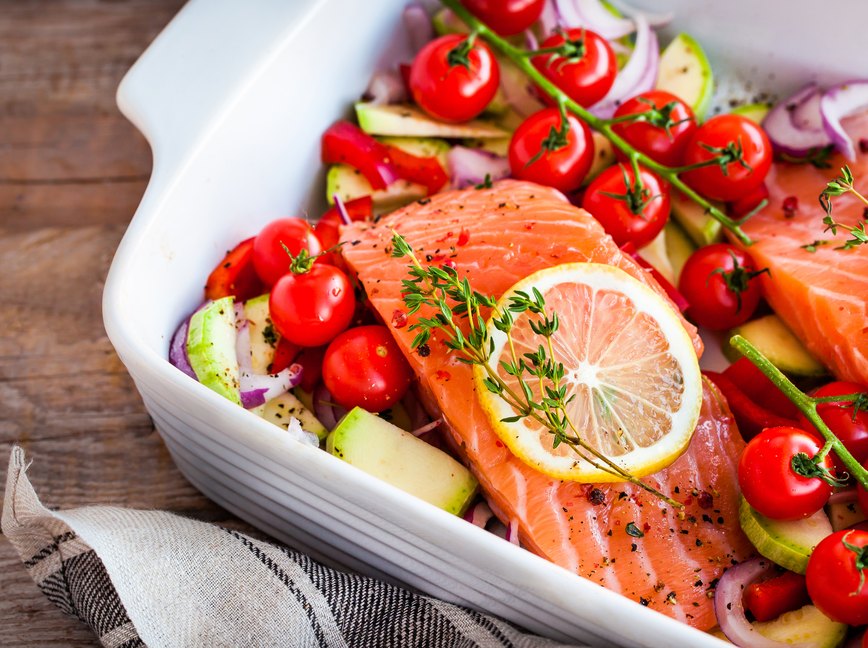
“Coupons are often used for packaged goods that contain added and hidden sugars and trans fats,” said Reyna Franco, a registered dietitian and certified fitness trainer based in New York City. “Coupons to look out for are low-fat and nonfat dairy, fruit, veggies and whole-grain cereals and bread.”

Because the Food and Drug Administration now requires food manufacturers to list trans fats on their labels, it’s easier to see which couponed items you should bypass on the shelves. Trans fats, which are found in vegetable shortenings, some margarines, crackers, cookies and other snack foods, can raise low-density lipoprotein, or “bad,” cholesterol levels.

If you’re the type of shopper who tries to make smart shopping choices, don’t get discouraged by the number of coupons out there for junk or fattening foods -- there are coupons for better foods available, Cataldo said.

“I’m typically buying the same kinds of groceries I would have purchased before becoming a coupon shopper,” she said. “I’ve used coupons recently on everything from whole-grain cereals, organic soups, frozen vegetables, yogurt cups, fresh strawberries, a bag of oranges and more.”

The Hunt for Organic Coupons

While it used to be that coupons for organic food items were few and far between, consumers are finding it a little easier to find their favorite health food items at reduced prices, thanks in part to social media sites.

Many organic companies actively promote their food on Twitter and Facebook, Cataldo said, and following their feeds can net you additional savings. Health food stores are also devoting sections to coupons on their websites.

“Many organic food manufacturers and distributors don’t put their coupons in the Sunday paper inserts, instead preferring to direct-mail their coupons,” Cataldo said. “But you’ve got to head to their websites and opt in to receive them.”

For the coupons that you do find for organic food items, matching your shopping trip with store coupon days will save you even more money.

“Luckily more and more big chain supermarkets are carrying healthy choices such as grass-fed meats and organic products,” said Adrienne Hew, a certified nutritionist based in New Jersey. “The key to using coupons is hitting the stores on double and preferably triple coupon days.”

Match organic food coupons to the store's multiple discount days for big savings.
Photo Credit Noel Hendrickson/Digital Vision/Getty Images

More Smart Savings

Beyond coupons, there are even more ways to cut costs on your grocery purchases.

Woroch points out that a lot of organic brands offer generic versions of their products for about 40 to 60 percent less than the name-brand item. Compare the ingredient labels and you might be surprised at how much more you’re paying for packaging.

For produce, buy everything whole and cut it yourself to slash the product price. The same goes with meats -- cut-up versions often retail for 30 to 60 percent more. And don’t just rely on your regular grocery store for spices — health food stores often sell them in larger quantities at cheaper prices.

Also, check local farmers markets for fresh, local produce. By buying in season, you’ll save money even on offerings from organic growers. Check out local food co-ops and organic produce delivery services, too.

“Food co-ops can often have good deals for members who are required to pay a membership fee and help out in the store occasionally,” said Franco.

Last updated on: Oct 17, 2011

Must see: Photo Galleries

Member Comments