

























Official partner of the LIVESTRONG Foundation

Foods to Avoid for Prostatitis

Mar 21, 2011 | By August McLaughlin

August McLaughlin is a certified nutritionist and health writer with more than nine years of professional experience. Her work has been featured in various magazines such as "Healthy Aging," "CitySmart," "IAmThatGirl" and "ULM." She holds specializations in eating disorders, healthy weight management and sports nutrition. She is currently completing her second cookbook and Weight Limit—a series of body image/nutrition-related PSAs.

Foods to Avoid for Prostatitis
Photo Credit Jupiterimages/Comstock/Getty Images

Prostatitis is a condition in which the prostate is swollen and irritated. Acute prostatitis develops rapidly, and may be caused by a bacterial infection, a urinary tract infection or a sexually transmitted disease. Chronic prostatitis is usually not caused by a bacterial infection, develops gradually and may last for an extensive period of time. According to the University of Wisconsin School of Medicine and Public Health, avoiding certain foods may help reduce or alleviate prostatitis symptoms.

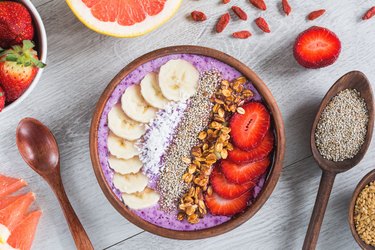
Citrus Juices

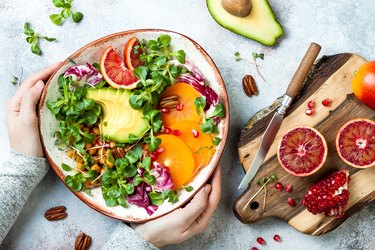
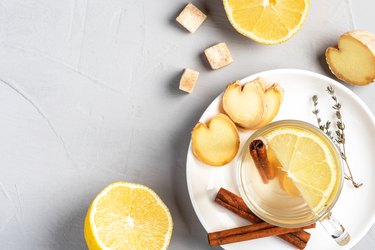
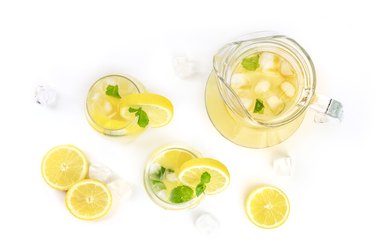
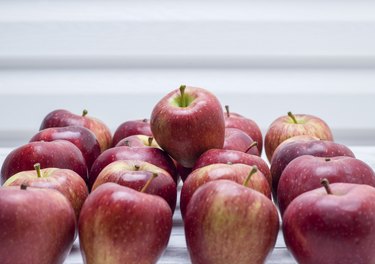
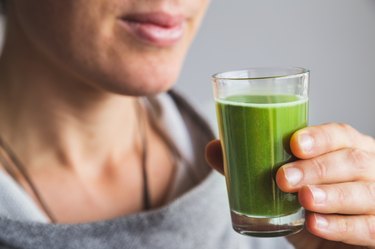
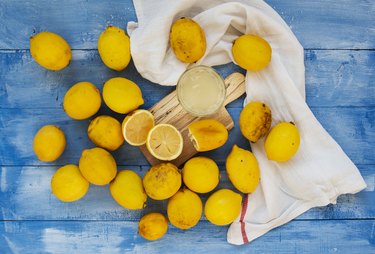
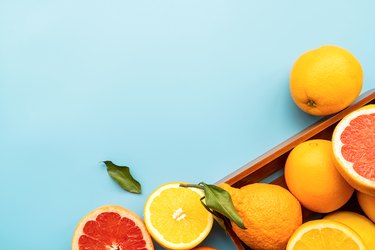
Citrus juices are acidic and may cause irritation to the bladder. Though citrus fruits themselves are nutritious and can be consumed without concern, the juices contain the combined acidity from multiple fruits, increasing the risk for irritation. Fruit juices such as cranberry, orange, lemon and tomato are particularly acidic. Replace high-acid juices with less acidic varieties such as apple or pear "baby" juices, as juices designed for infants contain less acid than those meant for adults.

Spicy Food

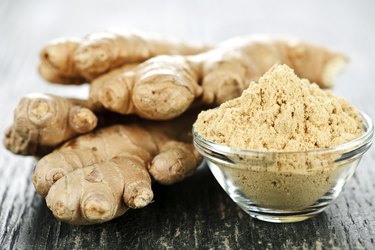
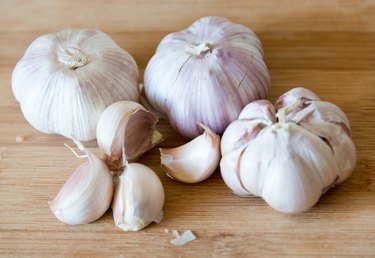
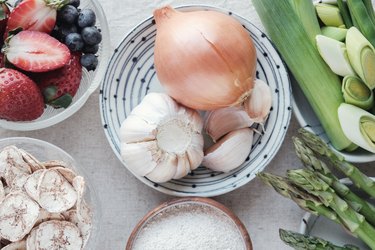
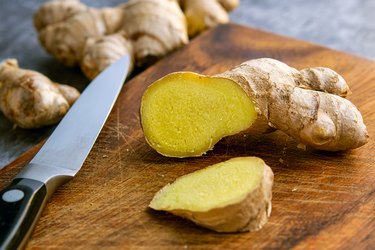
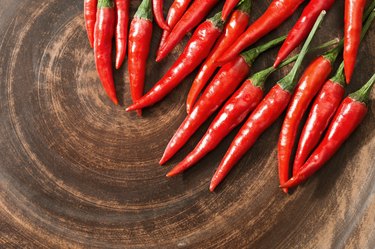
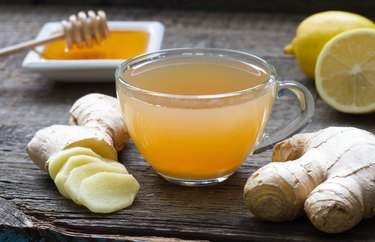
Spicy foods, such as hot peppers, chili paste, miso, and various curries and Asian dishes, may increase symptoms of prostatitis. The Mayo Clinic suggests avoiding foods spicy foods as a means of reducing overall prostatitis symptoms. Choose mild seasonings such as garlic, ginger, cumin, coriander, mild curry powder, sea salt or black pepper. Most restaurants will provide mild renditions of spicy foods upon request. When in doubt, request that seasoning or sauces be served "on the side" so that you can better judge the spiciness and how much, if any, is suitable for you and your condition.

Caffeinated Foods and Beverages

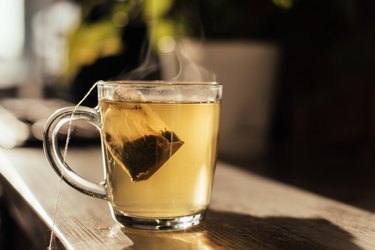
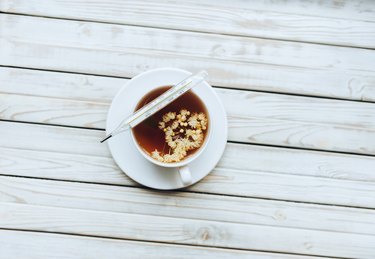
Caffeine is a stimulant that can exacerbate symptoms of inflammation and increase the urge to urinate. According to natural health expert Andrew Weil, M.D., eliminating caffeine from one's diet may help reduce symptoms associated with prostatitis. Weil suggests increased hydration via water drinking and taking zinc supplements as a means to further manage the condition. Since caffeine is a mild diuretic, a substance that flushes fluids from the body, the more caffeinated coffee, teas, sodas and energy drinks are consumed, the greater the symptoms of prostatitis are likely to be. Chocolate contains modest amounts of caffeine, and should be avoided or consumed on an occasional basis. Various diet products, such as nutritional bars, shakes, and sports or energy drinks may also contain caffeine as well as stimulating herbs such as ginseng or guarana. These, too, may contribute to symptoms of prostatitis and are best avoided. Depend on water, non-caffeinated teas, low-fat milk, and low-acid fruit and vegetable juices as healthy beverage alternatives that are less likely to promote symptoms of prostatitis for best results.

References

Article reviewed by Max Stirner Last updated on: Mar 21, 2011

Must see: Slideshow & Video

Member Comments