
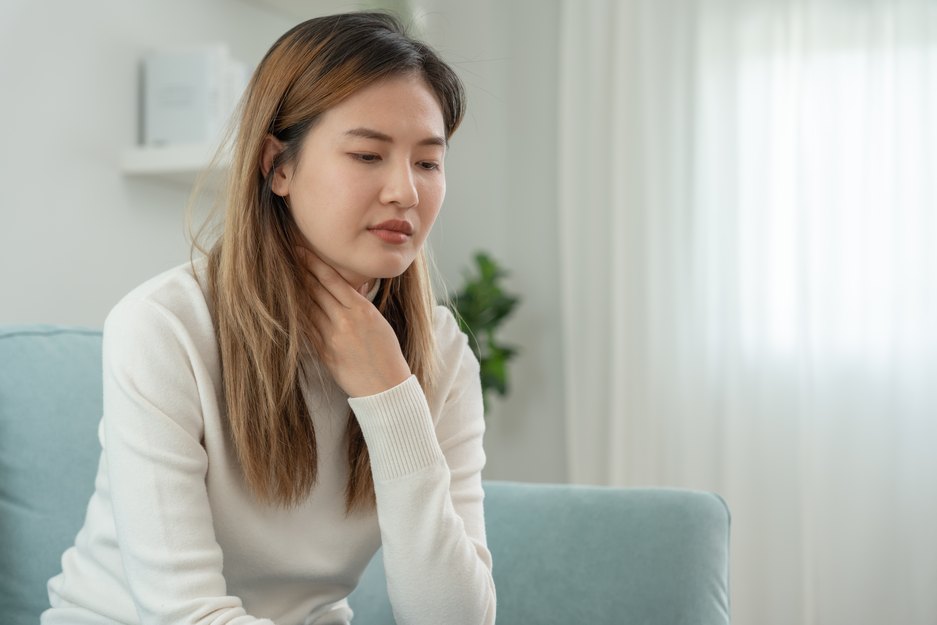






Iodine plays an important role in supporting the proper function of your thyroid gland. While too much iodine can cause hyperthyroidism, an iodine deficiency can lead to hypothyroidism. Excessive sweating is a common symptom of...
Sweating from things like exertion or overheating affects your serum magnesium and other electrolyte levels. If you experience excessive sweating, you are at increased risk for a low magnesium level, or hypomagnesemia. A low ma...
Particularly if you do not replace electrolytes and fluid lost through excessive sweating, you increase the possibility of developing an electrolyte imbalance. Hypomagnesemia, or a low serum magnesium level, is one of those imb...
The best time to go outside for the purposes of absorbing the nutrient, according to Joseph Mercola, D.O., is in the summertime between 10 a.m. to 2 p.m., when ultraviolet rays are most intense. It's also the time of day when y...
Hyperhidrosis is a medical condition in which you experience excessive sweating due to health issues such as cancer, lung disease or menopause. According to PubMed Health, approximately 2 percent to 3 percent of individuals hav...
Sweating -- caused by the skin's eccrine glands -- is the body's natural response toward increasing temperatures in the outside environment. Sweating maintains a regular body temperature and dissipates heat generated internally...
When you sweat, perspiration is released from your pores to keep the body cool during periods of stress such as exercise and heat exposure. However, if the toddler is sweating excessively and it appeats unrelated to body temper...
Excessive sweating, also known as hyperhidrosis, affects 2 to 3 percent of the population; however, less than 40 percent seek medical help, according to Medline Plus. Excessive sweating affects the armpits, feet, hands, groin r...
If you sweat excessively during a workout, you can become dehydrated. According to MayoClinic.com, one of the symptoms of dehydration is thick, stringy saliva, which can form a white, sticky substance around your mouth. Another...
Sweating cools the body, but excessive sweating that occurs without the normal triggers such as heat, exercise or sweat, called hyperhidrosis, can cause embarrassment and discomfort. Between 2 and 3 percent of people have prima...
The herb can also be used in several forms to minimize excessive sweating. Consult your doctor before taking sage or any other herbal supplement.
Sweat glands excrete a mixture of water, urea and sodium chloride onto the skin. As the sweat dries, the surrounding air helps cool the skin. However, excessive sweating, or hyperhidrosis, which occurs when the body isn't overh...
Some people sweat excessively, whether in response to a fever, menopause or a medical condition called hyperhidrosis. If you have experienced excessive sweating, you might be embarrassed and are not sure how to control your per...
However, there are many other possible causes of sweating, according to the Medline Plus Medical Encyclopedia, including anxiety, substance abuse and numerous acute and chronic health problems. Some conditions may cause excessi...
Excessive sweating, also known as hyperhidrosis, is a condition in which you sweat profusely and unpredictably. PubMed Health reports that if you have hyperhidrosis, you may have overactive sweat glands, and that profuse sweati...
But some people believe they sweat too much while exercising, leading to damp clothing, excess odor and potential embarrassment. If you find that you sweat excessively while working out, you may be able to solve your problem if...
Sweating is your body's natural cooling system, needed in order to maintain its proper temperature. Fortunately, for most of us, this is only a temporary condition caused by a case of nerves or the heat of the day. For others, ...
During a vigorous workout, it's normal and healthy to experience some degree of sweating. Although excessive sweating during activity is also usually harmless, it could signify an underlying health condition or even a medical e...
Excessive sweating during a workout can leave you clammy, smelly and embarrassed, but you don't have to suffer as excessively as you perspire. Once you figure out why it's happening, you can find the most effective way to treat...
Anyone can develop excessive sweating during a workout, no matter their fitness level. Excessive sweating during exercising does not mean that you are out of shape -- in fact it can sometimes signal the contrary. In order to pr...
Sweating is a commonly experienced side effect of physical training. While it can be helpful for controlling body temperature, excessive sweating may lead to medical complications and should be avoided by adjusting fluid intake...
Excessive sweating, or hyperhidrosis, is a fairly common problem that affects approximately 1 percent to 3 percent of the population. This condition can affect the entire body, but most often occurs in the palms, underarms, fe...
Several herbs may be helpful in treating your excessive sweating, or hyperhidrosis, a medical condition in which you sweat profusely and unpredictably. If you have hyperhidrosis, you may sweat even when the temperature is low a...
Sweating while you eat, known as gustatory sweating, is not a universal phenomenon. Instead, there are some foods that cause excessive sweating. Not all of these foods are spicy as you may suspect, and some of them can be very ...
Excessive sweating also is known by the medical term hyperhidrosis. It affects millions of people around the world and refers to excessive sweating in areas including feet, armpits, hands, face, groin and head, regardless of th...
Sweating during a workout, a jog or a game of softball is fine. Sweating while working at your desk, washing dishes or watching television is less common and can be embarrassing. Unsightly sweat stains on your clothes or wet ...
If you sweat excessively, you know how embarrassing and uncomfortable it can make you feel. Excessive sweating can lead you to avoid social situations, and cause cracked and inflamed skin and body odor, according to the Merck M...
Excessive sweating, clinically known as hyperhidrosis, is characterized by profuse sweating of the face, feet, underarms or, most commonly, the palms. Aside from discomfort, this condition can have significant emotional and soc...
Excessive sweating can occur for many reasons. Sweating may result from chronic illnesses like cancer, tuberculosis, leukemia or hyperthyroidism. More often, it can emerge as a result of behavioral methods that can be regulated...
Excessive sweating can be an extremely embarrassing condition. Whether it occurs at your workplace or a social function, it's something you would probably like to prevent. However, sometimes a shower and an antiperspirant stick...
Also known as Hyperhidrosis, this condition consists of excessive perspiration. Explained on the website sweating.ca, this condition affects approximately one in twenty persons, worldwide. Non-life threatening, this often psych...
Sweating is an autoregulatory process in which an individual releases salty liquid from the sweat glands to help the body stay cool. Since perspiration is an autoregulatory method for staying cool, individuals sweat more when ...
Hyperhidrosis is a disorder that causes you to sweat excessively, most often on your hands, feet, face and under your arms. There may be other medical reasons for you to sweat heavily, including the use of some medications and ...
According to the Mayo Clinic, excessive sweating can be a result of a medication problem from a condition called hyperhidrosis, where continuous perspiration occurs. There is a number of home remedies and treatments available t...
Excessive sweating may cause social embarrassment, and can even make a simple handshake uncomfortable. The body reduces its core temperature by sweating. Sweat glands release moisture that cools the skin's surface. Some people ...
Excessive sweating is a medical condition called hyperhidrosis, which affects approximately 3 percent of people throughout the world, according to the International Hyperhidrosis Society. People who experience persistent, unusu...
Endoscopic thorasic sympathectomy, commonly known as just sympathectomy, is a surgical procedure that treats excessive sweating in the palms and face, according to MedlinePlus. Sweating that is heavier than normal is called hyp...
Excessive sweating, or hyperhidrosis, is when the body produces more sweat than is required to cool the body. According to the International Hyperhidrosis Society, 3 percent of the population suffers from this condition. The pa...
Hyperhidrosis is a condition in which a person sweats unpredictably and excessively. It is a normal occurrence in the presence of anxiety, fever, hot weather and strenuous exercise. Sweating helps the body stay cool. Excessiv...
Menopause, kidney failure, an overactive thyroid gland, stroke and diabetes can all cause excessive sweating and may need treatment. But if no disease is causing the problem, there are some practical tips that may help you redu...
Many medicines cause excessive sweating, or hyperhidrosis, as a side effect. The International Hyperhidrosis Society lists approximately 400 medications that can cause sweating and points out that the list is not complete. Pati...
Sweating is a normal response by the body to cool itself down and maintain a normal temperature. Sweating occurs naturally as a response to increased heat, exercise or stressful situations. When excessive sweating occurs withou...
Sufferers of excessive sweating can lose hope for an effective treatment, according to the International Hyperhidrosis Society. Excessive sweating, called hyperhidrosis, is normal in the presence of fever, anxiety, strenuous ex...
Excessive sweating, also called hyperhidrosis, can be uncomfortable and embarrassing. While medical problems can cause excessive sweating, the condition may also be inherited or have no identifiable cause. Antiperspirants, whic...
Hyperhidrosis refers to excessive bodily sweating. Facial sweating is a part of this condition and sometimes makes daily living difficult. Underlying conditions or overproduction by the body's sweat glands can cause it. You sho...
Excessive sweating, called hyperhidrosis, can be uncomfortable, embarrassing, cause social withdrawal and negatively effect work, school and other daily activities, according to the International Hyperhidrosis Society. Possible...
Many patients who take pharmaceutical drugs for various conditions report excessive sweating as a side effect. For instance, the International Hyperhidrosis Society reports that up to 19 percent of patients taking SSRI and SNRI...
On a hot day or following vigorous physical activity, the body cools itself by excessive sweating. Excessive sweating, including under the arms, not triggered by heat or activity describes focal hyperhidrosis .Statistics from ...
Although sweating is a normal, healthy way for your body to cool off and dispose of toxins, excessive sweating, or hyperhidrosis, can leave you feeling soggy and self-conscious. Because excessive sweating can be caused by a wid...
Excessive sweating is defined by the Merck Manual Online Medical Library as profuse or constant sweating outside of the circumstances of fever or a very warm environment. Sweating is conventionally controlled by antiperspirants...
Excessive armpit sweating results from a condition called hyperhidrosis, which affects about 3 percent of people, according to the International Hyperhidrosis Society, or IHS. The condition, embarrassing, stressful and disrupti...
Sweating in response to stress or anxiety, exercise or heat is a normal and healthy bodily response. Frequent excessive sweating, medically known as hyperhidrosis, exceeds the amount of perspiration needed to cool the body and ...
Sweating is a natural process that occurs when the body attempts to cool itself. However, some people experience excessive sweating, also known as hyperhidrosis. Although hyperhidrosis can occur anywhere on the body, it most co...
Excessive perspiration can be disabling, causing embarrassment, discomfort and depression, according to the International Hyperhidrosis Society. While there may be some genetic factors involved, hyperhidrosis can be a symptom o...
Excessive armpit sweating, also known as hyperhidrosis, affects as many as 7.8 million Americans, reports Saint Louis University's Dee Anna Glaser, M.D. In her presentation to the International Hyperhidrosis Society, Dr. Glaser...
Sweat can happen anywhere in the body, but is generally associated with the armpits, hands, feet and face. Research at the Mayo Clinic suggests excessive facial sweating, or facial hyperhidrosis, affects about 2.8 percent of Am...
Excessive sweating, or hyperhidrosis, is a serious medical condition that affects about 3 percent of the world's population, according to the International Hyperhidrosis Society. Symptoms vary in severity, with some patients sw...
Excessive and unpredictable sweating, also called hyperhidrosis, is usually caused by overactive sweat glands. Primary hyperhidrosis (sweating of the hands, feet and armpits) affects about two to three percent of the population...
Excessive sweating, also know as hyperhidrosis, is a common condition that can occur anywhere on the body where sweat glands are located, must noticeably in the armpits. Excessive sweating is typically not physically harmful, b...
Sweating or perspiring is a normal process the body goes through to help regulate body temperature. However, if sweating becomes excessive you may have a medical condition called hyperhidrosis. This condition can cause both phy...
Excessive underarm sweating can be embarrassing. Although antiperspirants can provide some relief, you may want to use natural methods to stop underarm sweating. If you suffer from excessive sweating, speak to your doctor to ru...
While perspiration is a normal phenomenon that cools the body, excessive perspiration can be an embarrassing problem. The technical name for excessive perspiration is hyperhidrosis, and it can affect the underarms, hands, feet ...
Everybody sweats; it's a normal part of life. Sweating actually serves a physiological purpose, which is to cool your body when it gets too hot. Some people suffer from excessive sweating in their armpits, so much that it cause...
Sweating is a mechanism that the body goes through to cool itself off. The underarms are an area that commonly sweat, and when it becomes excessive, it can cause embarrassment. If you are trying to stop it, there are several ea...
Sweating, or perspiration, is the body's cooling mechanism. The amount of sweat each person releases depends on the number of sweat glands in the body. While women have more sweat glands than men, men tend to release more persp...
Mayo Clinic experts state that excessive sweating (hyperhidrosis) occurs when the sweat glands produce more perspiration than necessary to cool the body. In some cases, this may be the side-effect of taking certain medications....
Excessive sweating is a phenomenon that occurs in people because of a number of different reasons. Some serious illnesses, such as cancer, tuberculosis, stroke, Hodgkin's disease, non-Hodgkin's disease, lymphoma, leukemia and h...
The body must perspire. Perspiration is one method the body uses to eliminate toxins and other impurities, but excessive perspiration can be a problem. Excessive underarm sweating may stem from stress, diet or medications, amon...
Hyperhidrosis causes the person to sweat excessively. Generally, the body sweats as a mechanism for cooling off, your body's way of regulating its temperature. But when you have hyperhidrosis, you sweat unpredictably. You'll sw...
Of that percentage, there are some people who suffer worse than others. The actual medical condition that causes excessive sweating under the arms is "axillary hyperhidrosis." This condition can be hard to deal with in business...
Excessive sweating is a medical condition referred to as hyperhidrosis. The clinical definition of the disease is when the body creates more sweat than the body needs. The great amount of excessive sweating can cause an imbalan...