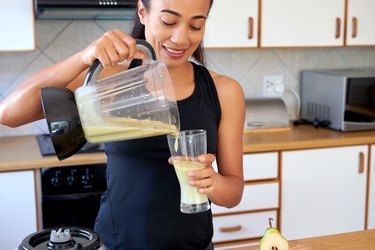
One of the more popular homemade protein shake myths is that you have to use protein powder as the basis of your protein shake or power smoothie. This is not even a little bit true.
Making your protein shakes from scratch allows you to control the quality and the balance of your ingredients. That's especially important since "most protein powders on the market are processed, contain fillers and are typically full of artificial sweeteners," says Laura Burak, RD, CDN. Not to mention, many protein powders have a chalky taste, which isn't particularly palate-pleasing.
Video of the Day
Video of the Day
"The best form of protein will always come from real foods, including protein powerhouses like Icelandic or Greek plain yogurts and cottage cheese — which boast as much as 20 plus grams of protein per cup — and nuts and seeds, which provide great sources of heart-healthy fat, protein and fiber," says Burak. "Natural protein sources can also slow digestion, manage your blood sugar and keep your mind and body more satisfied than processed powders."
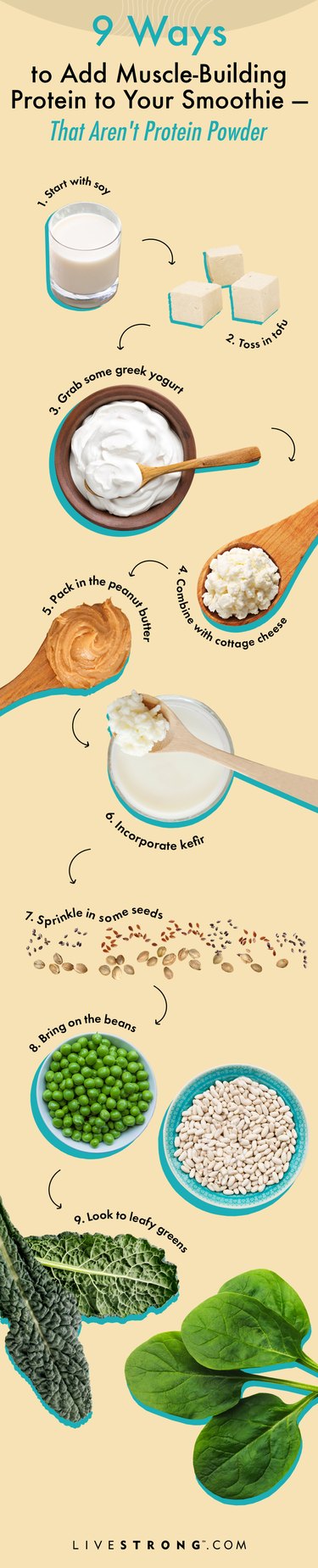
From soy to leafy greens, here are some of the best ways to load your smoothies with protein through whole foods.
1. Start With Soy
Fruit juices can be used as a base liquid for your protein shake, but they can be high in sugar and they don't add protein. Cow's milk contains plenty of protein, but it can be a problem if you are lactose intolerant or following a vegan diet. Soy milk, according to the experts at Tufts University, is the closest substitute for cow's milk.
Soybeans are legumes — just like beans, chickpeas, lentils, peanuts and peas — and one-third of their weight consists of protein. Indeed, just one 8-ounce glass of soy milk contains 7 grams of protein. The fortified variety also offers calcium, zinc, selenium, magnesium and polyunsaturated fatty acids, all of which are necessary for a healthy diet.
Just make sure to choose an unsweetened type to avoid added sugars, which can raise the calorie count while adding no nutritive value.
2. Toss In Tofu
Made from curdled soybeans, "tofu is an excellent plant-based protein option for people who follow vegan diets or cannot tolerate dairy," says Burak. From stir-fry to scrambles, tofu is extremely versatile, making it the perfect addition to your morning smoothie.
With a whopping 22 grams of protein per half a cup, "tofu has a soft texture and white color which easily blends into any smoothie without affecting the taste." And, it's a great source of fiber, providing 12 percent of your daily recommended value.
3. Grab Some Greek Yogurt
Another way to make a protein shake without powder is to add yogurt, specifically Greek yogurt. While yogurts start out basically the same, Greek yogurt is strained one extra time, according to Columbia University. This extra step removes more of the whey liquid, offering a denser, creamier texture and a slightly stronger flavor.
This condensed version of yogurt gives you twice the protein: A cup of low-fat plain Greek yogurt packs 24 grams of protein and half of the carbohydrates and sodium of regular yogurt.
4. Combine With Cottage Cheese
"Like yogurt, cottage cheese is an excellent, readily available source of protein," says Burak. At 23.6 grams of protein per cup, this highly underrated cheese also supplies additional good-for-you nutrients, including vitamin A, which you need for healthy vision and immune function, and B12, which is necessary for energy.
Better yet, cottage cheese blends seamlessly into any smoothie. "It creates a thicker texture that meshes well with other ingredients and adds a sweet and salty taste profile," according to Burak.
5. Pack in the Peanut Butter
One of the more delicious and satisfying ways to create a homemade smoothie without protein powder is to grab a jar of peanut butter. This staple nut spread not only adds flavor and texture, but also provides solid nutrition, including B vitamins, vitamin E, potassium, zinc and unsaturated fats.
Just two tablespoons of the smooth, unsalted variety contain 7.1 grams of protein. And, with healthy, satiating fats, peanut butter boosts the yummy factor of any smoothie but is especially delicious when combined with soy milk, Greek yogurt, bananas and a bit of maple syrup. Freeze the bananas for a thicker, creamier protein shake.
6. Incorporate Kefir
Made from a variety of yeast and bacteria, kefir is a low-fat, calcium-packed fermented milk that heaps a hefty dose of healthy probiotics, Burak says. That's good news for your gut: By adding more fermented foods with probiotics to your diet, you can keep your good intestinal flora flourishing and the bad ones at bay.
And, at 11 grams of protein per cup, kefir is a great addition to your post-workout smoothie since protein can help with muscle-building and repair. Burak recommends combining unsweetened, plain kefir with fresh fruit in your shakes for natural sweetness without any added sugar.
7. Sprinkle in Some Seeds
When it comes to ingredients for homemade smoothies, chia, flax and hemp seeds are Burak's top choices.
"These seeds may be tiny, but they are a great bang for your nutrition buck. Not only do they boost the nutrition and satiation factor because they naturally provide heart-healthy fat, protein and fiber in a small spoonful, but they also create a thicker texture," she says. And, conveniently, the power food trio of chia, flax and hemp seeds — which provide 4.7 grams, 5.2 grams and 9 grams of protein per ounce, respectively — are often packaged and sold as an assortment, making for an economical purchase at the grocery store.
8. Bring On the Beans
Beans may be the last thing that come to mind when you're preparing a smoothie. But you shouldn't leave out these lovely legumes.
Beans (such as cannellini) and peas offer a font of protein —16 grams and 7.9 grams per cup, respectively — plus plenty of heart- and gut-healthy fiber. Since they have a mild, bland taste, they won't alter your smoothie's flavor but will contribute a heartier texture, Burak says. So, if you're a fan of thick smoothies, load up with legumes.
Read more: 13 Surprising Vegetarian Sources of Protein
9. Look to Leafy Greens
You can also get some protein from green, leafy vegetables and other plants, per Cedars-Sinai. Kale and spinach — with 8.8 grams and 12.5 grams of protein per 100-calorie serving, respectively — are especially good in protein shakes because they blend completely into the liquid.
Unsure about how veggies might affect the flavor of your smoothies? Pop in some pineapple, which makes a great complement to fresh greens thanks to its tanginess. Plus, the vitamin C in pineapple can help your body more easily absorb the iron in dark leafy greens such as spinach.
Tip
Though fruit isn’t a prime source of protein, it adds fiber as well as sweetness and flavor to smoothies. Using frozen fruit, which creates a thick, creamy texture, is also a great option. That's because frozen varieties last longer than fresh fruit, and, since the produce is frozen immediately upon being harvested, it doesn’t lose any nutrients, per the University of Washington. There are all sorts of frozen fruits, fruit mixes and medleys available in your supermarket's freezer section. Just make sure that there’s no added sodium or sugar.
Delicious Protein Shake Recipes to Try
Need some inspiration for your homemade protein smoothies? From a filling breakfast to a midday pick-me-up, get your protein fix with these eight recipes that use only whole-food ingredients.
1. Bunny Food Smoothie
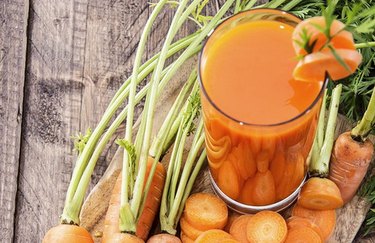
If you're living the meat-free life, know that tofu provides complete protein, which means it packs in all nine of the essential amino acids your body needs to carry out basic life functions. This smoothie, which mixes both fruits and veggies with tofu, offers a nutritious blend of vitamins and minerals and 13 grams of protein, Burak says.
Get the Bunny Food Smoothie recipe and nutrition info here.
2. Recovery Smoothie
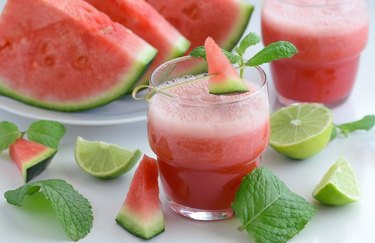
The base of this smoothie, Greek yogurt, is Burak's go-to for any shake recipe due to its high protein and probiotics content, which contributes to the 21 grams of protein in this cup. Meanwhile, super-hydrating watermelon provides powerful antioxidants, specifically lycopene.
Get the Recovery Smoothie recipe and nutrition info here.
3. Sunshine Smoothie
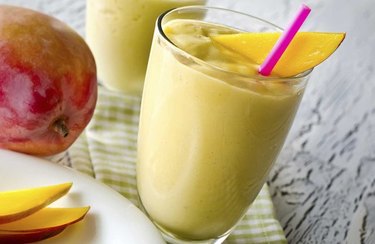
"This smoothie includes a trifecta of protein and healthy fats from kefir, cottage cheese and almonds," according to Burak. For a touch a sweetness, mango balances out these savory ingredients and is rich in vitamin C and antioxidants. You'll get an impressive 18 grams of protein from this fruity sip.
Get the Sunshine Smoothie recipe and nutrition info here.
4. Chia-Almond-Date Smoothie
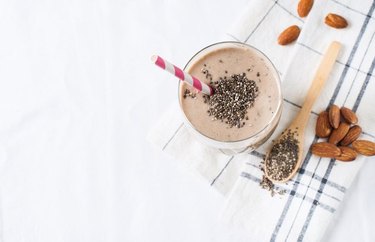
Protein, fat and fiber from chia seeds and nut butter offer the key combo of nutrients that slow down your digestion and keep you full and satisfied, says Burak. You'll get 12 grams of protein to tide you over while the coconut and dates lend the perfect amount of natural sweetness to this plant-based smoothie without any added sugar.
Get the Chia-Almond-Date Smoothie recipe and nutrition info here.
5. Mochaccino Smoothie
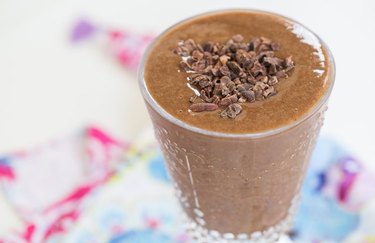
Calling all coffee lovers: With a cup of cold brew, this mochaccino smoothie not only offers a caffeine kick but also 11 grams of protein per serving thanks to pea-based milk. According to Burak, pea milk is the only plant-based milk alternative that provides the same amount of protein as dairy milk.
Get the Mochaccino Smoothie recipe and nutrition info here.
6. The Incredible Sippable Egg Smoothie
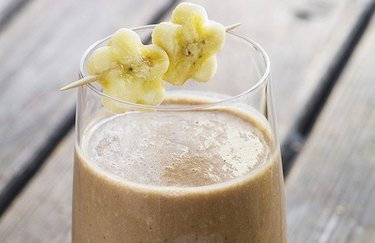
Not just for omelets, "egg whites (and Greek yogurt) are the stars in this recipe, providing a nice combo of satiating protein," with 22 grams, says Burak. "Banana and chocolate syrup give this frothy smoothie a sweet touch."
Get The Incredible Sippable Egg Smoothie recipe and nutrition info here.
7. Mason Jar Hemp Green Smoothie
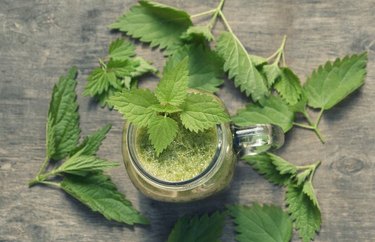
Packed with omega-3 fatty acids, magnesium and zinc, fiber-filled hemp seeds steal the show in this good-for-you green smoothie. "The trio of refreshing veggies, fruits and herbs add a mix of vitamins, minerals and antioxidants," Burak says. And you'll get an impressive 16 grams of the muscle-maintaining macro.
Get the Mason Jar Hemp Green Smoothie recipe and nutrition info here.
8. Creamy Chocolate, Cannellini Bean and Cinnamon Smoothie
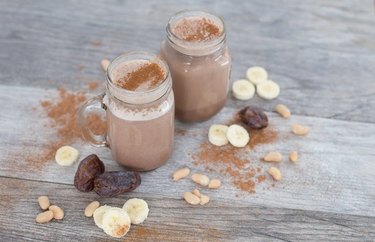
This chocolatey smoothie tastes so yummy, you'd never believe it's so healthy. "Cannellini beans and chocolate milk not only act as the protein powerhouses (you'll get 15 grams) in this fiber-rich smoothie, but they also create a creamy, decadent texture when blended with bananas and other naturally sweet ingredients like dates, cinnamon and cacao powder," Burak says.
Get the Creamy Chocolate, Cannellini Bean and Cinnamon Smoothie recipe and nutrition info here.
Click below to pin and save these tips and recipes for later!
- University of New Mexico: "Protein Supplements - Which 'Whey' to Go?"
- HSS: "Quick and Easy Meal Replacement Smoothie Recipe for People on the Go"
- Tufts University: "Soy - Still Good For the Heart?"
- Columbia University - Go Ask Alice!: "It's Greek (Yogurt) to Me!"
- Colorado State University: "Nut Butters"
- University of Washington: "3 Steps For Building the Perfect Summer Smoothie"
- Cedars-Sinai: "Are Animal Proteins Better for You Than Plant Proteins?"
- US Department of Veteran's Affairs: "VA Dietitians Suggest Homemade Smoothies As a Heart-Healthy Option"
- USDA My Food Data: “Unsweetened Soy Milk.”
- USDA My Food Data: “Firm Tofu”
- USDA My Food Data: “Low-fat Plain Greek Yogurt.”
- USDA My Food Data: “Lowfat Cottage Cheese (2%).”
- USDA My Food Data: "Top 10 Foods High in Vitamin A."
- USDA My Food Data: "Top 10 Foods Highest in Vitamin B12 (Cobalamin)."
- USDA My Food Data: “Unsalted Peanut Butter (Smooth)”
- USDA My Food Data: “Peas.”
- USDA My Food Data: “Cannellini Bean.”
- USDA My Food Data: “Probiotic Kefir.”
- USDA My Food Data: “Spinach.”
- USDA My Food Data: “Kale.”
- USDA My Food Data: “Hemp Seeds.”
- USDA My Food Data: “Flax Seeds.”
- USDA My Food Data: “Chia Seeds.”