If you've been sleep-deprived lately and yearning to feel more alert, eating more tyrosine-rich foods may help. Tyrosine (also known as L-tyrosine) is an amino acid that produces dopamine, which helps keep your memory sharp and brain alert, according to the Mayo Clinic.
Protein is made up of building blocks called amino acids. Amino acids are considered essential, non-essential or conditional. The differences lie in whether or not your body can produce these amino acids on its own. Your body can make amino acids considered non-essential but needs to get essential amino acids from food.
Video of the Day
Video of the Day
Tyrosine is a conditionally essential amino acid, meaning that your body can usually produce enough, but not if there's an illness or condition that's keeping it from doing so, according to the U.S. National Library of Medicine (NLM).
Your body can make tyrosine if you get enough phenylalanine, an essential amino acid. But people with phenylketonuria (PKU), a rare metabolic disorder, can't eat foods high in phenylalanine and must take supplements, per the Mayo Clinic. If you have PKU, it's crucial to know that many foods that contain tyrosine also have phenylalanine — and high-protein foods tend to be high in tyrosine.
How Much Tyrosine Do You Need Per Day?
The Recommended Daily Intake (RDI) for tyrosine and phenylalanine combined is 11 milligrams per pound of body weight (or 25 milligrams per kilogram of body weight), per the USDA.
So if you eat these amino acids equally, you should aim for 5.5 milligrams of tyrosine per pound of body weight (or 12.5 milligrams per kilogram of body weight).
That means that a person who weighs 154 pounds (or 70 kilograms) should get 875 milligrams of tyrosine per day. But if you're only eating tyrosine and no phenylalanine, you should double this amount for tyrosine to ensure adequate intake, per the USDA.
Check out this list of foods high in L-tyrosine below. Note that the RDI percentages are based on eating 875 milligrams of tyrosine per day.
Foods High in Tyrosine
1. Steak: 2,174 mg, 248% Recommended Dietary Intake (RDI)
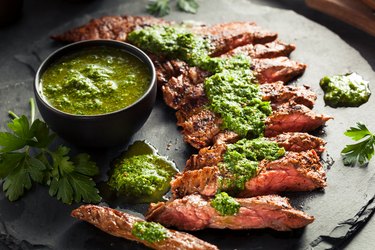
Skirt steak, the cut typically used for fajitas (and Philly cheesesteaks), is a complete protein because it contains all nine essential amino acids. It's also one of the best food sources of tyrosine, with 248 percent of the RDI per a 6-ounce grilled steak.
Skirt steak is high in protein (with 49 grams per serving), but it's also got 52 percent of the daily value (DV) for saturated fat. For a leaner cut of steak that still contains plenty of tyrosine, choose flank steak, which has 172 percent of the RDI for tyrosine and 30 percent of the DV for saturated fat per a 6-ounce serving.
Try these protein-rich steak recipes to get your daily fill of tyrosine.
2. Lean Pork Chops: 2,088 mg, 239% RDI
Pork chops also top the list of tyrosine foods, providing 239 percent of the RDI per a 6-ounce cooked serving. In addition, they're higher in protein (with 52.7 grams per serving) and much lower in saturated fat (20 percent of the DV) than skirt steak.
3. Sockeye Salmon: 2,052 mg, 235% RDI
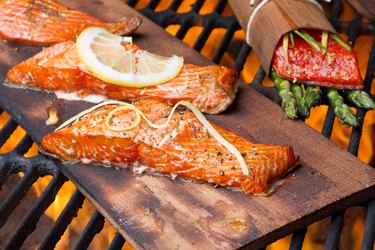
Sockeye salmon is high in fat, but most of that fat comes from healthy, unsaturated fats — specifically omega-3 fatty acids. Along with healthy fats, salmon is an excellent source of vitamin D, niacin, selenium and vitamins B6 and B12.
A 6-ounce fillet of cooked sockeye salmon has 45 grams of protein and 235 percent of the RDI for tyrosine. Try these tasty and healthy salmon recipes.
4. Lean Ground Turkey: 1,907 mg, 218% RDI
Ground turkey sometimes gets overlooked, but this high-quality protein source is extremely versatile, affordable and quick to prepare. You can throw it in just about anything from turkey burgers to an enchilada casserole to a breakfast scramble.
A 6-ounce serving of fat-free, cooked turkey gives you 218 percent of the RDI for tyrosine and over 53 grams of protein. It's also rich in selenium, phosphorus, zinc and choline. Try these creative ground turkey recipes that go beyond burgers and meatloaf.
5. Firm Tofu: 1,767 mg, 202% RDI
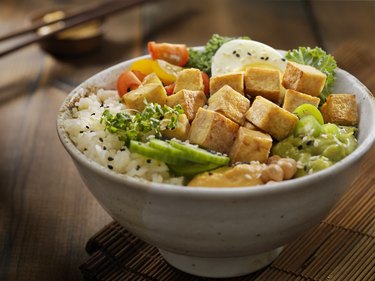
Tofu is a popular plant-based meat alternative because it's nutrient-rich, has almost as much protein as meat and is a complete protein.
One cup of tofu has 202 percent of the RDI for tyrosine, 43.5 grams of protein and 21 percent of the DV for fiber. Tofu is also an excellent source of calcium (providing 132 percent of the DV), selenium, iron, zinc and magnesium. Try these protein-rich tofu recipes next time you're wondering what to make for dinner.
6. Skim Milk: 833 mg, 95% RDI
"Got milk?" might be forever imprinted into your mind from years of hearing this catchy slogan and you'll be relieved to hear that milk is a high-quality protein with ample amounts of all nine essential amino acids.
Knowing which milk to choose at the grocery store can be confusing, but all cow's milks have nearly the same amount of tyrosine. Skim milk contains the most, providing 95 percent of the RDI for tyrosine per 16-ounce serving.
7. Ricotta Cheese: 739 mg, 84% RDI
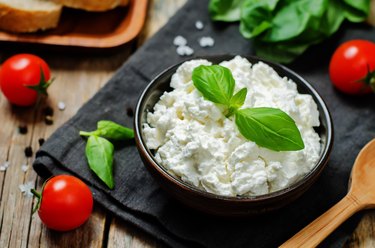
Creamy ricotta cheese is the star of delicious and hearty dishes like stuffed shells or lasagna. A 1/2-cup serving of low-fat ricotta cheese contributes 84 percent of the RDI for tyrosine.
Ricotta is rich in calcium, phosphorus, vitamins A and B12, riboflavin and zinc. But this creamy cheese is also high in saturated fat, with about 31 percent of the DV per serving. The 2020-2025 Dietary Guidelines for Americans recommend limiting saturated fat intake to less than 10 percent of your daily calories.
8. Yogurt: 649 mg, 74% RDI
Like other dairy products on this list, yogurt is also one of the top sources of tyrosine. A 1-cup serving of low-fat yogurt provides 74 percent of the RDI for tyrosine.
Yogurt contains probiotics that are great for your gut, digestion, weight and overall health, according to a December 2018 review in Nutrition Reviews. Try these high-protein savory yogurt recipes for a breakfast or lunch twist.
9. Lentils: 477 mg, 55% RDI
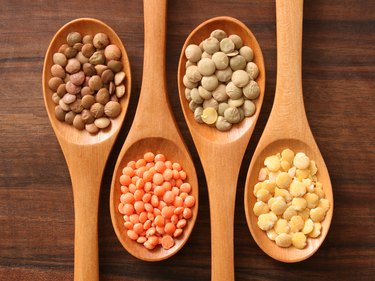
Lentils are one of the best vegan foods high in protein, and 1 cup of cooked lentils provides 55 percent of the RDI for tyrosine and 17.9 grams of protein.
Not only are lentils a great plant-based protein option, but they are also high in fiber (with 56 percent of the DV per serving) and many nutrients, including iron, phosphorus, zinc, copper and manganese. Eating legumes like lentils regularly is linked to helping manage or reduce the risk of type 2 diabetes, heart disease and high blood pressure, according to an October 2015 study in Clinical Diabetes.
Try these cozy vegetarian lentil recipes.
10. Black Beans: 430 mg, 49% RDI
Black beans are incredibly affordable, versatile and rich in nutrients. Like other legumes, they're high in plant-based protein and fiber, providing 53 percent of the DV for fiber and 15.2 grams of protein per 1 cup of cooked beans.
Black beans are an excellent source of tyrosine with 49 percent of the RDI per serving. They're also rich in magnesium, copper, iron, potassium and B vitamins such as thiamin and folate. Turn a can of black beans into something delicious with these easy bean recipes.
11. Pumpkin Seeds: 306 mg, 35% RDI
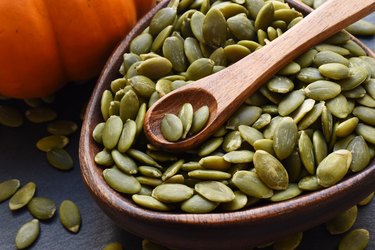
Thanks to their small size, pumpkin seeds, also known as pepitas, are wonderfully snackable. They're quite satiating thanks to their fiber, protein and healthy, unsaturated fat content. A 1-ounce handful of roasted pumpkin and squash seeds packs 35 percent of the RDI for tyrosine. Try these pumpkin seed recipes to transform the tiny seeds into something special.
12. Wild Rice: 277 mg, 32% RDI
Wild rice has a nutty flavor and is usually mixed with other types of rice. It's higher in fiber and protein (including the amino acid tyrosine) than white and brown rice. One cooked cup of wild rice has 32 percent of the RDI for tyrosine.
This nutritious rice is also high in polyphenols and linked with many health-promoting benefits, such as lowering the risk of high blood pressure, plaque buildup, metabolic syndrome and insulin resistance, according to a November 2020 review in Food Chemistry. Try it in these leftover rice dinner recipes.
What Is Tyrosine?
Amino acids, like L-tyrosine, come together to form proteins. And the reverse comes into play: You eat foods that include proteins, and your body then breaks them back down into the original amino acids. The body then uses the amino acids to produce new proteins that play a part in important body functions, such as processing food, repairing tissue and creating energy. They even help you grow.
"Our bodies can break down proteins into amino acids, rearrange them and make L-tyrosine," says Isabel Maples, MEd, RDN, a dietitian in the Washington, DC, area and a spokesperson for the Academy of Nutrition and Dietetics. "Specifically, the amino acid phenylalanine can be made into L-tyrosine."
Tyrosine is essential for many of your body's functions, and without it, your body wouldn't be able to handle stress or make important hormones. It's involved in producing neurotransmitters, such as epinephrine, norepinephrine and dopamine, that your body needs to combat stress, per the NLM.
Tyrosine also keeps your adrenal, thyroid and pituitary glands functioning normally. These glands make hormones like the thyroid hormone, which helps regulate metabolism. And as a necessary component of melanin, tyrosine helps determine the pigment of your hair and skin.
Tyrosine Supplements vs. Foods
One way to raise L-tyrosine levels would be to take supplements. But, "supplements can be pricey, and they don't make up for a balanced diet," Maples explains. "Focus first on getting enough protein from a variety of sources."
She suggests eating non-meat protein sources to boost L-tyrosine levels, and watching saturated fat levels so you don't get too much. Consider:
- Dairy foods (eat three servings a day of milk, yogurt or cheese)
- Seafood (eat fish or shellfish at least twice a week)
- Dried beans, peas and lentils
- Eggs
- Nuts and seeds
Do You Really Need More L-Tyrosine?
Though you could try to boost your intake of L-tyrosine, do you really need to? Research has produced mixed results.
"Studies with L-tyrosine show some benefit on mental functions, such as memory and alertness during times of physical stress, like when people are exposed to extreme cold or are sleep-deprived," Maples says. "This is not the same as emotional stress, however."
If you aim to be more alert, then, more L-tyrosine may be helpful. But, although generally considered safe, recommended dosages for tyrosine have not been set by the Food and Drug Administration (FDA).
On other fronts, Maples says that "emerging research shows there could be some benefit to L-tyrosine during heroin withdrawal, though it was studied in combination with other factors."
Studies have not shown benefits for taking L-tyrosine to boost exercise performance in cyclists and runners, she says, nor are there proven effects for taking tyrosine for ADHD or depression.
When to Limit L-Tyrosine
Boosting L-tyrosine in your diet by eating more protein is generally safe, Maples says, but there are some exceptions.
People with kidney disease often need to control their protein intake in order to protect their kidneys from overwork, according to the National Kidney Foundation. Check with your physician if you have kidney disease before changing your diet.
Also, people with PKU need to carefully monitor their protein intake, according to Stanford Children's Health. Those with the disease can't properly process the amino acid phenylalanine, which produces L-tyrosine.
"Babies in the U.S. and many other countries are tested for PKU right after birth," Maples says. "Treatment includes a diet low in phenylalanine through eliminating some foods with protein, so L-tyrosine supplements play an important role. Also, there are foods with L-tyrosine that are available via medical prescription."
The Bottom Line
It seems that, unless you have a medical reason for limiting protein intake, L-tyrosine supplements are not necessary. For the most part, eating a nutritious diet that includes protein is all that you need to get the L-tyrosine you need.
You'll get tyrosine from beef, pork, fish, poultry, milk, cheese, yogurt, beans, pumpkin seeds, lentils and wild rice.
- Mayo Clinic: "Maximize memory function with a nutrient-rich diet"
- U.S. National Library of Medicine: "Amino acids"
- Mayo Clinic: "Phenylketonuria (PKU)"
- My Food Data: "Top 10 Foods Highest in Tyrosine"
- U.S. National Library of Medicine: "Tyrosine"
- WHO: "Protein and amino acid requirements in human nutrition"
- Dietary Guidelines for Americans: 2020-2025
- Nutrition Reviews: "Yogurt and other fermented foods as sources of health-promoting bacteria"
- Clinical Diabetes: "Legumes: Health Benefits and Culinary Approaches to Increase Intake"
- Food Chemistry: "Wild rice (Zizania spp.): A review of its nutritional constituents, phytochemicals, antioxidant activities, and health-promoting effects"