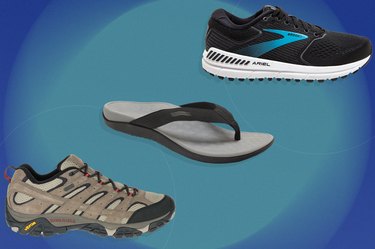
Even if you have flat feet, chances are you haven't given much thought to the type of shoe you should be wearing. That's because the condition — which occurs when the foot does not have a natural arch, allowing the entire foot to touch the ground — is fairly common and typically painless.
But even if your flat feet aren't causing you pain, wearing the wrong shoes could lead to other issues. "Many problems can occur or be made worse, such as bunions, hammertoes, tendinitis, plantar fasciitis or back, hip and knee pain," podiatrist Jackie Sutera, DPM, tells LIVESTRONG.com.
Video of the Day
Video of the Day
So if you're wondering what type of shoes are best for flat feet, we've rounded up eleven of the best pairs, along with what to know before you buy.
(Psst: We've also got you covered when it comes to the best boots for flat feet.)
The Best Shoes for Flat Feet
- Best for Walking: New Balance Fresh Foam X 860v13 (From $139.99, New Balance)
- Best for Running: Brooks Adrenaline GTS 22 ($109.95, Brooks Running)
- Best on a Budget: Dr. Scholl's Blitz Walking Sneaker (From $40.33 , Amazon)
- Best for Heavier Runners: Asics GT-4000 3 ($130, Asics)
- Best for Everyday Wear: Vionic Miles II Active Sneaker for women or Vionic Men's Classic Walker for men (From $109.95, Vionic Shoes)
- Best for Overpronation: Brooks Ariel for women or Brooks Beast for men ($129.95, Brooks Running)
- Best for Cushion: Saucony Triumph 19 (From $39.99, Amazon)
- Best for Hiking: Merrell Moab 2 (From $140, Merrell)
- Best Sport Sandal: Vionic Tide II Toe Post Sandals ($74.95, Vionic Shoes)
- Best Heels: Llanes Loafer Pump ($190, Nordstrom)
- Best Slippers: Vionic Sadie Adjustable Strap Orthotic Slippers (From $62.21, Amazon)
How We Chose
We tapped Dr. Sutera to share her professional product recommendations and break down what to look for in shoes for flat feet. We selected the following products based on her input and the following criteria:
- Comfort
- Fit
- Durability
- Style
- Cost
And do flat feet need arch support? Yes, which is why this is considered in our top picks, too.
Find more information on how we choose and review products here.
Why Are Certain Shoes Marketed to Men or Women?
We've included both men's and women's shoes on this list, as shoemakers typically market their products based on gender. Here's what to know about the difference: "Men's shoes tend to be cut wider and are usually over a size bigger than women's shoes," Dr. Sutera says, adding that the best option depends on a person's anatomy, fit, personal comfort, style and individual preference.
"It is more common for women to wear men's shoes, especially after surgery, to accommodate for swelling, and also in people with severe arthritis, where they need to wear wider or higher toe box shoes to accommodate for stiff, rigid joints," Dr. Sutera says.
1. New Balance Fresh Foam X 860v13
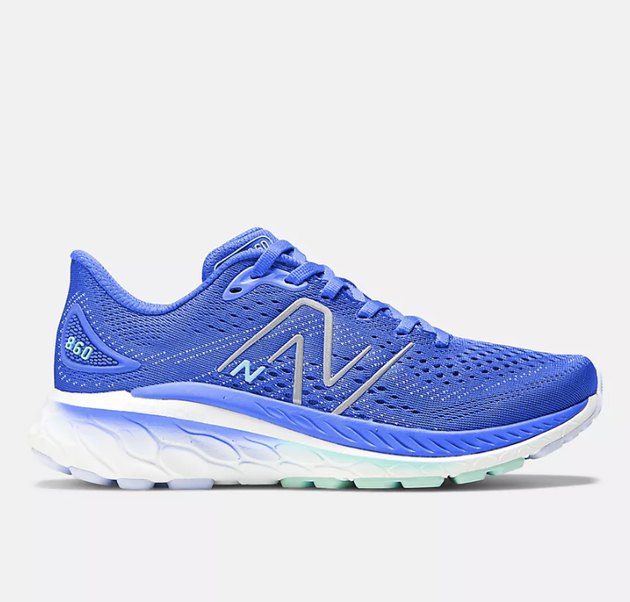
New Balance Fresh Foam X 860v13
This lightweight and supportive sneaker comes in wide sizes.
Pros
- Lightweight
- Support for pronated feet
- Wide widths available
Cons
- May need time to break in, according to some reviews
The best sneaker brand for flat feet will depend on your needs. These lightweight New Balance sneakers offer a ton of support without being heavy, making them ideal walking shoes for people with flat feet.
Dr. Sutera recommends them for their extra cushioning as well as the fact that they're built with a medial post, a device inside the insole that offers more support for pronated feet.
They also come in widths ranging from standard to extra wide, which wins them extra points in the comfort category.
2. Brooks Adrenaline GTS 22
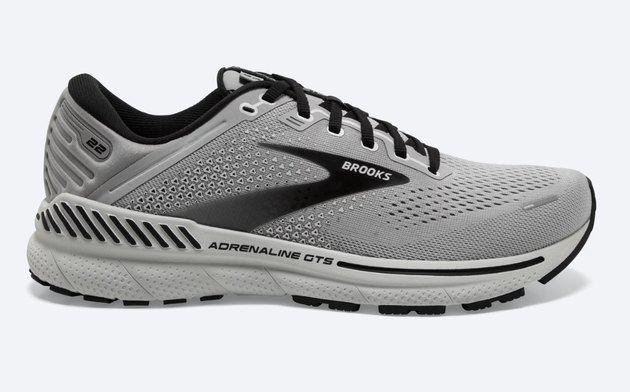
Brooks Adrenaline GTS 22
Get ultimate arch support with each running stride in these shoes.
Pros
- American Podiatric Medical Association (APMA) approved
- Supportive
- Comfortable
Cons
- The shoelaces are short, according to some reviews
A beloved running shoe in general, Brooks Adrenaline is a great option for runners with flat feet, too, thanks to what Dr. Sutera says is great stability and cushioning. This also makes it a good shoe for arthritis.
They are built to offer added support without sacrificing comfort. Not to mention the many colors, widths and sizes they are available in. This is one simply solid, everyday running shoe.
3. Dr. Scholl's Blitz Walking Sneaker
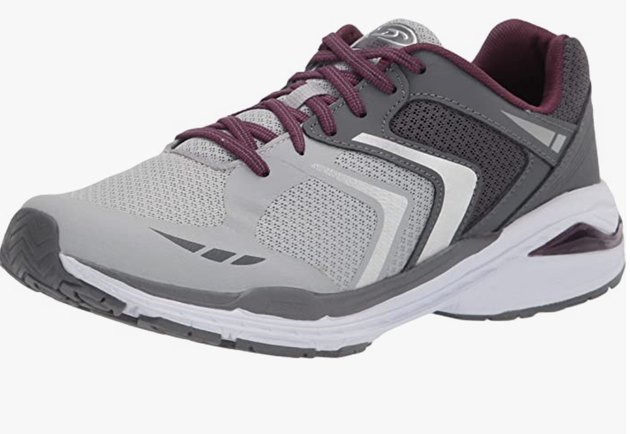
Dr. Scholl's Blitz Walking Sneaker
The padded insoles of these shoes make them perfect for all-day wear.
Pros
- Great for everyday use
- Padded insole
Cons
- Sizes run small, according to some reviews
Dr. Scholl's is synonymous with foot comfort, and their sneaker selection is no exception. Priced right at under $50, they are perfect for everyday use. Reviewers love them for their support and comfort during long periods of standing, walking or running.
They also come equipped with an ultra-padded insole for added comfort.
4. Asics GT-4000 3
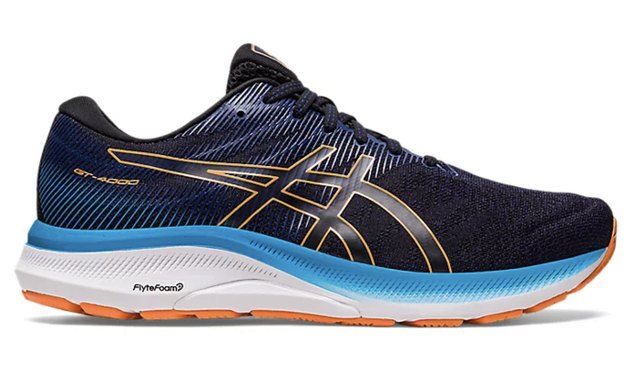
Asics GT-4000 3
The firm support and wide toe box make these great for plus-size runners.
Pros
- Firm cushion
- Wide toe box
- Arch support
Cons
- May not have enough room for custom orthotics
Those in larger bodies will appreciate the support that these Asics shoes offer on and off the running track. The firm cushion and spacious toe box make it ideal for wider-footed runners. And the arch support is great for those with flat feet.
It's also a great model for those who overpronate when they walk or run.
5. Vionic Miles II Active Sneaker or Men's Classic Walker
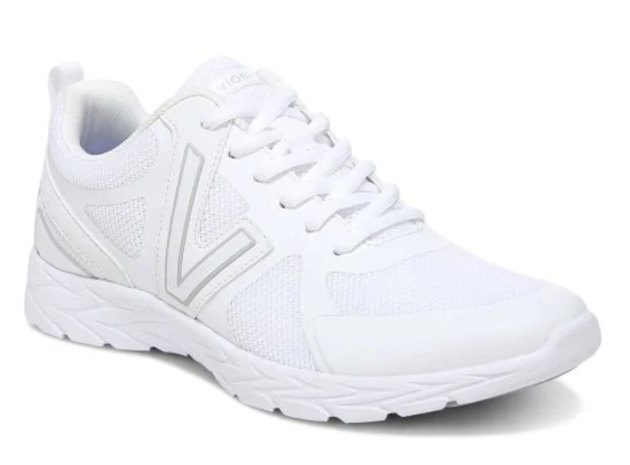
Vionic Miles II Active Sneaker
This pair is podiatrist designed, so you're guaranteed a quality fit.
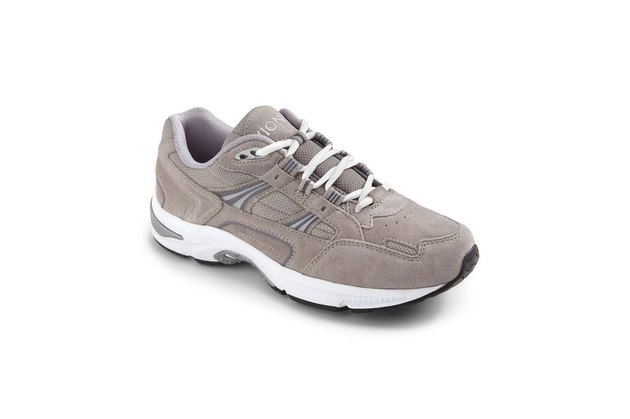
Vionic Classic Walker
The podiatrist-designed orthotics in these shoes make them comfortable for all-day wear.
Pros
- Podiatrist-designed orthotic
- Breathable
Cons
- The arches can feel stiff, according to some reviews
Vionic bills itself as "the most supportive shoes... ever," and these everyday sneakers are no exception.
The women's Miles sneakers, which are made with breathable mesh for cool-foot comfort, are also expertly designed and approved, using a "podiatrist-designed orthotic with a flexible, cushioned outsole" to round out a perfectly supportive option for flat feet.
For men, try the comparable Vionic Men's Classic Walker.
6. Brooks Ariel or Brooks Beast
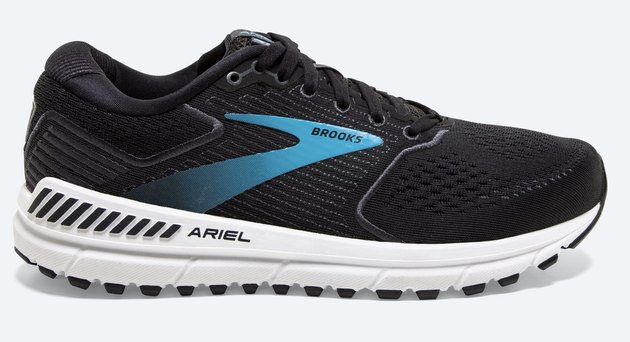
Brooks Ariel
If you need a stable shoe for your arches and ankles, these are a great pick.
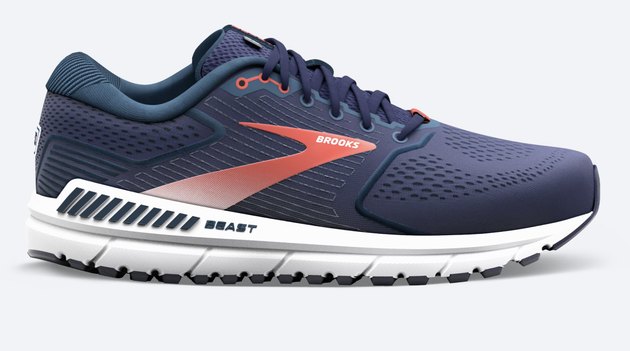
Brooks Beast
This pair offers motion control for the perfect stability when running and walking.
Pros
- Best for motion control
- Cushion
Cons
- Limited wide widths, according to some customers
Overpronation occurs when the foot rolls inward with each step. Dr. Sutera calls Brooks Ariel sneakers a favorite for people with this issue thanks to the amount of stability, motion control and cushioning.
The Ariel also wins points for its supportive fit using its GuideRails technology — they are built to lessen the impact when a foot hits the pavement and prevent excess movement.
For men, try the comparable Brooks Beast.
7. Saucony Triumph 19
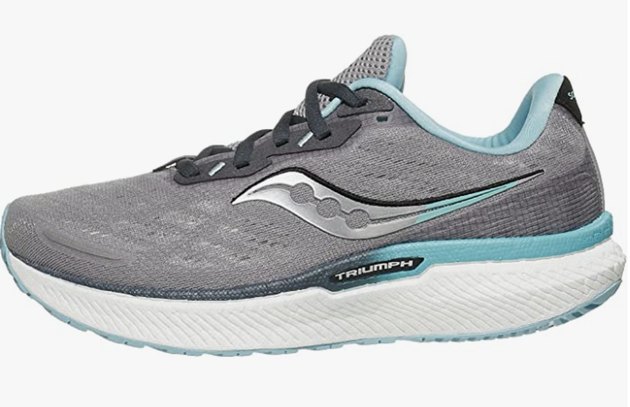
Saucony Triumph 19
A sustainable choice, this pair is made from recycled materials but still provides comfort.
Pros
- Lightweight
- Recycled materials
Cons
- Sizes run small, according to some reviews
If you are looking for a shoe that is extra-cushiony and lightweight, this pair by Saucony fits the bill. It has super plush soles and mesh for an airy, comfortable feel. Plus, there are plenty of color combinations to choose from, so you're bound to find one that matches your style.
Bonus: This style is vegan and contains recycled materials, so it's also a sustainable choice.
8. Merrell Moab 2
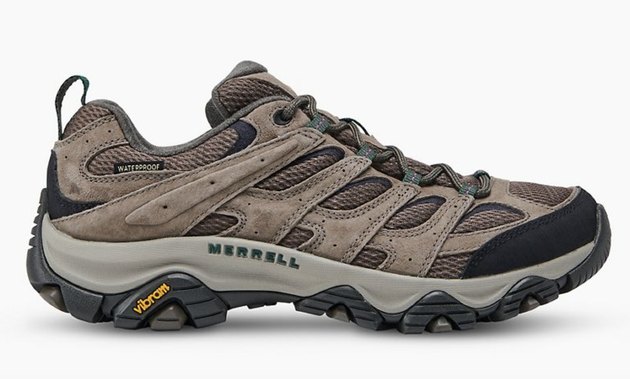
Merrell Moab 2
Gear up for your next hike with these high-quality, shock-absorbing shoes.
Pros
- Waterproof
- Shock-absorbing
- Durable
Cons
- Heavier than past models, according to some reviews
Merrells? For hiking? Groundbreaking.
There's a reason these shoes are on everyone's best-of lists, though: They're the real deal. The Moab 2 features everything you'd want out of a hiking shoe (they're waterproof, ultra-durable and breathable, to name a few) but they're also a great choice for hikers with flat feet.
"They are breathable, light and shock-absorbing, and the molded nylon adds to the stability of the shoe," Dr. Sutera says.
For a similar women's version, check out the Moab 3.
9. Vionic Tide II Toe Post Sandals
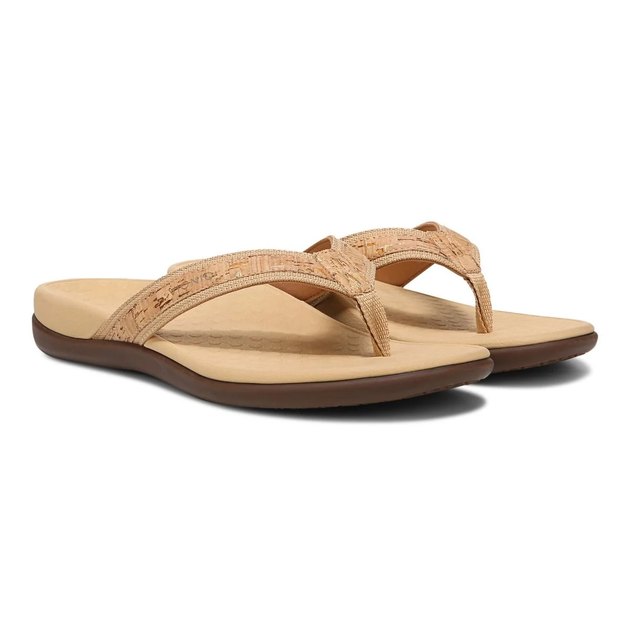
Vionic Tide II Toe Post Sandal
If you want to let your toes breathe but still get support, these sandals are right for you.
Pros
- APMA-approved
- Unisex
- Deep heel cup for support
Cons
- No half sizes
Dr. Sutera recommends the Vionic sandal, which are "made to wear for longer periods of walking and standing," she says. "They offer support, a deep heel cup and cushioning."
These sandals are also approved by the American Podiatric Medical Association (APMA) for comfort, durability and support. The unisex design is also affordable, clocking in under $70.
10. Llanes Loafer Pump
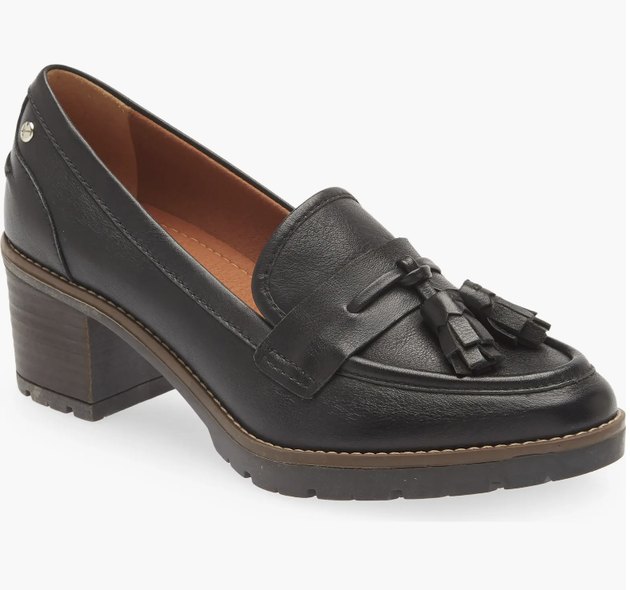
Llanes Loafer Pump
Get stylish support from these loafer pumps.
Pros
- Stylish
- Cushioned footbed
- Arch support
Cons
- Runs slightly small and narrow, according to some customers
Heels for flat feet can be hard to find. Luckily, this loafer pair by Pikolinos has a great combination of support and style. Wear them all day to work or on a night out — their cushioned footbed can form to the shape of your feet.
Plus, the two and one-quarter inch heel is just enough to give you a boost, without the risk of tripping or rolling your ankle. (Note: If you're prone to this, consider shoes with ankle support.)
11. Vionic Sadie Women's Adjustable Strap Orthotic Slippers
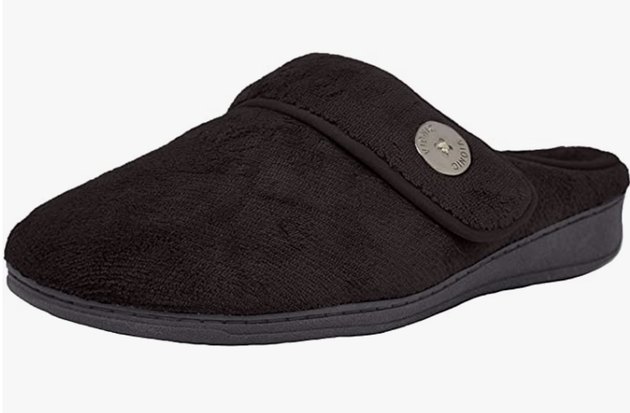
Vionic Sadie Women's Adjustable Strap Orthotic Slippers
Wear these supportive slippers around the house without compromising your foot health.
Pros
- Podiatrist-designed
- APMA approved
- Plush
Cons
- No half sizes
Orthopedic shoes for flat feet don't have to be just sneakers. You can find flat feet shoes in the form of slippers, too. This pair by Vionic is plush, offers arch support, is podiatrist-designed and received the APMA Seal of Acceptance, according to Amazon.
(And who doesn't love a cozy slipper?)
What to Look for in Shoes for Flat Feet
Before you buy a new pair of kicks, here are three things to keep in mind:
1. Arch Support
Dr. Sutera calls arch support a "must-have" for people with flat feet.
"The raised padding or elevation located on the top of insoles in shoes or orthotics helps elevate and neutralize the inside of the mid-foot," she says.
2. Durability
Because people with flat feet tend to wear down shoes faster than those with a more neutral or higher arch, it's a good idea to look for a long-lasting shoe. This is important not only because you need a better quality shoe to alleviate any issues associated with flat feet, but also to prevent you from having to spend a lot of money replacing shoes more often.
3. Metatarsal Pads
While not as crucial as support and durability, Dr. Sutera calls metatarsal pads (which put an elevation behind the ball of the foot) a "nice-to-have" feature in shoes for people with flat feet.
"This cushions, redistributes and takes pressure off of the metatarsal joints of the forefoot," she says.
Tip
In general, people with flat feet tend to wear down their shoes more regularly. So regardless of the type of shoe you buy, Dr. Sutera says it's important to monitor them for signs of wear and replace shoes more regularly than someone with a more prominent arch.
Is this an emergency? If you are experiencing serious medical symptoms, please see the National Library of Medicine’s list of signs you need emergency medical attention or call 911.