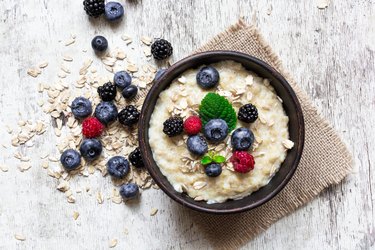
While some mucus is normal and helps your intestines efficiently and properly expel waste, large amounts of mucus over several days may indicate a more serious problem. If you eat a high-fiber diet, you might wonder if you are ...
Cachapas are a corn-based dish made in Venezuela. Cachapas are similar to American pancakes, made from ground corn batter poured into round cakes and cooked on a flat surface. However, cachapas are thicker than pancakes and ten...
Dietary fiber is good for more than just your digestive system. Eating high-fiber foods can help you lose weight by making your meals more satisfying on fewer calories while regulating your blood sugar and insulin levels. While...
This helps to prevent or ease conditions of constipation. The U.S. Food and Drug Administration considers foods with 20 percent or more of the recommended daily 25 g of fiber high in content. Consult your doctor before changing...
Heliobacter pylori, a bacterium, and nonsteroidal anti-inflammatory drugs such as ibuprofen, naproxen and aspirin cause most ulcers. High-fiber foods, such as fruits, vegetables, whole grains and legumes, are nutrient-dense foo...
Not only is this a difficult job, but it is also a job that has the potential to cause harm to the intestines. Certain dietary components provide a larger gastrointestinal value than other foods. For instance, foods containing ...
By this guideline, a 19-month old would need 6 to 7 g of fiber each day. However, add fiber to your child's diet slowly to prevent side effects. Avoid giving your child fiber supplements unless specified by your doctor; instead...
A dysphagia diet is a specialized eating plan that provides adequate nutrition. There are five levels that vary in texture and consistency. Each level includes foods you can eat most effectively. A high fiber diet is effective ...
When the digestive system is working properly, food enters the stomach, and acids and enzymes break the food down into digestible pieces. Most food then travels to the small intestine, where further digestion occurs. Some of th...
Impaction usually results from long-term constipation, which means difficulty in passing stool regularly. This problem sometimes has external causes, like certain medications, impaired overall mobility and nerve damage, but you...
Prebiotics are nutrients which support the growth of probiotics, and you can get them from a variety of healthy foods. Prebiotics do not specifically prevent or cure diseases, and the best approach is to get your prebiotics by ...
Cellulose is the chemical name for fiber, which is an important component of diet, even though it doesn't provide you with any vitamins, minerals or energy. Many foods -- especially whole foods -- contain cellulose. Fruits, veg...
Writing for the Huffington Post in January 2011, columnist Dean Praetorious described a development he referred to as the Anti-Atkins Diet. Resistant carbs or resistant starches are a part of the carbohydrate family of nutrient...
Typically, men need 38 g of fiber each day, while women only need 25 g for optimal health. Fiber is essential to waste elimination and it makes you feel fuller longer, which can help you maintain a healthy weight. Fiber also mi...
Cereal grains, including oats, wheat, corn, rice, bulgur, barley and millet, all naturally contain fiber. Whole grains, rather than refined grains, have a much higher fiber content because the refining process strips the grain ...
A high-fiber diet may also help reduce the risk of chronic illness, such as heart disease and diabetes, according to the Mayo Clinic. Beyond these health benefits, high-fiber foods can play an important role in an effective wei...
Although indigestible, fiber is important for decreasing the risk of several health conditions, including diabetes and high cholesterol. The term fiber can be associated with foods or supplements that have little or no flavor o...
Soluble fiber forms a gel-like substance when it dissolves in water. This form of fiber helps regulate blood sugar and cholesterol levels. Insoluble fiber helps food move through the digestive system and prevents constipation. ...
Plant foods are the only natural source of dietary fiber -- dairy products like milk and cheese do not have fiber. If you're trying to increase your fiber intake without adding more calcium to your diet, avoid products that may...
The Mayo Clinic recommends that men aged 50 and younger consume 38 grams of fiber per day, while women the same age need 25 grams. Among those aged 51 and older, men should consume 30 grams per day and women 21 grams. Pay caref...
Both types are important to a healthy diet. Try to get at least 25 to 35 grams of fiber each day from a variety of fiber-rich, plant-based foods. Don't forget to increase your water intake, too; high-fiber diets require at leas...
Many diet plans include restricting certain types of foods or food groups to promote weight loss. While limiting certain substances may help you lose weight, increasing your consumption of fiber may also help you drop some exce...
Dietary fiber is an important part of digestive health. An average of 25 to 30 g of fiber per day maintains bowel regularity and intestinal functions. However, if you have a slow thyroid, or hypothyroidism, prescription medicat...
Fiber is an important part of digestive health and can also reduce your risk for serious conditions such as diabetes and heart disease. Like most fruits, pumpkin contains a good dose of fiber. Adding pumpkin to your diet will h...
If you're looking to incorporate more fiber into your diet, several specific foods come recommended by doctors and nutritionists as the best fiber-rich options in the grocery store.
Eating a high-fiber diet helps keep you regular. Constipation specifically from hormonal changes is painful and uncomfortable, and choosing the right foods will keep you healthy and regular.
The American Academy of Family Physicians explains this can happen for a variety of reasons, including dehydration or diet. Fiber can help soften stool and encourage regular bowel movements. While some children may be picky eat...
The foods you feed your baby now will shape her preferences for the future. Foods high in fiber will promote a healthy heart and regular bowel habits. Keep in mind though that no daily value for fiber has been set for children ...
It's easy to get your full daily values of dietary fiber, thanks to the diversity of high-fiber foods available. Most of these items make healthy contributions to your overall diet, too, in the way of protein, vitamins and mine...
High-fiber diets have numerous advantages over mere low-calorie plans, the most significant being the health-boosting benefits. High-fiber foods also make dieting less arduous, as the fiber-laden foods digest more slowly, givin...
Primarily found in plant foods, fiber is an essential part of a healthy digestive system. You can enjoy high fiber foods, such as raw fruits and vegetables, as snacks or as part of your main meals. While fiber supplements are ...
Fiber is that part of carbohydrates that cannot be digested. There are two forms of fiber, soluble and insoluble. Soluble fiber absorbs water in your body forming a gel that aids in your digestion, while insoluble fiber cannot ...
Back in the 19th century, the American diet was naturally high in fiber, with fruits, vegetables and grains playing a prominent role in daily menus. After processed foods were introduced in the early 1900s, the average daily in...
Dietary fiber plays a vital role in your child's overall health. When your youngster swallows fruits, vegetables or grains, the partially digested food travels through her stomach and into her intestine. The sugar, water, vitam...
Fiber is found in all plants, which include fruits, vegetables, legumes, nuts and grains. Fiber is a carbohydrate that cannot be digested. Dietary fiber has a number of health benefits, but, unfortunately, most Americans do not...
Natural plant foods, such as legumes and vegetables, contain fiber, a substance that is not a nutrient and is not digestible, but which still plays an important role in keeping you healthy. Different types of natural foods are ...
MayoClinic.com reports that a fiber-rich diet can reduce your chances of suffering from constipation, as well as decrease your risk of heart disease and diabetes. Adding a variety of foods high in fiber is fairly simple and can...
The term fiber, also called bulk or roughage, is used to describe the portions of plant foods that your body cannot digest. Because your body cannot digest fiber, it moves through your digestive tract in its full form. This pro...
Even brown-colored breads on the grocery shelves may have little or no fiber. Their color may come from the addition of molasses or coloring and not fiber content. Eat a variety of high-fiber foods to benefit your health and yo...
The Institute of Medicine recommends that children and adult men and women should consume 14g of fiber for every 1,000 calories of food they eat each day. This recommendation is based on evidence from many scientific studies an...
When your youngster tries a new food, she may put a piece in her mouth only to spit it out because it has an unfamiliar taste or consistency. You may need to offer new menu items several times before your child accepts them int...
Gas, or flatus, is the result of intestinal gas passing through the anus. Up to 7 percent of Americans feel they pass gas too frequently. While there are many causes, foods that are poorly digested, including those containing s...
IBS is not caused by a specific disease or structural abnormality, although interacting factors, such as emotional stress, pain, hormones and allergies may play a significant role. People with irritable bowel syndrome are often...
Fiber influences how nutrients affect the brain, so feeding your child a breakfast that contains bran will help your child learn and behave better in class. To receive benefit from the nutrients in wheat, select products or pre...
A diet that includes fiber can also prevent digestive problems like constipation. Fruits, vegetables and whole grains are some of the best and most nutritious foods to include in your breakfast to start your day with a healthy ...
Several high fiber organic foods are available.
Insoluble fiber helps regulate the digestive system, preventing constipation and other digestive upsets. It passes through the digestive tract more quickly than soluble fiber. A common side effect of a high-fiber diet is intest...
Diets high in fiber protect gastrointestinal health, prevent constipation and may reduce cholesterol levels in some people, says "Contemporary Nutrition." Foods high in fiber can easily be incorporated into most meals and snack...
With 12 g of fiber per half cup, wheat bran may be one of the most fiber-rich foods you can eat. That half cup holds 48 percent of the recommended daily fiber intake of 25 g for women, and 32 percent of the recommended intake o...
You will move from a liquid to a soft diet over several weeks, before finally being prescribed a regular maintenance diet. You may need extra protein and more of the dietary fiber that assists digestion. A commonly prescribed d...
There are many conflicting studies on whether high fiber foods prevent colon cancer and breast cancer. The University of Maryland Medical Center says most large studies find only a small association between fiber intake and col...
Fiber is an essential nutrient for your child because it regulates his digestive system and can help prevent gas, bloating and constipation. Introduce a variety of high-fiber foods into your child's diet to discover some that h...
High-potassium, high-fiber foods are better for most people than foods low in potassium, fiber or both. However, "people with poor kidney function generally must avoid foods high in potassium," according to The Merck Manual of ...
Eating high-fiber foods promotes regular bowel function, but eating too much of those foods without adequate fluids and physical activity can have the opposite effect. If you've been eating a low-fiber diet, increasing your fib...
You can have more control over your diabetes by eating foods containing fiber. More than 24 million people in the United States have diabetes, according to the Centers for Disease Control and Prevention. Diabetes is a condition...
Dietary fiber is the indigestible portion of plant foods. Though it does not contain any nutritional value on its own, fiber does alter the way in which other nutrients and chemicals are absorbed. It is also one of the most chr...
According to Mayo Clinic gastroenterologist Dr. Michael Picco, the benefit of colon cleansing is to remove toxins from your gastrointestinal tract can cause a variety of health problems, such as arthritis, allergies and asthma....
Insoluble fiber bulks food and allows it to pass through the stomach and intestines more quickly. Insoluble fiber may also decrease cardiovascular disease risk. The American Heart Association recommends a total of 25 g of fiber...
Carefully read the labels of processed foods that tout a high fiber content. Although meeting your fiber needs is important, added sugar, sodium and fat can sabotage your healthy ambitions. The quality of the fiber in processed...
Eating a diet with high fiber and lean protein foods can help you win the battle to lose or maintain your healthy weight. Both foods are part of the USDA's Food Pyramid. The Food and Drug Administration says most Americans do n...
A diet high in fiber is also believed to help reduce your risk for developing heart disease, diabetes and certain types of cancer. Fiber is found naturally in a number of different foods and liquids. If you are interested in in...
It's important to read ingredient labels and make sure the frozen meals you purchase are healthy and free of too many preservatives. If you are following a high-fiber diet, which is often prescribed to reduce constipation and l...
High fiber foods are a healthy alternative to foods that cause heartburn. Foods that are rich in fiber also provide protection from stomach acid backup. Heartburn usually strikes after a meal and produces a painful sensation in...
Many diabetics must count and limit the amount of carbohydrates they eat in order to keep blood sugar levels within a safe range. Of the two types of carb foods, you can eat more of those with significant fiber content than tho...
It comes in two forms: soluble fiber can be partially dissolved in water, while insoluble fiber cannot. The average American only consumes approximately 15 g of fiber per day in his diet. However, the daily recommended intake f...
Fiber is an indigestible form of carbohydrate that enhances digestive function, cardiovascular health, blood sugar balance and weight management. Fiber-rich foods are derived from plants and include fruit, vegetables, whole gra...
Fresh foods provide both insoluble and soluble fiber. Insoluble fiber provides bulk to bowel movements and helps move foods through the digestive tract. Soluble fiber attracts water and helps resolve diarrhea. Both should be in...
The term "fiber" refers to insoluble carbohydrates in dog food that resist small intestinal enzymatic digestion. To increase your dog's dietary fiber, Organic Pet Digest suggests you buy and feed high-quality, organic, high-fib...
Plaque buildup can increase your chances of suffering a heart attack or stroke. Lowering your cholesterol is important in preventing cardiovascular disease and stroke, and eating high-fiber foods can help you to achieve that goal.
Fiber is a complex carbohydrate that the body cannot digest. Fiber plays a number of important roles in the body and current dietary recommendations are 14g of fiber for every 1,000 calories consumed. For an average 2,000-calor...
Goodbye Atkins diet! Trendy, high protein diets are not sustainable and can result in long-term negative health effects. Instead, eating an abundance of high fiber foods can assist in weight loss by providing satiety, reducing ...
Fiber, together with adequate fluid intake, is essential for a healthy digestive tract. Fiber lowers cholesterol; reduces the risk of heart disease, colon cancer, and diabetes; eases constipation and diverticulosis; and promote...
The Centers for Disease Control and Prevention (CDC) encourages individuals to get a daily total of 14g of fiber per 1,000 calories. One way to start, the CDC recommends, is to choose foods made with whole rather than processed...
When regular diets need overhauls or health conditions arise, super high-fiber food sources offer quick fixes. Efficient digestion and checks on blood sugar and blood cholesterol depend on adequate dietary fiber each day. Docto...
These pockets can also fill with fecal waste and become inflamed or infected. Although the exact cause of diverticulosis is unknown, it may be caused by a lack of dietary fiber. High-fiber foods may lessen or prevent inflammati...
Fiber is one of three types of carbohydrates found in foods. It is significantly healthier for you than simple carbohydrates and complex carbohydrates, also known as sugars and starches, because it reduces your risk of many dis...
Diverticulitis patients shouldn't eat high-fiber foods while experiencing symptoms, but they may begin consuming them again afterward. This inflammatory condition of the colon may be caused by a deficiency of dietary fiber. Har...
There are two forms, soluble and insoluble. Soluble fiber attracts water, slows digestion and lowers cholesterol. It is in oat bran, nuts, seeds, beans, lentils and some fruits and vegetables. The fiber in wheat bran, vegetable...
High-fiber foods do not have to taste like cardboard. High-fiber foods can be natural foods that taste good and are already in your everyday diet. A good goal is to eat at least 25 g of fiber a day because fiber promotes weight...
People with diabetes need to control the amount of carbohydrate they consume to help control blood sugar. However, fiber is a type of carbohydrate that does not affect blood sugar. Fiber in food is not digested and therefore ca...
Fiber also has the ability to help lower the risk of diabetes and heart disease. Many fruits and vegetable are high in fiber but are also perishable and may require cooking or preparation prior to consumption. A number of prepa...
Dietary fibers are the indigestible parts of plants that reduce cholesterol levels by absorbing cholesterol in your intestines. Fiber also slows down nutrient absorption to prevent high glucose levels, provides bulk in your fec...
Dietary fiber, also called roughage or bulk, does not digest or absorb into the body. Instead, it passes through the stomach and intestines relatively intact. Dietary fiber lowers blood cholesterol, helps control blood sugar, a...
High-fiber content adds nutrition from everyday foods to a daily diet. Humans need insoluble fiber for digestion and soluble fiber to maintain healthy cholesterol levels. Choosing foods with an abundance of additional nutrients...
Though fast foods offer a convenient meal, they're sometimes lacking in healthy substances. For example, many fast food items are low in fiber. Your body needs fiber for proper digestion, and it also helps keep you feeling full...
Increasing your fiber intake can reduce your risk for heart disease, type 2 diabetes and can also improve your digestive health. Some foods high in fiber include whole-grain foods, beans, fruits and vegetables. Eating more of t...
Fruits, vegetables, legumes, nuts and grains all contain fiber, but some offer more nutrients per serving. A high-fiber diet helps to regulate cholesterol, sugar levels and bowel health. When adding fiber to your diet, the Mayo...
Fiber is the substance in plants that cannot be digested by the body. According to Jackson Siegelbaum Gastroenterology, high fiber foods such as whole grains and fresh fruits and vegetables are integral parts of most weight los...
Benefits of adequate fiber intake include regular bowel movements, improved digestion, increased absorption of nutrients, reduced incidence of gastrointestinal problems and reduced risk for obesity, diabetes and heart disease, ...
Adequate consumption of fiber helps you maintain colon health by reducing constipation, hemorrhoids and other gastrointestinal diseases, according to a fact sheet provided by the Nutrition Department for the University of Calif...
Some carbohydrates are released into the body quickly while others are released more slowly. According to the International GI Database, foods with a GI value of 55 and under contain slow-releasing carbohydrates and are classed...
Though occasional constipation is normal, recurrent or severe constipation may indicate a digestive condition. According to the National Digestive Diseases Information Clearinghouse, a nutritious diet that provides 20 to 35 g o...
During the digestion process, small pieces of food may become stuck in the diverticula, which results in inflammation known as diverticulitis. It occurs most often in the colon, specifically the sigmoid colon. According to Medl...
Increasing your intake of dietary fiber might help treat gastrointestinal disease, high cholesterol, heart disease, diabetes and constipation, according to the University of Maryland Medical Center. You should consume 25 to 35 ...
Unlike soluble fiber, insoluble fiber does not dissolve in water and aids in digestion. Also referred to as roughage, coarse fiber helps move waste through the intestinal tact. There are quite a few foods that contain significa...
Calcium serves crucial functions for strong bones and teeth, muscles, nerves, cardiovascular health and blood pressure. Your daily needs for calcium increase as you age, ranging from 210 mg at birth to 1,200 mg if you are over ...
Fiber is not digested by the body but provides the bulk that maintains regular bowel movements. Fiber is commonly found in foods that require a certain amount of chewing before they can be swallowed. If you are having difficult...
Fiber represents one type of carbohydrate that has several nutritional benefits. Soluble fiber and insoluble fiber help the digestive system process foods and may decrease the risk for certain types of disease. Some foods conta...
The body needs fat to protect the vital organs, absorb fat-soluble vitamins and minerals, and perform other necessary functions. Harvard University School of Public Health recommends selecting foods that contain unsaturated fat...
High-fiber foods generally have five or more grams of fiber per serving. Eating a diet with sufficient fiber offers several potential benefits, including protecting against colon cancer, lowering LDL or bad cholesterol and help...
The website Keep Kids Healthy reports that a high fiber diet can treat and prevent this condition in babies. Breastfed babies are less likely to become constipated because breast milk is easily digested. However, once babies be...
A diet high in fiber helps regulate bowel movements and may decrease your risk of heart disease and diabetes, according to MayoClinic.com. Adult men need 30 to 38 g of fiber a day, and adult women need 21 to 25 g. When adding f...
The health benefits of fiber include protection against heart disease, cholesterol reduction and better digestion. This carbohydrate makes it easier for food to pass through the digestive system and eliminate solid waste from t...
It is a complex carbohydrate and when passed through the digestive system it remains essentially unchanged. Eating foods with a high-fiber content is an excellent way to help weight loss, as fiber-rich foods will help you to fe...
The soluble form of fiber attracts water and turns into a gel-like substance, slowing down the digestive process. Insoluble fiber makes it easier to eliminate waste and helps food pass quickly through the digestive system. Harv...
It is the group that unveiled the truth behind movie theater popcorn and restaurant food. CSPI also provides the public with information about healthy eating, including information about foods high in fiber.
Dietary fiber includes water soluble fiber and insoluble fiber, according to MayoClinic.com, soluble fiber becomes a gel-like material when in contact with water. It can lower cholesterol levels by absorbing it in the digestive...
Fiber comes in two forms, soluble and insoluble, both of which provide multiple health benefits. According to the Mayo Clinic, men and women should consume between 21 and 38 grams of fiber daily. A high-fiber diet should includ...
High-fiber foods offer major pluses, according to the Mayo Clinic. These foods not only keep your digestive tract healthy, but they also help lower your blood pressure and cholesterol level. It may sound daunting to add fiber t...
Less cholesterol in your bloodstream decreases the chance of cholesterol collecting and clotting in and around your arteries. If you are trying to lower your cholesterol it will help to increase your consumption of foods that h...
A high-fiber diet can be beneficial for your health. It helps to maintain bowel health and reduces the risk of diabetes and heart disease. A high-fiber diet can help you maintain healthy weight. For most people, 25 g to 35 g of...
According to MayoClinic.com, women should consume at least 21 to 25g of fiber a day and men should eat 30 to 38g a day. Diets that are high in fiber show lower rates of cancer, notes HelpGuide.org. Also, high fiber reduces the ...
If you're looking to get more fiber in your diet, you don't have to choke down prune juice. Although prunes are high in fiber, a variety of foods are both high-fiber and delicious. Fiber helps lower cholesterol, prevents consti...
Eating a diet high in fiber can reduce your chances of developing diabetes and heart disease, according to the Mayo Clinic. These foods also help the digestive tract to function smoothly. Along with consuming adequate fiber, d...
Office of Dietary Supplements. Meanwhile, MedlinePlus reports that dietary fiber aids in digestion and can have other beneficial effects, such as reducing cholesterol. Some foods have both fiber and iron, combining these two nu...
High fiber foods fill you up and prevent overeating or snacking between meals. In addition, high fiber foods help prevent constipation, lower cholesterol, and prevent diabetes and heart disease, as reported by KidsHealth. Accor...
The Weller Education Center explains that dietary fiber is found in fruits, vegetables and grains. When a baby is first learning to eat solid foods serving sizes aren't as closely monitored, but giving a baby a high-fiber food ...
Eating foods that are high in dietary fiber is an effective way to stay full and lose weight. High fiber foods take longer to digest, so they leave you feeling fuller for a long period of time according to MayoClinic.com. The k...
Fiber comes from the indigestible part of plant foods such as cereals, grains, seeds, nuts, beans, vegetables and fruit. Also referred to "roughage" or "bulk," fiber may be classified as either soluble and insoluble. By passin...
A high-fiber diet promotes good bowel and colon health. Fiber also may reduce your risk for diabetes and heart disease. According to the Mayo Clinic website, the recommended daily fiber intake for women is 21 to 25 grams per da...
If your toddler's favorite foods are cheese, peanut butter and milk, he may not be getting adequate fiber. Although it might be difficult to get your child to eat foods that contain fiber, especially if he is a picky eater, get...
Most fruits and vegetables contain fiber, as do whole grain breads, oatmeal and brown rice. Although eating plenty of fiber is essential for the health of your gastrointestinal tract, factory processing removes the fiber from m...
The good news for anyone following a wheat-free diet is that finding suitable high-fiber foods is not as difficult as you may think. Other plant-based foods have plenty of fiber.
Though it is not physically digested, it can be metabolized by bacteria in the large bowel. Some of the health claims for fiber have good foundations, but others have been over-stated at best, and hypothetical at worst. That s...
Both soluble and insoluble fiber contribute to the health of your digestive system, and MayoClinic.com suggests women consume 21 to 25 g and men 30 to 38 g of fiber per day. A diet high in fiber may help prevent diabetes, obesi...
Fiber is a carbohydrate that cannot be digested. It is present in all plant-based food, including fruits, vegetables, legumes, seeds, nuts and grains. A high-fiber diet is associated with lower risks of colon cancer, heart dise...
Eating a fiber-rich diet can help improve your health and keep your body functioning regularly. According to the Family Doctor website, eating adequate amounts of fiber can help treat constipation, hemorrhoids and diverticuliti...
Most dietary carbohydrates provide four calories per gram, but fiber is a type of carbohydrate that your body does not break down. High fiber and carbohydrate foods can be healthy because they are often rich in other nutrients.
The U.S. Department of Agriculture defines whole grains as grain products that aren't processed or refined. Refining grain products strips them of many valuable nutrients, including fiber. Thus, whole grains are typically a bet...
Celiac disease, an auto-immune condition in which the body can't digest gluten, can cause diarrhea, vomiting, anemia and malnutrition. Many high fiber foods, such as oatmeal and whole wheat, contain gluten. Eliminating these so...
Unfortunately, processing strips foods of many nutrients. Although food manufacturers fortify their products in order to return some of the missing nutrients, the U.S. Department of Agriculture notes that foods cannot be enrich...
Dietary fiber is the part of food that's not digestible. This includes both insoluble and soluble fiber. Fibrous foods are beneficial for a variety of reasons. For example, eating fiber can help you feel full longer, thus poten...
Luckily, you can find other ways to get your kid to eat the fiber that he needs each day. Dr. William Sears notes that fiber regulates blood sugar, keeps your child feeling full and aids in digestion, so try a few kid-friendly...
According to the American Dietetic Association, not only do fiber-rich foods promote regularity and intestinal health, they reduce cholesterol, stabilize your blood sugar and prevent heart disease. Because your body digests and...
High fiber foods help your child's digestion and they are filling enough to reduce his chances of overeating, according to KidsHealth, a website of the Nemours Foundation. They can also help protect your child against gut cance...
Teaching your child to poop in the toilet is one of the most challenging and frustrating experiences as a parent. Sometimes, if your child is resistant to pooping in the toilet, he is in what pediatrician Dr. Alan Greene calls ...
It is considered bulk or roughage because the body does not break down and digest fiber as it does other nutrients, according to MayoClinic.com. Natural foods that are high in fiber have been shown to be beneficial to health by...
Diverticulitis is an intestinal disorder that occurs when pouches in the intestine become inflamed and infected. Symptoms include abdominal pain, bleeding from the rectum, bloody stools, fever, nausea, vomiting, diarrhea, const...
It also helps with weight loss and lowering cholesterol. You are likely to get adequate fiber in your overall diet if you start your day with a healthy, fiber rich breakfast. Not all breakfast foods are high in fiber, so choo...
A healthy diet includes 20 to 30g of high fiber foods daily, according to University of Iowa Health Care. A serving with 5g or more is considered high in fiber, while good sources have 2.5 to 4.9g, as explained by the National...
A healthy diet often includes foods that are high in protein and high in fiber. Protein helps you to feel fuller for a longer amount of time, making it a good diet food. It is also important to the body for a variety of other r...
Water-soluble fiber helps to lower cholesterol levels, reports the Colorado State University Extension Center. Fiber is primarily found in vegetables, fruits, nuts, beans and grains. Protein is an important dietary food because...
It can also be caused by a lack of physical activity, medications, specific diseases or a host of other factors, explains the National Digestive Diseases Information Clearinghouse. Being constipated is not fun nor is it healthy...
High-fiber foods are one of the many "health foods" promoted by today's experts. Much evidence shows that a diet high in fiber promotes a healthy heart and digestive tract, and helps prevent chronic diseases, such as heart dise...
The Quantum Wellness 21-Day Cleanse is a diet very high in fiber. The diet consists of fruits, vegetables, whole grains, beans, lentils and nuts. MedlinePlus recommends eating 20 to 35 g of fiber each day. A person on the Quant...
Fiber is an important part of a healthy diet. Most Americans don't eat enough fiber and this can have real health consequences. One common consequence of a low-fiber diet is constipation or the presence of hard stools that are ...
The watery stool, abdominal cramps and frequent urge to defecate that characterize diarrhea can be healed with high-fiber foods. Plant fiber or roughage not only absorbs extra water that occurs in diarrhea, it also bulks to dis...
They're important for correcting disorders of the colon to keep it functioning normally. Consuming adequate amounts of fiber is an important part of promoting digestive help, especially in preventing constipation. Several high-...
It can be acute from viral, parasitic or bacterial infections or chronic from inflammatory bowel disease or irritable bowel syndrome. Foods high in fiber (bulk or roughage) can help regularize bowel movements by clearing the in...
Adding high fiber, calorie-controlled snacks to your day may offer health benefits such as weight control, filling nutrient gaps, enhancing energy, helping maintain mental function and keeping blood sugar levels steady. High fi...
A diet high in fiber will keep you regular, cleaning your digestive tract and flushing toxins out of your body. Additionally, fiber rich diets ward off diseases such as diabetes, heart disease and inflammation of the intestine...
In addition to keeping the digestion system regular, it helps fill you up with fewer calories. The American Dietetic Association recommends eating 20 to 35g of fiber a day to look and feel your best. However, most Americans ...
Men should consume about 30 grams of fiber a day, while women need about 25 grams. According to Harvard's Public School of Health, most Americans consume about 15 grams of fiber a day. Fiber helps you maintain a healthy weight...
If the pouches get irritated or blocked, they can bleed or become infected, which is called diverticulitis and can lead to lengthy hospital stays.
For years, physicians have recommended that their patients with diverticulosi...
What is also important? High fiber foods. High fiber foods will allow you to feel full and eat less and it will also move the food through your digestive tract to contribute to a sense of well-being.
Whether your goal is wei...