There are about as many different types of teas as there are claims about what those teas can do for you. So many, in fact, that trying to figure out which health benefits of tea are legitimate and which are too good to be true can get pretty overwhelming.
That's what this article is for. We've done the extensive research so that you can sip on your favorite tea knowing for sure what it is — and isn't — doing for your health.
Video of the Day
Video of the Day
First, the basics: Different varieties of tea offer different potential health benefits. "True" teas — black, green, oolong, pu-erh and white— are made from a plant species called Camellia sinensis.
There are two main varieties of this species, according to the North Carolina State extension:
- Camellia sinensis var. sinensis, which originates in China and can stand up to colder temperatures
- Camellia sinensis var. assamica, found in northern India, which has larger leaves and grows best in warmer climates
Different growing locations and processing techniques give us different teas with a wide range of chemical and medicinal properties; however, these tea types do share some beneficial qualities (whether you drink them hot or cold), including:
- Antioxidants: These substances can help prevent or delay cell damage caused by unstable molecules called free radicals, which may in turn help reduce the risks of certain diseases, according to the U.S. National Library of Medicine (NLM). The plant compounds in tea that act as antioxidants include:
- Polyphenols
- Flavonoids
- Catechins
- Caffeine: True teas are naturally caffeinated, which can be both a benefit and a drawback. Caffeine can help keep you alert and attentive, according to the NLM. But too much caffeine can lead to unpleasant side effects, such as headaches, sleep problems, GI issues, irritability and an irregular heartbeat, per the NLM, which recommends drinking fewer than five cups of caffeinated tea per day. For those who are sensitive to caffeine, you can find decaf versions of most teas.
- Hydration: Along with plain water, and water-rich foods, tea helps you stay hydrated.
True Teas vs. Herbal Teas
A tea only counts as "true tea" if it's made from the Camellia sinensis plant, according to the Harvard T.H. Chan School of Public Health. A "tea" made from any other plant — including herbs, flowers, fruits, roots or spices — is actually called a "tisane" and can have widely different health benefits. In this article, we only cover the health benefits of true teas: black, green, oolong, pu-erh and white.
Keep scrolling for an in-depth breakdown of the five true teas and their health benefits. Note that tea is not a replacement for medical treatment.
Comparing the 5 True Teas
Tea | Camellia Variety | Caffeine Content per Cup | Water Temperature | Steeping Time |
|---|---|---|---|---|
Black | Assamica | 47 mg | 203-212 F | 3-5 min. |
Green | Sinensis | 25 - 29 mg | 158-176 F | 2-3 min. |
Oolong | Sinensis | 38 mg | 176-194 F | 2-3 min. |
Pu-Erh | Assamica | Varies | 212 F | 5 min. |
White | Sinensis | 15 mg | 180-185 F | 2 min. |
Black Tea Benefits

Black tea is the most popular type of tea, per the Harvard T.H. Chan School of Public Health. It's also the tea with the most caffeine: An 8-ounce cup of brewed black tea has 47 milligrams of caffeine, per the Mayo Clinic. That's about half as much caffeine as a cup of coffee, which has 96 milligrams.
It's typical for black tea to be made from the assamica variety, per the 2019 book Medicinal Foods as Potential Therapies for Type-2 Diabetes and Associated Diseases, but the leaves from any Camellia plant can produce it.
It's the tea-making process — not the specific plant variety — that dictates the type of tea. To make black tea, the Camellia leaves are picked, dried and rolled, per the Tea Association of the U.S.A. Air exposure causes oxidation, changing the leaves from green to brown, per a June 2014 article in Current Pharmaceutical Design. This process is known as fermentation, and it affects the tea's flavors as well as the compounds it contains.
The oxidation process gives black tea theaflavins, a specific type of polyphenol with antioxidant properties, according to a September 2017 paper in European Food Research and Technology.
Your at-home brewing technique — from how long you let your tea steep to the temperature of the water — also affects the antioxidants found within your cup.
Here are some of black tea's potential health benefits, as well as some claims with very limited evidence.
Keeps You Alert (Strong Evidence)
There's a reason people often drink black tea in the morning (think: English breakfast, Irish breakfast). As with any other beverage with caffeine — coffee, soda and so on — black tea will help you stay alert and focused, according to the NLM.
Tied to Better Heart Health (Strong Evidence)
People who drink black tea may be less likely to have a heart attack or to die if they do have one, per the NLM.
One large study of nearly 500,000 people in China found that drinking tea daily was associated with a lower risk of heart disease, per January 2017 findings in Heart. Another of more than 100,000 people came to the same conclusion in January 2020 in the European Journal of Preventive Cardiology.
These perks for your ticker may be due to the way tea affects heart health risk factors. For instance, drinking tea is tied to less of an age-related decrease in HDL cholesterol (that's the good kind), per a June 2018 study in the Journal of the American Heart Association. (But green tea had more of an effect than black.)
More research is needed to know if black tea reduces total cholesterol and LDL (aka "bad" cholesterol) levels, according to the NLM.
Helps With Low Blood Pressure (Some Evidence)
Black tea may help increase blood pressure in people with low blood pressure, per the NLM, likely due to the tea's caffeine content.
Linked to Lower Rates of Osteoporosis (Some Evidence)
Drinking black tea may benefit your bones. In a November 2018 study in Osteoporosis International, researchers compared a baseline measure of bone mineral density and a measure around a decade later for 20,000 people. They found drinking tea was linked to better scores in women, but not men (that's the terminology used in the study).
A December 2017 Medicine systematic review and meta-analysis that examined 17 studies came to a similar conclusion: Tea drinkers were less likely to develop osteoporosis.
Drinking black tea was also linked to a lower risk of fracture-related hospitalizations in older women, according to an August 2015 study in The American Journal of Clinical Nutrition. Researchers credit this effect to the flavonoids in black tea.
Associated With a Lower Rate of Ovarian Cancer (Some Evidence)
There may be a connection between drinking tea and a lower risk for ovarian cancer, according to a March 2018 Carcinogenesis systematic review and meta-analysis of 14 studies. Ovarian cancer risk fell as non-herbal tea intake increased. That relationship was stronger for green tea than black tea. More research is needed to understand what's behind this association.
With other cancers, research is inconclusive, per the National Cancer Institute. While animal studies of tea have shown promise for preventing tumors, human studies haven't been so decisive. Early research suggests that drinking black tea may be linked with a reduced risk of pancreatic, prostate and kidney cancer, according to the NLM.
Linked to Lower Rates of Parkinson's Disease (Limited Evidence)
In a March 2019 Neurology Asia systematic review and meta-analysis, drinking tea was associated with a lower risk of developing Parkinson's disease, a nervous system disorder that affects a person's movement, according to the Mayo Clinic.
But this connection may be stronger when people drink non-black tea, the authors note. More studies that call out the specific type of tea are needed.
Tied to Lower Stroke Risk (Limited Evidence)
Getting plenty of flavonoids — like those in black tea — may be linked to lower chances of having a stroke, per the NLM, but more research is needed.
To dig into the connection, researchers followed nearly 75,000 people in Sweden who did not have heart disease for around a decade in a March 2013 Annals of Epidemiology study. They found that drinking four or more cups of black tea a day was associated with a lower risk of stroke.
Black Tea Varieties
There are many varieties of black tea available. You can purchase tea bags to brew your own cup — hot or iced — or buy prepared black tea with many flavors, such as:
- Bergamot tea: Typically known as Earl Grey tea, this drink is made from essential oil from bergamot oranges, according to the National Cancer Institute (NCI), which are combined with black tea. Bergamot tea has a distinctive smell that may help lift your mood as you drink. Smelling the essential oil improved positive feelings in one small May 2017 study in Phytotherapy Research.
- Assam tea: Named after the Assam region of northeast India, the world's largest tea growing region, per the Indian Tea Association, this tea has a strong, tart and malty taste, and a reddish-brownish color. Assam is used in many teas, including English and Irish breakfast.
- Peach-flavored black tea: Readily available as both tea bags and bottled cold drinks, peach black tea has a very similar nutritional profile to regular black tea. But bottled peach tea often contains a significant amount of sugar or artificial sweetener, which can change the beverage's nutritional makeup. For example, 12 ounces of Gold Peak Peach Iced Tea contains 112 calories, 30 grams of carbohydrates and 29 grams of sugar, according to the USDA. The same amount of plain black tea contains 3 calories and no carbs or sugar.
- Chai: Chai is a combination of spices with tea and milk (you can use dairy milk, or opt for dairy-free options) that makes a delicious beverage. The word "chai" means "tea" in Hindi (from the word "cha" in Chinese), so saying "chai tea" is technically redundant, according to Teatulia Organic Teas. Chai comes from Ayurvedic medicine, and recipes for the drink vary greatly from one family — and one region — to another, according to the Pacific College of Health and Science. Chai is typically made with black tea but can also be made with green. Ingredients in chai include:
- Cardamom
- Ginger
- Cloves
- Cinnamon
- Black peppercorns
- Vanilla
- Nutmeg
- Mace
- Star anise
- Fennel
- Bay leaf
- Allspice
- Saffron
- Coriander
- Cumin
Tip
Many of the ingredients commonly found in chai — such as ginger, fennel and cinnamon — may help with digestion, according to the Pacific College of Health and Science. Others are rich in antioxidants.
Black Tea Brands to Try
Black Tea Brewing Tips
The basics of brewing black tea (or any tea, for that matter) are simple: Pour hot water over tea leaves, either in an infuser or tea bag. But the temperature and brewing time can make a difference to the taste of your drink.
Your water should be between 203 and 212 degrees Fahrenheit. Then, steep (or soak) your tea for 3 to 5 minutes, per the Dilmah School of Tea.
Other tips for a good cup of black tea, according to the Tea Association of the U.S.A., include:
- Use a ratio: For each 1-cup serving, use a single teabag or teaspoon of loose tea leaves.
- Use a teapot: Fill it with hot water beforehand, then pour that out before adding tea and boiling water for the best taste.
The Takeaway on Black Tea Health Benefits
Current research has only found associations, not direct cause-and-effect relationships, between drinking black tea and improved health outcomes. That said, links have been found between black tea and fewer broken bones, improved low blood pressure and lower rates of heart attacks, ovarian cancer, osteoporosis and Parkinson's disease. Smelling the essential oil of Bergamot tea — a popular type of black tea — was linked to improved mood in one small study.
Green Tea Benefits
If you're not a fan of coffee but need help getting through a midday energy dip, green tea is a smart sip. While it doesn't contain as much caffeine as coffee or black tea, is has enough to provide an energy boost.
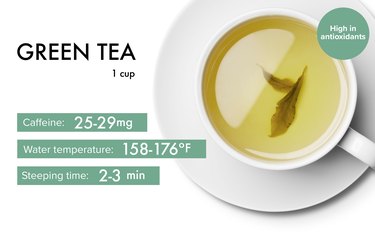
A standard 8-ounce cup of green tea has about 25 to 29 milligrams of caffeine, which is only about two-thirds the amount of caffeine in black tea (47 milligrams) and only about one-fifth the amount of caffeine in coffee (96 milligrams), according to the Mayo Clinic.
Green tea typically comes from the Camellia sinensis var. sinensis variety, per Kew Gardens. The drink's color is a result of the process used to make it, not the specific plant variety. Unlike black and oolong tea, green tea does not undergo a fermentation process, according to the Harvard T.H. Chan School of Public Health.
Because the tea leaves aren't exposed to air, they don't oxidize and the green hue remains. That also means green tea has more polyphenols and antioxidant properties than black tea, per a June 2020 review in Animal Nutrition.
In particular, green tea is known for containing catechins, per a November 2016 study in Food Science & Nutrition, including:
- Epicatechin (EC)
- Epigallocatechin (EGC)
- Epicatechin gallate (ECG)
- Epigallocatechin gallate (EGCG)
The catechins mentioned above, as well as flavonoids and other compounds, are important, because they're likely responsible for many of green tea's health benefits.
Whatever variety or brand you prefer, green tea boasts notable health benefits. While people often enjoy this beverage hot, you can also drink green tea cold; the perks remain regardless of temperature.
Here are some of the potential health benefits of green tea.
Keeps You Awake and Focused (Strong Evidence)
Drinking green tea won't replace the jolt you'd get from an espresso, but that cup still delivers a significant amount of caffeine. As with any caffeinated beverage, drinking green tea can help you stay alert, per the National Center for Complementary and Integrative Health (NCCIH).
Fights Inflammation (Some Evidence)
Green tea is thought to have anti-inflammatory properties due to antioxidants, especially catechins. The drink has been researched for helping manage diseases affected by inflammation, including different types of arthritis.
The EGCG in green tea may block some types of inflammatory cells, according to the Arthritis Foundation. It may also improve symptoms in people with inflammatory bowel disease, according to Mount Sinai.
Supports Memory (Some Evidence)
An October 2017 review of 21 studies in Phytomedicine found that the combo of caffeine and a compound called l-theanine in green tea is tied to helping reduce anxiety and improving memory and attention.
One small study in the June 2019 issue of Aging suggests the tea may protect against age-related cognitive decline, and in a May 2014 PLOS One study, drinking green tea was associated with a reduced risk for cognitive decline but not for coffee and black-tea drinkers, but more research needs to be done in this area.
Promotes Heart Health (Some Evidence)
"Some research suggests that there's a reduced risk for heart disease in populations where green or black teas are consumed regularly," May Zhu, RDN, LDN, founder of Nutrition Happens, tells LIVESTRONG.com.
It's possible that drinking green tea helps lower cholesterol and triglyceride levels (risk factors for heart disease), per Mount Sinai. For example, a September 2014 review in the European Journal of Nutrition suggests that catechins in green tea (found in particularly large quantities in matcha, a green tea powder made from crushing dried tea leaves) are linked to improved blood pressure and cholesterol levels.
Drinking tea daily is linked with a reduced risk of heart disease, according to an April 2017 study in Heart. Plus, tea may offer protective benefits following a stroke or heart attack: For people who'd experienced these events, the risk of death (for any reason) was lower for those who drank green tea daily compared to non-tea drinkers, per a February 2021 study in Stroke.
More research is needed, according to the NCCIH, which notes that "no definite conclusions have been reached" when it comes to green tea and heart disease risk factors.
Supports Longevity (Some Evidence)
Drinking tea at least three times a week — especially green tea — is linked to a longer and healthier life, a January 2020 study in the European Journal of Preventive Cardiology found. The analysis included more than 100,000 people who were followed over seven years. Regular tea drinkers had a 22 percent reduced risk of fatal heart disease and stroke and a 15 percent decreased risk of death from all causes.
Lowers Cancer Risk (Limited Evidence)
Green tea's polyphenols act as antioxidants, protecting cells from free radicals. In lab and animal studies, these compounds inhibited the growth of tumors, according to the NCI. But studies in humans have not been as conclusive.
Helps Manage Type 2 Diabetes (Limited Evidence)
Having four or more cups of any kind of tea a day is linked to a lower risk of type 2 diabetes, according to May 2009 results in the Journal of General Internal Medicine.
But green tea in particular may help control type 2 diabetes, per Mount Sinai. A June 2013 meta-analysis of 17 randomized clinical trials in the American Journal of Clinical Nutrition found the drink decreased fasting blood sugar and improved insulin sensitivity.
For people with type 2 diabetes, drinking green tea (as well as coffee) is also linked to a lower risk of dying, per an October 2020 study in BMJ Open Diabetes Research and Care in which researchers tracked green tea and coffee drinking among nearly 5,000 people with type 2 diabetes for around five years.
Is Green Tea Good for Kids?
Considering all the health benefits of green tea, you may wonder if it’s safe — or recommended — to give kids this drink, too. In low amounts, it’s “possibly safe,” according to C.S. Mott Children’s Hospital. That “possibly” is likely due to the tea’s caffeine content: It’s best to limit how much caffeine kids drink, per the Nemours Foundation.
Aids Weight Loss (Limited Evidence)
The benefits of green tea for weight loss are generally overstated.
The EGCG in green tea is linked with weight-loss properties in many studies, according to a May 2018 review in Molecules. But most research around weight loss and green tea examines the benefits of highly concentrated green tea extract, which has much more EGCG — not drinking the tea itself. The effects of that extract are "minimal" when it comes to shedding pounds, per the Cleveland Clinic.
Bottom line: There's no proof available that green tea extract leads to meaningful weight loss, nor that it helps with weight maintenance, according to the NCCIH. That said, green tea can still support your weight-loss goals if you enjoy drinking it in place of higher-calorie, sweetened beverages like soda or coffee with cream and sugar.
Improves Oral Health (Limited Evidence)
Fluoride is important for oral health, protecting your teeth and preventing cavities, according to the American Dental Association. Green tea contains this compound, according to a February 2021 study in the Journal of the Canadian Dental Association, which examined the fluoride content in green tea from four different countries.
While fluoride has its benefits, too much is problematic, so the study authors note that dentists should consider how much fluoride people take in from green tea and other sources before prescribing fluoride treatment.
Helps With Heartburn (No Evidence)
You might have seen claims that green tea is good for heartburn, but that's a myth that should be dismissed quickly: The caffeine in green tea (or black tea or coffee, for that matter) may actually make acid reflux symptoms worse, according to the Mayo Clinic. Instead of true teas, it's herbal teas — and other foods and drinks that contain lots of water and no caffeine — that can help dilute the stomach acid that causes the burning sensation in your chest or throat also known as acid reflux, according to Johns Hopkins Medicine.
What About a Green Tea Latte?
A green tea latte is a variation of a traditional latte, which is made with espresso and steamed milk. This version swaps in green tea in place of the espresso. Then, steamed milk is added with a layer of foamed milk on top.
A green tea latte offers all the health benefits associated with green tea. Plus, drinking milk provides several vitamins and nutrients. To limit saturated fat and calories, order your latte made with low-fat or skim milk.
If your green tea latte is made with a cup of 1 percent milk, you’ll get 16 percent of your daily value (DV) of protein, as well as 15 percent DV of vitamin D and 23 percent of your DV of calcium, per the USDA. A cup of 1 percent milk also has 102 calories.
Keep in mind that a green tea latte often includes syrup or added sweetener, so consider asking for less sugar or syrup. Or, make your own green tea latte to control the ingredients. Use green tea leaves or green tea bags.
Green Tea Varieties
Just like black tea, there are many varieties of green tea available, too, such as:
- Sencha tea: Expect a golden color and a crisp, grassy flavor.
- Twig tea: Also known as Kukicha, stem tea or Bōcha, this drink is made from the twigs and stems of Camellia sinensis plants. Twig tea is a byproduct of other teas, such as sencha, with the stems sorted in production, according to the Global Japanese Tea Association. This light tea is easy to brew, per the Association; its flavor varies depending on whether or not the twigs are roasted, but may be mineral-like, woody or vanilla.
- Gunpowder green tea: To make this drink, tea leaves are rolled into small pellets that expand when steeped (soaked in water), releasing flavor and nutrients. These pellets look like gunpowder, which is why the tea has such a dramatic name, according to Upton Tea Imports.
- Genmaicha tea: This is a blend of Japanese green tea with roasted, popped brown rice, according to Liluku Tea, a Tokyo-based tea brand. The brown rice kernels look like popcorn. Typically, this tea is made with a green tea known as blancha, although it can be made with other varieties as well, and is low in caffeine, per Liluku Tea. To prepare genmaicha tea, use 1 tablespoon of tea leaves per 8 ounces of water, according to tea importer Rishi Tea and Botanicals. Steep these leaves in water that is 180 degrees Fahrenheit for 2 to 3 minutes.
- Jasmine tea: Green tea (or other tea blends) are mixed with the fragrant flowers of the jasmine plant, per an October 2016 article in the International Journal of Food Properties. The result is a tea with a delicate, mildly sweet flavor and aromatic fragrance.
- Green tea with rose hips: Green tea is sometimes combined with rose hips, which are found below the petals of a rose and contain the flower's seeds, according to Michigan Medicine. This part of the plant is rich in vitamin C, but note that the tea often uses dried (not fresh) rose hips, which have less of the vitamin, according to Michigan Medicine. Rose hips may reduce arthritis pain, per Beth Israel Lahey Health, but there's no research to back up other purported benefits of rose hips, which include treating the common cold and GI symptoms, per Michigan Medicine.
- Matcha: This green tea powder "is made by crushing dried tea leaves into a powder, so it contains up to three times more antioxidants than regular green tea," Zhu says. It's often grouped with green tea, because matcha is made from tea leaves that aren't fermented. But matcha is unique: Unlike green tea, it's made from leaves grown in the shade, not the sun, per a May 2018 study in Heliyon. Plus, while green tea is made from whole tea leaves, the veins and stems are removed before the leaves are processed to make matcha, according to Piedmont Healthcare. These differences contribute to matcha's vibrant color and distinctive, grassy taste — as well as its health benefits. Matcha has some of the highest antioxidant levels of all green tea varieties, and perhaps over 100 times more catechins, according to an older September 2003 study in the Journal of Chromatography.
Green Tea Brands to Try
Green Tea Brewing Tips
For the best cup of green tea, pour water that's between 158 and 176 degrees Fahrenheit (a bit cooler than the water you'd use while brewing black tea), per instructions from the Dilmah School of Tea. To achieve this temperature, bring the water to a boil, then allow the water to sit for about 10 minutes before pouring it over the tea leaves, recommends the Tea Association of the U.S.A. Then, steep the tea for 2 to 3 minutes, adjusting to suit your taste.
The Takeaway on Green Tea Health Benefits
Existing evidence supporting any direct cause-and-effect relationships between drinking green tea and improved health outcomes is preliminary. Rather, this research more often shows associations between green tea and better health, including links with less inflammation, lower rates of cognitive decline and heart disease, better control of type 2 diabetes and a longer lifespan. The evidence linking green tea and weight loss is limited, and green tea — or any caffeinated drink, for that matter — may actually worsen heartburn.
Oolong Tea Benefits
Oolong tea is typically made with leaves from the Camellia sinensis var. sinensis variety (as opposed to Camellia sinensis assamica, which originates in India), according to a May 2016 study in SpringerPlus.
Traditionally, oolong tea is grown in the Fujian province in southern China, per the Chazhidao virtual tea school. Today, it's also grown in other areas in China, according to the SpringerPlus study.
"The difference between black, green and oolong tea is the amount of oxidation that occurs within the leaves," says Jaime Gnau, RDN, a clinical instructor in Missouri State University's dietetics program. "Oxidation is the same process that turns an apple or avocado brown when exposed to oxygen," she explains. Oolong tea is somewhat oxidized — more than green tea's light oxidation but less than black tea's heavy oxidation.
Like all true teas, oolong contains antioxidants. The biggies found in this brew include theaflavins, thearubigins and EGCG, Gnau says. "These antioxidants have anti-inflammatory, anti-cancer, anti-microbial and anti-obesity effects."
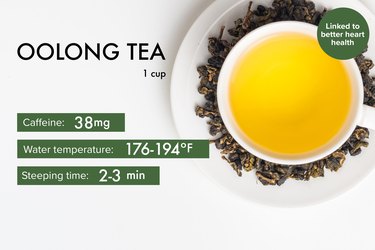
You'll get some caffeine with a cup of oolong tea, but not a ton: An 8-ounce cup of brewed oolong tea contains 38 milligrams of caffeine, according to the Academy of Nutrition and Dietetics. That's a bit more than a cup of green tea (29 milligrams) but less than both black tea (around 48 milligrams) and coffee (95 milligrams).
There is less research about oolong tea than about green and black teas, according to a December 2015 review in Food Science and Human Wellness, but "the teas share similar health properties," Gnau says.
Take a look at some of what's known about oolong tea's health benefits based on current research.
Helps Control Diabetes (Some Evidence)
"Research on oolong tea consumption does appear to show benefit in blood sugar management," Gnau says.
She points out that a small older study — with just 20 participants — found that people who drank 1.5 liters (about 6 cups) of oolong tea every day for a month had lower blood sugar levels by up to 30 percent compared to people who drank water instead, per the June 2003 results in Diabetes Care.
Drinking oolong is also linked to a protective effect when it comes to diabetes: A meta-analysis of nine studies found having four or more cups of any kind of tea a day is associated with a lower risk of type 2 diabetes, according to May 2009 results in the Journal of General Internal Medicine.
Because most of the studies in the above review didn't provide information about the types of tea people drank, it's hard to know what this means for oolong drinkers. Plus, keep in mind that four cups of tea a day might feel like a lot to drink for some people.
More research is needed to pin down the potential benefits of tea — and oolong tea in particular — at regulating blood sugar levels and warding off diabetes.
Promotes Heart Health (Some Evidence)
As a general rule, drinking tea appears to be good for your heart. The beverage helps increase HDL cholesterol (that's the "good" variety) and lower LDL (the "bad" kind), and it contains polyphenols, a heart-helping antioxidant, per the American Heart Association.
Gnau references older research that looked at the effects of drinking tea on heart diseases. Men (that's the terminology used in the study) who had one cup — or more — of oolong tea daily had a 61 percent lower risk of heart disease, per the December 2009 study in the Journal of Epidemiology and Community Health.
Oolong tea may is also linked to a lower risk of developing high blood pressure. In a July 2004 study in the Archives of Internal Medicine, people who drank green or oolong tea regularly had lower rates of the condition than non-tea drinkers.
Supports the Brain (Limited Evidence)
There may be some brain benefits that accompany drinking oolong tea.
For instance, there's an association between drinking oolong tea (as well as black tea) and a lowered risk of cognitive impairment and decline, per a July 2008 study in The American Journal of Clinical Nutrition.
Oolong drinkers (and black tea fans) also seem to have lower rates of Alzheimer's and Parkinson's diseases, according to a May 2018 study in Nutrients, potentially due to the presence of an amino acid called l-theanine in the brew, per PennMedicine.
These are promising indicators, but as with other items on this list, it's worth keeping in mind that there's little research available, and few recent studies that specifically examine the effects of oolong tea (and not just tea generally).
Aids Weight Loss (Limited Evidence)
Oolong tea can be part of a weight-loss plan. In one study, people with obesity or overweight drank a cup of oolong tea a day for 60 days. By the end of the study period, about 60 percent of people had lost at least 2 pounds, per March 2009 results in the Chinese Journal of Integrative Medicine — but more research is needed.
Helps Gut Health (Limited Evidence)
While much remains to be discovered and understood, there's a big connection between gut health and overall health. The bacteria found in your gut may play a role in your immunity and risk of developing chronic diseases, for instance.
Drinking oolong tea may affect the diversity of bacteria found in the gut, per an October 2019 review in Nutrients. (As a general rule, having many types of bacteria in the microbiome is seen as a good thing.) Plus, the review authors note that drinking tea may "help to offset dysbiosis [aka imbalance] triggered by obesity or high-fat diets."
More research is needed to know if tea can help improve gut health — and how.
Lowers Cancer Risk (Limited Evidence)
Oolong tea contains a mix of both simple and complex polyphenols (aka plant compounds known for their potential health benefits), per the National Cancer Institute (NCI). Animal studies have shown that the polyphenols found in tea may stop tumor cells from reproducing and lead to the death of cancer cells, per the NCI.
Most of the research around tea and cancer prevention, however, has been done with more popular green or black teas.
One November 2018 lab study in Anticancer Research that looked specifically at oolong tea and breast cancer cells found that oolong tea extract halted cell growth, and a February 2013 study in Cancer Epidemiology linked drinking oolong tea with a lower risk of ovarian cancer.
More research is needed to understand any connection between tea drinking and cancer prevention.
Is It Good to Drink Tea Every Day?
Drinking tea every day is a good way to support a healthy routine and keep up with your hydration needs. Just avoid overdoing it on the caffeine.
May Zhu, RDN, LDN, recommends keeping track of your daily caffeine intake and making sure it doesn't exceed 400 milligrams. Keep in mind that caffeine can also be found in coffee, chocolate, sodas and energy drinks.
Different types of tea will have varying amounts of caffeine, with the exception of herbal teas, which are caffeine-free.
"The amount of time passed while steeping tea can also change the amount of caffeine in it, because the caffeine content will increase the longer you steep it," Zhu says. This can potentially be problematic for people who are sensitive to caffeine, making it difficult for them to fall asleep at night or even worsening anxiety.
Or, opt for herbal tea, which is caffeine-free.
Oolong Tea Varieties
Oolong teas vary in smell and taste. Ti kuan yin tea, for example, smells like orchids and tastes fruity and sweet, according to tea maker PeLi Teas. This tea is also sometimes referred to as Iron Goddess of Mercy, because it is said to have been a gift from the merciful bodhisattva (or enlightened being) Guanyin, according to importer Rishi Tea.
Some of the most commonly enjoyed varieties of oolong tea, according to Nannuoshan, a Berlin-based company that purchases and sells tea, include:
- Tie Guan Yin or Ti Kuan Yin: Better known as Iron Goddess of Mercy, this tea is available in roasted and non-roasted versions, and is probably the most popular variety.
- Wuyi Yan Cha: This tea grows in the mineral-rich soil found in the Wuyi Mountains in China's Fujian province.
- Da Hong Pao: There's a smokey flavor to this tea, due to its leaves being baked over wood ashes.
- Dong Ding: This variety of oolong tea hails from Taiwan and has a "rich, sweet and buttery mouthfeel," per Nannuoshan.
Oolong Tea Brands to Try
Brewing Tips
For the best-tasting cup of oolong tea, use water that's between 176 and 194 degrees Fahrenheit, and let it steep for 2 to 3 minutes, per the Dilmah School of Tea.
One note to keep in mind for people with low iron: "The tannins found in tea can reduce iron absorption, so those who are trying to improve iron absorption should avoid drinking tea with meals," Gnau says.
The Takeaway on Oolong Tea Health Benefits
Most of the studies examining the health benefits of oolong tea are small and were conducted more than a decade ago. Research on black and green tea is much more common because those teas are more popular. More research is needed on oolong tea specifically to better support preliminary findings including connections with diabetes management, heart health, weight loss and brain function.
Pu-Erh Tea Benefits
When it comes to tea, the big four are black, white, oolong and green. Pu-erh tea, which is made from the Camellia sinensis var. assamica type of tea plant, is less well known.
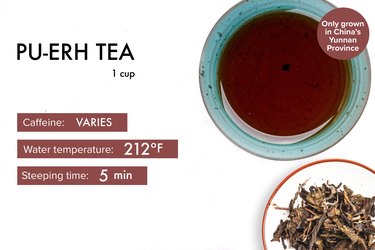
This tea — which is also sometimes spelled pu'er or pu'erh — is the only tea to have a protected origin designation from China. That means only tea grown in China's Yunnan Province can be referred to as pu-erh (similar to how "Champagne" only refers to sparkling wine made from grapes grown in France's Champagne region).
"Pu-erh tea has a distinct rich and earthy flavor," Gnau says. You may also notice woody, sour or sweet notes, she adds.
The distinctive taste of pu-erh tea is due to microbial fermentation. That's true for both the methods used to process pu-erh tea, Gnau explains: raw or ripe.
- Raw tea: Raw pu-erh tea is heated and dried. "Sundried green tea leaves are autoclaved, compressed and dried," Gnau says.
- Ripe tea: Ripe pu-erh is fermented for several weeks. "Pu-erh ripe tea is sundried green tea that has gone through a microbial fermentation process for several weeks at around 122 degrees Fahrenheit in humid conditions," Gnau says. Then, the tea is dried. It's available as loose-leaf tea but often compressed into a shape. It may be a brick of tea or shaped like a mushroom or bird's nest, per Simple Loose Leaf Tea Company. "Ripe pu-erh tea is less bitter due to the fermentation process reducing catechins," Gnau says.
"The specific forms of microorganisms that are involved in the fermentation process lend varying flavor characteristics to the tea," Gnau says. The fermentation process also affects the antioxidants found in pu-erh tea: A longer fermentation process leads to less antioxidants, she says.
"Pu-erh raw tea has higher polyphenol content than green tea, but this decreases in ripe pu-erh tea," she says.
The caffeine in pu-erh isn't widely publicized. In one study in the January to March 2016 issue of Pharmacognosy Magazine that examined caffeine levels for 30-plus varieties of teas, one pu-erh sample had 12.59 milligrams of caffeine per gram of tea, about the same as green tea but less than black tea.
Perhaps because this tea is relatively uncommon, there's less research available on it. Here's a look at some health benefits that may accompany drinking pu-erh tea.
Lowers Cholesterol (Limited Evidence)
Animal studies point to a potential for this type of tea to help keep cholesterols levels in check.
"There are a few small animal studies that found rats given pu-erh tea showed a decrease in LDL (bad) cholesterol," Gnau says. For example, feeding rats pu-erh tea over a 12-week period reduced high cholesterol, per a February 2012 study in Food and Function.
Promotes Weight Loss (Limited Evidence)
"There are few clinical studies on the health effects of pu-erh tea in humans," Gnau says. Small studies suggest potential benefits for improving cholesterol and supporting weight loss, she adds.
She points to a small March 2016 trial in Clinical Interventions in Aging. In it, 59 people with overweight or obesity either had pu-erh tea extract or a placebo for 5 months. The daily pu-erh tea extract was associated with weight loss.
While promising, note that participants were given pu-erh tea extract, not an actual cup of tea. "More research is needed in this area," Gnau says.
Improves Metabolic Syndrome (Limited Evidence)
As many as one-third of adults in the United States have metabolic syndrome, according to the Mayo Clinic. This collection of conditions — such as increased blood pressure and high blood sugar — can lead to several chronic diseases, such as type 2 diabetes or heart disease. Pu-erh tea may help with regulating this syndrome.
In one study, people with metabolic syndrome had pu-erh tea extract for three months. At the end of that time period, compared to a placebo group, they had lower blood sugar, triglycerides and BMIs, per the July 2011 findings in Chinese Journal of Integrative Medicine.
The study authors noted that pu-erh tea "demonstrated excellent potential" at improving key health markers.
Prevents Cancer (Limited Evidence)
Pu-erh tea has shown promising results in test-tube studies. For example, the tea displayed stronger anti-cancer effects than green tea in a lab study involving colon cancer cells, per January 2013 research in the Journal of Environment Pathology, Toxicology and Oncology.
Another study showed that pu-erh tea extract might inhibit the growth of tumor cells, according to November 2011 findings in the International Journal of Molecular Sciences.
More research — and research beyond preliminary test-tube studies — is needed in this area.
Pu-Erh Tea Brands to Try
Brewing Tips
To help release the flavor, first wash the tea leaves. Steep your pu-erh tea for about 15 seconds, then discard the water, per Simple Loose Leaf Tea Company.
Then, using a teaspoon of loose-leaf tea for every cup of water, steep for about five minutes. Aim for water that's around 212 degrees Fahrenheit.
The Takeaway on Pu-Erh Tea Health Benefits
Pu-erh tea is perhaps the least common true tea, and therefore one of the least studied. Preliminary animal and test-tube studies suggest pu-erh tea may be linked to lower cholesterol and reduced tumor cell growth, while studies in humans looking at weight loss and metabolic syndrome have focused on pu-erh tea extract, which offers a more concentrated version than tea. More research is needed in humans to understand what, if any, health benefits are directly attributable to pu-erh tea.
White Tea Benefits
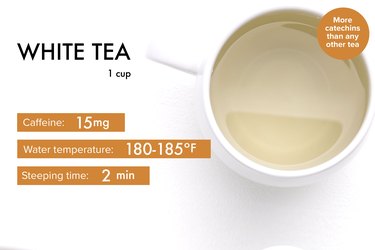
"White tea's flavor is typically more subtle and sweet than other varieties of teas," says Danielle Gaffen, RDN.
This type of tea is made from the tips of buds from a specific variety of Camellia sinensis var. sinensis that grows in only one province of China, she says. Like green tea, white tea leaves are not fermented, according to a December 2019 review in the International Journal of Molecular Sciences. Instead, the leaves and buds are steamed, which prevents discoloration, Gaffen says.
White tea is low in caffeine, with 15 milligrams per 8-ounce cup — much less than coffee, which has 95 milligrams in the same sized cup, per Food Insight. But the amount of caffeine white tea contains may vary based on three factors, according to an August 2017 review in Food & Function: how long the tea brews, the size of the tea leaves and the water temperature. A cup could have as much as 30 milligrams of caffeine, Gaffen says, still less caffeine per serving than black or green tea, she adds.
White tea has more catechins than other types of tea, per a December 2018 review in Trends in Food Science and Technology. "Because white tea is minimally processed, it retains a high amount of its polyphenols, especially the catechins," Gaffen says.
In fact, there are higher concentrations of EGCG — a type of catechin linked with potential health benefits — in white tea than green tea, Gaffen says.
More research — particularly in humans, as opposed to lab or animal studies — is needed, but white tea may have these potential benefits.
Helps Your Teeth (Limited Evidence)
Tea is a source of fluoride, according to a January 2016 study in the Journal of Food Science. Fluoride is added to toothpaste and water because it helps protect against cavities, per the American Dental Association.
As well as fluoride, white tea's catechins and tannins also play a role in oral health, according to Penn Medicine.
Supports Heart Health (Limited Evidence)
Drinking tea habitually — that is, three or more times each week — is associated with a reduced risk of heart disease and stroke, per an analysis of data collected from more then 100,000 participants in the December 2020 issue of the European Journal of Preventive Cardiology.
And white tea in particular may offer heart benefits. Those catechins found in all tea (and particularly in white tea) may help to lower cholesterol, per an October 2018 review in Trends in Food Science & Technology, which examined the effects of white tea on animals.
More evidence is needed, per the review. However, the review writers note, "white tea is estimated to be beneficial against cardiovascular diseases."
Promotes Weight Loss (Limited Evidence)
Drinking white tea may help with your weight-loss efforts, Gaffen says. She points to a February 2010 research review in the International Journal of Obesity, which linked drinking white tea to a 4 to 5 percent lift in energy expenditure (or how many calories the body burns).
An older test tube study found that white tea extract inhibits the development of fat cells, per May 2009 research in Nutrition & Metabolism.
Additional research is needed to confirm these results.
Improves Blood Sugar Levels (Limited Evidence)
Thanks to the hormone insulin, your body is able to store blood sugar and convert it to energy, according to Kaiser Permanente. But sometimes this process goes awry.
"Research in animal studies has shown that white tea may improve blood sugar and insulin levels due to white tea's polyphenols and EGCG," Gaffen says.
For instance, a February 2015 study in the Cambridge University Press found that drinking white tea daily helped "glucose tolerance and insulin sensitivity" in rats with prediabetes.
To confirm if these benefits carry through to humans, more research is needed, Gaffen says.
Prevents Cancer (Limited Evidence)
There are promising test-tube studies around the potential for white tea to prevent cancer.
The presence of high levels of ECGC may be particularly meaningful. EGCG acts to combat free radicals, per the National Cancer Institute (NCI). White tea extract has high antioxidant activity, according to a February 2015 study in Food Chemistry.
One study examined white tea extract and found that it inhibited cancer cells from spreading, per October 2018 results in the Journal of Food Science. Similarly, an earlier September 2010 study in Cancer Prevention Research looked at non-small cell lung cancer cell lines and found that white tea extra led to cell death.
The Food Chemistry study found that white tea stopped colon cancer cells from growing.
While these results are promising, keep in mind that these studies are done in labs, not in humans, and that most have relied on white tea extract (as opposed to a brewed cup of the beverage). While white tea may have some cancer-fighting benefits, more remains to be discovered.
White Tea Varieties
There are five different classifications of white teas, some of which have several varieties, according to the Art of Tea.
- Yi Zhen Bai Hao or Silver Needle White Tea: This rare variety is harvested just one single time each year, in early spring, per Rishi Tea and Botanicals.
- Shou Mei: This tea comes from more mature leaves from the plant used for silver needle tea, according to Happy Earth Tea Company. Varieties include Noble and Long Life Eyebrow.
- Bai Mu Dan or White Peony: Expect a nutty taste, per the Art of Tea.
- Gongmei or Tribute Eyebrow: Made with young leaves without buds, this type has a "darker and fuller" taste than other white teas, according to the Art of Tea.
- Fujian New Craft: This type of white tea is also called DaBaiCha or DaHoaCha.
White Tea Brands to Try
Brewing Tips
White tea can be purchased loose or in tea bags in specialty tea stores, health food stores, Asian grocers and supermarkets.
White tea can handle hot temperatures, according to tea company Simple Loose Leaf. Brew it with water that is between 180 and 185 degrees Fahrenheit and steep for about 2 minutes. Unless otherwise instructed by the packaging on the tea, you'll typically want to use 3 to 4 grams of leaves per 8 ounces of water.
Be mindful of your steep time, Gaffen says. Brew too long, and it'll increase the tea's bitterness (and elevate caffeine concentration — which may or may not be your preference), she says. If you're looking for more caffeine, try using more leaves rather than brewing it longer to avoid the bitter taste, she recommends.
The Takeaway on White Tea Health Benefits
What little evidence there is supporting health benefits of white tea has mostly come from lab and animal studies. So far, there are connections with white tea and better heart health, stronger teeth, balanced blood sugar and weight loss. More research in humans is needed to back up these associations, let alone show cause-and-effect relationships.
Benefits of Tea With Honey

Beloved by many, honey acts an anti-inflammatory, antioxidant and antibacterial agent, as well as a natural sweetener, according to the Mayo Clinic. If you opt to sweeten your tea, honey may be your healthiest choice. Here are some potential health benefits of adding honey to tea.
Eases Coughs (Strong Evidence)
Honey may be an effective cough suppressant, according to the Mayo Clinic.
It's helpful for acute nighttime coughing as well as upper respiratory tract infections, so if you've got a bad cough, try adding honey to your next cup of tea. The honey will coat your throat, preventing irritation that may cause you to cough. Drink the mixture as necessary to reduce your symptoms.
Even without honey, hot tea may help naturally soothe a sore throat. Iced tea is a smart idea for a cough, too: It will help you stay hydrated and thin mucus, according to the Cleveland Clinic. Stick to decaf tea if you're looking for sore throat relief before bed, according to Penn Medicine.
Soothes Laryngitis (Some Evidence)
Drinking hot herbal tea with honey is a traditional home remedy for laryngitis, according to Mount Sinai Hospital, and it may help soothe the symptoms of laryngitis, or inflammation of your voice box.
In general, it's a good idea to stay hydrated when you have laryngitis, according to the Mayo Clinic, by drinking herbal tea, water and/or juice. As you drink your hot tea with honey, try breathing in the steam, which may also be a helpful tactic to deal with laryngitis symptoms and restore your voice.
Helps With Menstrual Cramps (Some Evidence)
While you may be in the habit of taking over-the-counter or prescription medications to deal with this monthly pain and discomfort, honey may help, too, according to a June 2017 study in Archives of Gynecology and Obstetrics.
The small study compared taking honey to taking mefenamic acid capsules (a prescription-strength non-steroidal anti-inflammatory medication) and found that honey was just as effective as the prescription medication.
Plus, keep in mind that heat — like a heating pad or hot water bottle on your stomach — can help with menstrual cramps, per Michigan Medicine. Even the simple act of resting a mug full of warm tea in your lap may help improve blood flow and ease mild pain.
Opt to add your honey to caffeine-free tea; it's best to limit caffeine if you're dealing with menstrual cramps, according to the Cleveland Clinic.
Tip
Honey is considered an added sugar. The American Heart Association recommends that adults limit added sugars to between 6 to 9 teaspoons a day.
What Happens When You Add Milk, Sugar or Cream?
Putting cream (or other dairy) or sugar in your tea adds calories.
A teaspoon of sugar has 16 calories, according to the USDA. If you add several spoonfuls, or drink several cups throughout your day, those calories can add up. As with sugar, adding cream to your cup could work against any weight-loss goals you have. Cream provides 20 calories per tablespoon, most of which are due to saturated fat, according to the USDA.
To cut calories, replace sugar with a nonnutritive sweetener, such as Stevia. Low-fat or non-fat milk will add fewer calories than cream or whole milk.
Adding 1 fluid ounce (2 tablespoons) of low-fat milk to your tea will add 10 calories to your cup, per the USDA. You'll also get some nutritional benefits: This small amount of milk offers 3 percent of your daily value (DV) of calcium and 2 percent of your DV of iron, according to the USDA. You can also opt for protein-packed soy milk as a lower-calorie alternative to cream.
But it's not just the calories that are a potential concern.
There's evidence that adding dairy products or soy or almond milk to your tea diminishes its health benefits. For instance, a January 2007 study in the European Heart Journal found that adding milk to tea counteracted the beverage's protective effect on the blood vessels. Adding milk also appears to interfere with the metabolic benefits of tea, per an August 2011 study in Nutrients.
More research is needed to fully understand if adding milk to tea blunts its antioxidant activity.
What About Unsweetened Iced Tea?
Not only will iced tea quench your thirst, but this beverage is naturally calorie-free (that changes, of course, if you add sugar or cream).
If you replace high-calorie drinks such as soda or sweetened iced tea with unsweetened iced tea, you can cut your calories. For instance, while 12 ounces of sweetened iced tea has 119 calories, per the USDA, that same amount of unsweetened iced tea has zero calories.
Plus, iced tea delivers all the same health benefits of hot tea, whether it’s green, black or any other variety.
Tea Benefits by Brand

There are many tea brands that sell any number of black, green, herbal or other teas. Some may add ingredients like antioxidant-rich fruit or anti-inflammatory herbs that may slightly change a tea's health benefits. Otherwise, the health benefits of teas are very similar across different brands.
Yogi Tea Benefits
Yogi Tea is a tea brand that makes a variety of green, black and herbal teas. Along with taste, Yogi Tea puts an emphasis on the benefits each of their teas delivers.
For example, the brand claims its Yogi Green Tea Kombucha Tea provides antioxidants, its Yogi Berry DeTox Tea "supports healthy cleansing" and its Yogi Ginger Tea helps with digestion.
But keep in mind that, as the company notes, these health statements are not evaluated by the FDA, and their teas are not a treatment, cure nor preventive measure for conditions and diseases.
Sunrider International's Calli Tea
Calli Tea is made by Sunrider International. It's available in several varieties, including Calli Original, Calli Cinnamon and Calli Mint. As well as green tea, these teas contain other ingredients, such as alisma root extract and perilla leaf. Alisma is a diuretic, per a September 2017 article in Molecules.
Along with the benefits that accompany drinking green tea, other ingredients found in the tea may also be associated with certain health benefits, but more research is needed.
What Is Ceylon Tea?
Ceylon tea is not a specific type of tea. Rather, the name refers to a geographic location: Ceylon tea comes from Sri Lanka, according to the Tea Exporters Association. This country was known as Ceylon by British colonists.
Now, Sri Lanka is one of the top producers and exporters of tea in the world, according to the Tea Exporters Association. Ceylon tea is available in both green and black varieties and is linked to the same health benefits.
Related Reading
Additional reporting by Bojana Galic and Tiffany Ayuda.
- Mayo Clinic: "Antioxidants"
- Journal of Advanced Nursing: "Effects of an Intervention With Drinking Chamomile Tea on Sleep Quality and Depression in Sleep Disturbed Postnatal Women: A Randomized Controlled Trial."
- Journal of Clinical Gastroenterology: "Peppermint Oil for the Treatment of Irritable Bowel Syndrome: A Systematic Review and Meta-analysis"
- Integrative Medicine Insights: "The Effectiveness of Ginger in the Prevention of Nausea and Vomiting During Pregnancy and Chemotherapy"
- U.S. National Library of Medicine: "Antioxidants"
- Journal of Chormotography: "Determination of Catechins in Matcha Green Tea by Micellar Electrokinetic Chromatography"
- The American Journal of Clinical Nutrition: "Tea and Flavonoid Intake Predict Osteoporotic Fracture Risk in Elderly Australian Women: A Prospective Study "
- Journal of Education and Health Promotion: "Investigation Effect of Oral Chamomilla on Sleep Quality in Elderly People in Isfahan: A Randomized Control Trial"
- European Journal of Nutrition: "Green Tea Catechins and Blood Pressure: A Systematic Review and Meta-Analysis of Randomised Controlled Trials"
- European Journal of Preventive Cardiology: "Tea consumption and the risk of atherosclerotic cardiovascular disease and all-cause mortality: The China-PAR project"
- Phytomedicine: "Green tea effects on cognition, mood and human brain function: A systematic review."
- Aging: "Habitual tea drinking modulates brain efficiency: evidence from brain connectivity evaluation"
- Harvard T.H. Chan School of Public Health: "Tea"
- U.S. National Library of Medicine: "Black Tea"
- USDA: "The Coca-Cola Company-0049000000016 - Gold Peak Peach Tea Bottle 52 Fl Oz"
- National Cancer Institute: "bergamot"
- Phytotherapy Research: "Bergamot (Citrus bergamia) Essential Oil Inhalation Improves Positive Feelings in the Waiting Room of a Mental Health Treatment Center: A Pilot Study"
- Tea Exporters Association: "Ceylon Tea"
- Indian Tea Association: "Tea Growing Regions"
- USDA: "Sugar"
- USDA: "Half And Half Cream"
- USDA: "Skim Milk"
- European Heart Journal: "Addition of milk prevents vascular protective effects of tea"
- Nutrients: "Consumption of milk-protein combined with green tea modulates diet-induced thermogenesis"
- Mayo Clinic: "Caffeine content for coffee, tea, soda and more"
- National Cancer Institute: "Tea and Cancer Prevention"
- Molecules: "A Review on the Weight-Loss Effects of Oxidized Tea Polyphenols"
- Cleveland Clinic: "Green Tea Extract: Pros and Cons for Energy, Weight Loss and More"
- National Center for Complementary and Integrative Health:"Green Tea"
- American Dental Association: "The Superhero That Lives Inside Your Mouth"
- Journal of the Canadian Dental Association: "Fluoride Content in Asian Produced Green Teas"
- C.S. Mott Children’s Hospital: "green tea"
- Nemours Foundation: "Caffeine"
- USDA: "Whole Milk"
- Mount Sinai: "Peppermint"
- Upton Tea Imports: "GUNPOWDER"
- Michigan Medicine: "Rose hips"
- Beth Israel Lahey Health: "Rose Hips"
- Liluku Tea: "What is Genmaicha ?"
- Rishi Tea and Botanicals: "Genmaicha"
- Journal of Chromatography: "Determination of catechins in matcha green tea by micellar electrokinetic chromatography"
- Global Japanese Tea Association: "Kukicha"
- International Journal of Food Properties: "Changes in the volatiles, chemical components, and antioxidant activities of Chinese jasmine tea during the scenting processes"
- International Journal of Molecular Sciences: "Health Functions and Related Molecular Mechanisms of Tea Components: An Update Review"
- Rishi Tea & Botanicals: "Silver Needles"
- Trends in Food Science & Technology: "A minireview of effects of white tea consumption on diseases"
- Simple Loose Leaf: "How to Brew White Tea"
- Chazhidao virtual tea school: "FOUR TYPES OF OOLONG"
- SpringerPlus: "Oolong tea made from tea plants from different locations in Yunnan and Fujian, China showed similar aroma but different taste characteristics"
- Current Pharmaceutical Design: "Tea and Health: Studies in Humans"
- Food Science and Human Wellness: "Chemistry and health beneficial effects of oolong tea and theasinensins"
- PeLi Teas: "Ti Quan Yin (Spring)"
- USDA: "Schnuck Markets Inc. - Sweetened Iced Tea Sweetened"
- Mayo Clinic: "A friend suggested that I try yerba mate tea to boost my energy. What is yerba mate?"
- Brigham Health: "Alfalfa"
- NLM: "Alfalfa"
- Kaiser Permanente: "Alfalfa"
- Memorial Sloan Kettering Cancer Center: "Alfalfa"
- Mount Sinai: "Horsetail"
- NLM: "Horsetail"
- Mayo Clinic: "Honey"
- Archives of Gynecology and Obstetrics: "Comparison of the effect of honey and mefenamic acid on the severity of pain in women with primary dysmenorrhea"
- Michigan Medicine: "Menstrual Cycle: Dealing With Cramps"
- Cleveland Clinic: "How can you relieve mild menstrual cramps?"
- American Heart Association: "Added Sugars"
- Mount Sinai: "Laryngitis"
- Mayo Clinic: "Laryngitis"
- NCCIH: "Ginger"
- Johns Hopkins Medicine: "5 Spices with Healthy Benefits"
- OncoLink: "Ginger: Health Benefits and Dietary Recommendations During Cancer Treatment"
- Phytotherapy Research: "Clinical trials on pain lowering effect of ginger: A narrative review"
- Mount Sinai: "Eucalyptus"
- Kaiser Permanente: "Eucalyptus"
- NLM: "Eucalyptus"
- Herbal Society of America: "Fennel"
- Arabian Journal of Chemistry: "Foeniculum vulgare: A comprehensive review of its traditional use, phytochemistry, pharmacology, and safety"
- American Botanical Council: "Herbal Medicine: Expanded Commission E Monographs"
- The Journal of Gastrointestinal and Liver Diseases: "Curcumin and Fennel Essential Oil Improve Symptoms and Quality of Life in Patients with Irritable Bowel Syndrome"
- NLM Drugs and Lactation Database: "Fennel"
- Mount Sinai: "Aloe"
- NCCIH: "Aloe Vera"
- Mayo Clinic: "Aloe"
- Johns Hopkins HealthCare: "Elderberry"
- MSKCC: "Elderberry"
- Journal of General Internal Medicine: "Elderberry Extract Outpatient Influenza Treatment for Emergency Room Patients Ages 5 and Above: a Randomized, Double-Blind, Placebo-Controlled Trial"
- Mount Sinai: "Burdock"
- MSKCC: "Burdock"
- MSKCC: ""Essiac"
- PeaceHealth: "Burdock"
- International Journal of Rheumatic Diseases: "Effects of Arctium lappa L. (Burdock) root tea on inflammatory status and oxidative stress in patients with knee osteoarthritis"
- National Cancer Institute: "Milk Thistle (PDQ®)–Patient Version"
- NCCIH: "Milk Thistle"
- Mayo Clinic: "Milk thistle"
- Missouri Botanical Garden: "Hyssopus officinalis"
- PeaceHealth: "Hyssop"
- Journal of Cancer Metastasis and Treatment: "Anti-oxidation properties of leaves, skin, pulp, and seeds extracts from green papaya and their anti-cancer activities in breast cancer cells"
- Evidence-Based Complementary and Alternative Medicine: "Carica papaya Leaves Juice Significantly Accelerates the Rate of Increase in Platelet Count among Patients with Dengue Fever and Dengue Haemorrhagic Fever"
- Beth Israel Lahey Health: "Papain: Nature’s Own Digestive Aid"
- PeaceHealth: "Boldo"
- European Medicines Agency: "Boldo leaf"
- PeaceHealth: "Rooibos"
- MSKCC: "Rooibos Tea"
- Institute for Traditional Medicine: "HONEYBUSH"
- Nutraceuticals - Past, Present and Future: "Rooibos (Aspalathus linearis) and Honeybush (Cyclopia spp.): From Bush Teas to Potential Therapy for Cardiovascular Disease"
- Oldways Whole Grains Council: "Barley - February Grain of the Month"
- Journal of Food Science: "Antioxidant Properties of Aqueous Extract of Roasted Hulled Barley in Bulk Oil or Oil-in-Water Emulsion Matrix"
- USDA: "Cooked Pearled Barley"
- Cleveland Clinic: "6 Surprising Ways Garlic Boosts Your Health"
- American Society for Microbiology: "Old Wives’ Tales and Garlic as an Antibiotic: Are Microbial Myths Fact or Fiction?"
- Antioxidants: "Potential Health Benefit of Garlic Based on Human Intervention Studies: A Brief Overview"
- NCCIH: "Garlic"
- Journal of Applied Biology & Biotechnology: "Medicinal and Functional Values of Thyme (Thymus vulgaris L.) Herb"
- Journal of Traditional and Complementary Medicine: "Neuroprotective potency of some spice herbs, a literature review"
- PeaceHealth: "Thyme"
- Boston Medical Center: "Lemon-Thyme Green Tea"
- Tufts Medical Center: "Celery"
- Journal of Evidence-Based Integrative Medicine: "A Review of the Antioxidant Activity of Celery (Apium graveolens L)"
- Cleveland Clinic: "Celery May Help Bring Your High Blood Pressure Down"
- Wisconsin Horticulture: "Cilantro / Coriander, Coriandrum sativum"
- Cleveland Clinic: "Love It or Hate It — The Great Cilantro Debate"
- USDA: "Cilantro"
- Mayo Clinic: "Vitamin K (Class) (Oral Route, Parenteral Route)"
- PeaceHealth: "Sage"
- Archives in Cancer Research: "Medicinal Property of Sage (Saliva) for Curing Illnesses Such as Obesity, Diabetes, Depression, Dementia, Lupus, Autism, Heart Disease and Cancer: A Brief Review"
- NCCIH: "Sage"
- PeaceHealth: "Reishi"
- MSKCC: "Reishi Mushroom"
- Evidence-Based Complementary and Alternative Medicine: "Evaluation of Antidiabetic Effects of the Traditional Medicinal Plant Gynostemma pentaphyllum and the Possible Mechanisms of Insulin Release"
- Chinese Medicine: "Anti-cancer effects of Gynostemma pentaphyllum (Thunb.) Makino (Jiaogulan)"
- Hormone and Metabolic Research: "Antidiabetic Effect of Gynostemma pentaphyllum Tea in Randomly Assigned Type 2 Diabetic Patients"
- Mount Sinai: "Hawthorne"
- MSKCC: "Hawthorne"
- NCCIH: "Hawthorne"
- Cleveland Clinic: "What Are the Best Fruits for You? A Dietitian’s Top 5 Picks"
- Advanced Nutrition: "Red Raspberries and Their Bioactive Polyphenols: Cardiometabolic and Neuronal Health Links"
- International Journal of Molecular Sciences: "Bioactive Compounds and Antioxidant Activity in Different Types of Berries"
- Harvard T.H. Chan School of Public Health: "Antioxidants"
- American Pregnancy Association: "Herbal Tea and Pregnancy"
- Scientific Reports: "Effects of Berries Consumption on Cardiovascular Risk Factors: A Meta-analysis with Trial Sequential Analysis of Randomized Controlled Trials"
- Cleveland Clinic: "7 Reasons to Start Your Day With Lemon Water"
- New Mexico State University: "Jujube: Chinese Date in New Mexico"
- Center for Urban Education About Sustainable Agriculture: "Jujubes"
- Horticulture Research: "The historical and current research progress on jujube–a superfruit for the future"
- USDA: "Jujube, raw"
- Journal of Functional Foods: "Jujube fruit: A potential nutritious fruit for the development of functional food products"
- Evidence-Based Complementary and Alternative Medicine: "Multiple Bioactivities of Traditional Medicinal Herbs for Treatment of Neurodegenerative Diseases"
- Kaiser Permanente: "Goji Berry"
- Sutter Health: "The Health Benefits of Goji Berries"
- Oxidative Medicine and Cellular Longevity: "Bioactive Compounds of Food: Their Role in the Prevention and Treatment of Diseases"
- USDA: "Goji Berries Dried"
- PeaceHealth: "Goji Berry"
- PeaceHealth: "Blueberry"
- Johns Hopkins Medicine: "Berry Good for Your Heart"
- Antioxidants: "Blueberries’ Impact on Insulin Resistance and Glucose Intolerance"
- Plants for a Future: "Ribes nigrum - L."
- USDA: "European Black Currants"
- Mayo Clinic: "Vitamin C"
- Journal of Food Science: "Blackcurrants (Ribes nigrum): A Review on Chemistry, Processing, and Health Benefits"
- Beth Israel Lahey Health: "Noni"
- PeaceHealth: "Noni"
- MSKCC: "Noni"
- Teatulia Organic Teas: "What Is Chai?"
- Pacific College of Health and Science: "Chai Tea for Digestion"
- Brooklyn Botanic Garden: "Saffron Crocus—Conjuring Color and Flavor in the Autumn Garden"
- Nutrients: "Saffron (Crocus sativus L.) in Ocular Diseases: A Narrative Review of the Existing Evidence from Clinical Studies"
- Avicenna Journal of Phytomedicine: "The effects of Crocus sativus (saffron) and its constituents on nervous system: A review"
- Biomedicine and Pharmacotherapy: "Saffron; An updated review on biological properties with special focus on cardiovascular effects"
- Kaiser Permanente: "Keeping cool: 6 foods that help"
- Nuts and Seeds in Health and Disease Prevention: "Chapter 34 - Cardamom (Elettaria cardamomum Linn. Maton) Seeds in Health"
- MSKCC: "Cinnamon"
- Mayo Clinic: "High cholesterol treatment: Does cinnamon lower cholesterol?"
- GI Society: "Cinnamon: The Good, the Bad, and the Tasty"
- Arthritis Foundation: "Best Spices for Arthritis "
- Plant Cell Biotechnology and Molecular Biology: "CHEMICAL CONTENT ANALYSIS AND ANTIOXIDANT ACTIVITY OF TRADITIONAL PHILIPPINE HERBAL FORMULA (PITO-PITO)"
- Clinical Phytoscience: "The phytochemistry and medicinal value of Psidium guajava (guava)"
- Bonanza: "Pito-Pito Organic Herbal Tea"
- Yogi Tea: "All Teas"
- Yogi Tea: "Yogi Green Tea Kombucha Tea"
- Yogi: "Yogi Berry Detox Tea"
- Yogi: "Ginger Tea"
- Celestial Seasonings: "Red Zinger"
- Sunrider International: "Calli Original"
- Sunrider: "Calli Cinnamon"
- Sunrider International: "Calli Mint"
- Molecules: "Diuretic Activity of Compatible Triterpene Components of Alismatis rhizoma"
- Truong Giang Corp: "Three Ballerina Tea"
- NLM: "Senna"
- Current Research in Green and Sustainable Chemistry: "Synthesis of gold and silver nanoparticles using Malva verticillata leaves extract: Study of gold nanoparticles catalysed reduction of nitro-Schiff bases and antibacterial activities of silver nanoparticles"
- Clinical Medicine Insights: Endocrinology and Diabetes: "Unhealthy Weight Control Practices: Culprits and Clinical Recommendations"
- Cleveland Clinic: "Are You Planning a Cleanse or Detox? Read This First"
- Cleveland Clinic: "What Can Tea Really Do for Your Health? 3 Myths, Debunked"
- Providence Health & Services: "Do detox diets and teas really work?"
- International Institute for Environment and Development: "The case of the coca leaf"
- Emergency Medicine International: "Coca: The History and Medical Significance of an Ancient Andean Tradition"
- BMC: "Travel medicine, coca and cocaine: demystifying and rehabilitating Erythroxylum – a comprehensive review"
- U.S. Customs and Border Patrol: "Bringing in coca leaves"
- Kaiser Permanente: "Comfrey"
- FDA: "FDA Advises Dietary Supplement Manufacturers to Remove Comfrey Products From the Market"
- Mount Sinai: "Comfrey"
- Journal of Midwifery & Women's Health: "Rose tea for relief of primary dysmenorrhea in adolescents: a randomized controlled trial in Taiwan"
- Journal of Food Science: "Rose Petal Tea as an Antioxidant‐rich Beverage: Cultivar Effects"
- MSKCC: "Chrysanthemum"
- Lady Bird Johnson Wildflower Center: "Passiflora incarnata"
- Missouri Botanic Garden: "Passiflora coccinea"
- PeaceHealth: "Passion Flower"
- Mount Sinai: "Passionflower"
- Journal of Nutritional Health & Food Engineering: "Nutritional and health importance of Hibiscus sabdariffa: a review and indication for research needs "
- Journal of Hypertension: "Effect of sour tea (Hibiscus sabdariffa L.) on arterial hypertension: a systematic review and meta-analysis of randomized controlled trials"
- NCCIH: "Hypertension (High Blood Pressure)"
- PeaceHealth: "Hibiscus"
- Penn Medicine: "6 At-Home Remedies to Ease Your Sore Throat"
- Cleveland Clinic: "Sore Throat Remedies That Actually Work"
- PeaceHealth: "Ginger"
- Johns Hopkins Medicine: "GERD Diet: Foods That Help with Acid Reflux (Heartburn)"
- Mayo Clinic: "Heartburn"
- Natural Product Communications: "Biological Properties of 6-Gingerol: A Brief Review"
- Mayo Clinic: "Acne"
- National Psoriasis Foundation: "About Psoriasis"
- Focus on Alternative and Complementary Therapies: "Prospective, non‐randomised, open‐label study of homeopathic Zingiber officinale (ginger) in the treatment of acne vulgaris"
- Hackensack Meridian Health: "Fighting the Flu or Cold? Elderberry May Provide Some Additional Relief"
- Pakistan Journal of Biological Sciences: "Anti-proliferation and Apoptosis Induction of Aqueous Leaf Extract of Carica papaya L. on Human Breast Cancer Cells MCF-7"
- Case Reports in Hematology: "The Use of Natural Health Products Especially Papaya Leaf Extract and Dandelion Root Extract in Previously Untreated Chronic Myelomonocytic Leukemia"
- Nutrients: "Association of Tea Consumption with Risk of Alzheimer’s Disease and Anti-Beta-Amyloid Effects of Tea"