
Listen to Your Heart highlights the simple nutrition, fitness and lifestyle changes you can make for a healthy heart at any age.
There are lots of trendy diets out there. But one that has stood the test of time (and has research-supported benefits to back it up) is the Mediterranean diet, a plan that emphasizes foods traditionally eaten in countries like Greece and Italy. But what is the Mediterranean diet, exactly?
The idea of eating Mediterranean-style dates back to the 1960s, when researchers realized that heart disease was less common in Mediterranean countries than the U.S. and northern Europe. They linked this reduced risk to the standard foods and cooking methods used by these cultures.
Video of the Day
Video of the Day
Decades later, the Mediterranean diet is one of the eating plans touted in the U.S. Department of Health and Human Services' Dietary Guidelines for Americans as a diet that promotes health and helps prevent chronic disease. It's also recognized by the World Health Organization as a healthy and sustainable dietary pattern, according to the Mayo Clinic.
For these reasons, the Med diet was ranked number one for the fourth year in a row on U.S. News & World Report's annual list of the best diets.
Here's what you should know about this much-lauded eating style, including what it is, the Mediterranean diet's pros and cons and what to keep in mind as you get started.
What Is the Mediterranean Diet?
The Mediterranean diet can most simply be explained as an eating pattern based on the traditional foods of countries nestled around the Mediterranean Sea, such as Spain, Italy, Greece and Turkey.
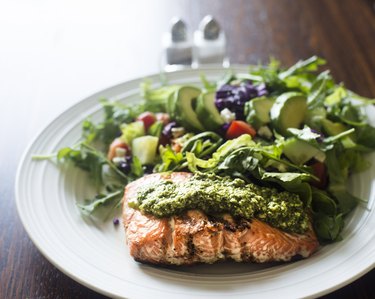
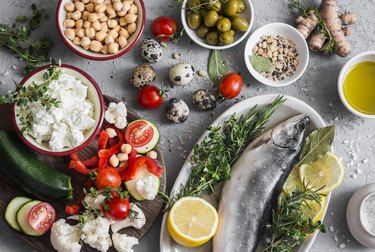
The largely plant-based diet emphasizes foods like vegetables, fruits, nuts, seeds, legumes along with extra-virgin olive oil and lean proteins.
Research has shown that it has a positive effect on heart and brain health, can help fight inflammation and may help you lose weight. But it lacks clear guidelines on portion sizes and can be high in carbohydrates, which means it may not be the best option for everyone.
The food eaten on the Mediterranean diet is simple in ingredients and preparation, but full of flavor. The United Nations Educational, Scientific, and Cultural Organization explains the diet as one that encompasses the original Greek meaning of the word "diet," meaning "way of life."
As a lifestyle, the diet encourages meals to be made at home with fresh and whole-food ingredients.
It also focuses on the social aspect of the meal and the importance of enjoying your food, and it encourages smaller portion sizes than what many people may be accustomed to.
Benefits of the Mediterranean Diet
Now that you know what the Mediterranean diet is, you may be wondering why it's so lauded. Well, the eating style boasts a number of research-backed health perks that are linked to living a longer life, which is why experts often recommend it as one of the best diets for longevity.
Here are those Mediterranean diet benefits:
1. You Might Lose Some Weight
The Mediterranean diet wasn't conceived as a weight-loss diet, but shedding pounds may be a positive side effect of the eating style for those who have overweight.
In a March 2019 review in Nutrients, researchers linked the diet to weight loss, lower body mass index and lower waist circumference — albeit at a slower (but still healthy) pace compared to other diets that are focused on weight loss.
2. Your Brain Will Probably Thank You
If you have type 2 diabetes, you'll want to hear this: According to an August 2019 study in Diabetes Care, which followed nearly 1,500 people for two years, those who followed the Mediterranean diet and managed their type 2 diabetes had better cognitive function than those who followed different diet plans.
But the researchers also went a step further, concluding that nutritious eating plans like the Mediterranean diet can help improve memory function among adults without diabetes.
An April 2020 study in Alzheimer's and Dementia looked at 8,000 participants with and without age-related macular degeneration and observed that sticking with the Mediterranean diet is associated with a lower risk of cognitive impairment.
On the other hand, cognitive function results weren't as significant: These potential effects were observed at the population level, so individuals likely won't notice a difference in cognitive function.
Indeed, in a February 2020, five-country study in the BMJ journal Gut, researchers concluded that eating a Mediterranean diet may help curb the advance of cognitive decline and frailty in older adults.
The study found that the diet promotes healthy aging by promoting "good" gut bacteria and reducing inflammation — which brings us to the next benefit.
3. It May Tamp Down Inflammation
Inflammation is part of your body's natural reaction to illness or injury. It typically causes symptoms like redness and swelling, and in acute doses, it helps the body heal and repair itself, per the Cleveland Clinic.
But persistent, low-grade inflammation can be dangerous. It can be caused by a host of factors, from stress to inactivity, and it can up your risk for serious conditions like heart disease, diabetes and cancer.
But research supports the idea that eating nutritious foods may help reduce chronic inflammation. And indeed, the Mediterranean diet is loaded with anti-inflammatory foods, according to Harvard Health Publishing, including antioxidant-rich fruits and vegetables (think tomatoes and leafy greens), as well as olive oil, nuts and fish.
4. You May Reap Heart-Healthy Benefits
Because the Mediterranean diet is in line with the American Heart Association's (AHA) Diet and Lifestyle Recommendations, it's no surprise that the eating plan promotes heart health.
According to the AHA, the prevalence of heart disease is lower in Mediterranean countries than in the U.S.
One likely reason: A large percentage of fat in the Mediterranean diet is monounsaturated, from olive oil, which does not raise cholesterol levels the way saturated and trans fats do. (Another possible reason, or at least contributor, may be differences in physical activity.)
Indeed, an April 2020 study in the Journal of the American College of Cardiology found that consuming just a half-tablespoon of olive oil a day (instead of animal-based fats like butter) is linked to a significantly lower risk for cardiovascular disease.
This was the first study to evaluate the connection in Americans and included more than 90,000 people over a 24-year period.
Also in April 2020, The BMJ released a meta-analysis that reviewed 121 randomized trials and found that the Med diet helped improve cardiovascular risk factors like high blood pressure and cholesterol, and it was the only diet that continued to improve these factors after a year.
What's more, supplementing with omega-3s or eating more fatty fish — a key part of the Med diet — is associated with lower triglycerides and larger HDL cholesterol particles, which are better at removing unhealthy cholesterol and potentially preventing plaque buildup and heart disease, according to a February 2020 study of 26,034 healthy people assigned female at birth in JAHA.
5. The Foods Are Budget-Friendly
Just because the Mediterranean diet sounds fancy doesn't mean the food is extravagant. On the contrary, the diet is rooted in the food traditionally eaten by the less affluent.
Inexpensive vegetables, such as onions, carrots, tomatoes and cucumbers, are used widely in Mediterranean cuisine. Beans, legumes, pasta and cheese are also relatively inexpensive and widely available at most grocery stores.
The only item you may need to spring for? Extra-virgin olive oil, which can be pricier than butter or vegetable oils.
6. It's Easier to Stick With Than Some Other Diets
The Mediterranean diet seems to be more sustainable than some others, including paleo and intermittent fasting, according to a December 2019 study in The American Journal of Clinical Nutrition.
The study allowed 250 people to self-select which of the three diets they wanted to follow, then monitored their progress over a year without the help of a dietitian.
Overall, the results showed that people found the Med diet to be the easiest to adhere to, and more people were still following the diet after a year. Plus, the people who stuck with it in the long run lost the most weight.
Potential Cons of the Mediterranean Diet
On the other hand, there are some cons of the Mediterranean diet to be aware of, including:
1. The 'Rules' Are Somewhat Vague
One of the Mediterranean diet's disadvantages is that there's no one set rulebook for the eating style. As a result, there's no exact number when it comes to servings per day of the foods included, which may be confusing for some people.
For example, the diet uses words such as "low to moderate intake," "abundance" and "often," which are fairly open to interpretation.
Calorie totals and physical activity parameters are also not explicitly laid out, so those who are looking for specific parameters may not be happy with this diet.
2. You Still Need to Talk to Your Doctor
Even though research suggests this eating plan is safe for most people, there are a few considerations to keep in mind if you have a health condition that's influenced by your diet.
- The Mediterranean diet can be high in carbohydrates, so those with uncontrolled diabetes should be cautious about making a drastic switch.
- The diet encourages a daily glass of wine, which may not be advisable for people taking certain medications.
- People taking blood thinners should be especially careful when making diet changes. Certain blood thinners are very sensitive to vitamin K levels in the diet, and those levels can vary dramatically based on plant intake. These folks may need more frequent blood monitoring on the Med diet, at least in the short term.
Tip
If you have any medical conditions that depend on your diet, you need to speak with your doctor before starting any new eating plan.
What to Eat on the Mediterranean Diet
Wondering what to eat on the Mediterranean diet? Here are the foods to work into your repertoire to reap the benefits of the eating plan:
Eat mostly:
- Fruits, such as berries, figs, pomegranates and grapes
- Vegetables, such as leafy greens, carrots and onions
- Nuts and seeds
- Extra-virgin olive oil
- Beans and lentils
Eat in moderation:
- Cheese and dairy
- Wine
- Lean proteins, such as chicken, fish and eggs
Limit:
- Sweets
- Red meat
- Processed food
Ready to Adopt a Mediterranean Diet?
Here's your 4-week Med diet meal plan, curated by a dietitian-chef.
Sample Mediterranean Meal Plan
If this eating style sounds like it's for you, here's how to start Mediterranean diet with a one-day meal plan of recipes, including snacks:
Breakfast
- Mediterranean Morning Scramble
- Side of your favorite fruit, like berries or grapes
Snack
Lunch
Snack
Dinner
- Nutrients: "Mediterranean Diet and Cardiodiabesity: A Systematic Review through Evidence-Based Answers to Key Clinical Questions"
- Harvard Health Publishing: "Foods That Fight Inflammation"
- Diabetes Care: "The Mediterranean Diet and 2-Year Change in Cognitive Function by Status of Type 2 Diabetes and Glycemic Control"
- United Nations Educational, Scientific, and Cultural Organization: "The Mediterranean Diet"
- American Heart Association: "Mediterranean Diet"
- Mayo Clinic: "Mediterranean diet: A heart-healthy eating plan"
- Dietary Guidelines for Americans: "Appendix 4. USDA Food Patterns: Healthy Mediterranean-Style Eating Pattern"
- U.S. News: "Best Diets 2020"
- The American Journal of Clinical Nutrition: "Intermittent fasting, Paleolithic, or Mediterranean diets in the real world: exploratory secondary analyses of a weight-loss trial that included choice of diet and exercise"
- Gut: "Mediterranean diet intervention alters the gut microbiome in older people reducing frailty and improving health status: the NU-AGE 1-year dietary intervention across five European countries"
- The BMJ: "Comparison of dietary macronutrient patterns of 14 popular named dietary programmes for weight and cardiovascular risk factor reduction in adults: systematic review and network meta-analysis of randomised trials"
- Alzheimer’s and Dementia: "Adherence to a Mediterranean diet and cognitive function in the Age‐Related Eye Disease Studies 1 & 2"
- Journal of the American College of Cardiology: "Olive Oil Consumption and Cardiovascular Risk in U.S. Adults"
- JAHA: "Habitual Fish Consumption, n‐3 Fatty Acids, and Nuclear Magnetic Resonance Lipoprotein Subfractions in Women"
- Cleveland Clinic: "Inflammation"